A planting plan can look excellent on paper, but its success is decided beneath the surface. When a new hedge struggles, lawn areas thin out or feature plants fail to establish, the cause is often rushed ground preparation rather than the plant itself. Preparing soil for planting gives roots the air, moisture, nutrition and room they need to grow well from the first season.
For Waikato properties, that preparation deserves particular attention. Heavy clay, wet winter conditions, compacted building sites and variable drainage can all affect how a garden performs. A well-prepared bed or planting area is not simply turned over and covered with compost. It is assessed, improved and finished for the plants it is intended to support.
Start With the Site, Not the Plants
Before soil is moved, look closely at the conditions already present. A sunny bed beside a house, an exposed rural boundary and a damp area beneath established trees may all sit within the same property, yet require very different preparation and planting choices.
Observe where water collects after rain, how long the ground remains wet, and whether there are signs of compaction. Bare patches in lawns, puddling, moss, stunted plants and hard ground that is difficult to dig are useful indicators. On lifestyle blocks and recently developed sites, machinery and construction traffic commonly leave soil compressed well below the surface. Adding a thin layer of topsoil on top may improve appearance temporarily, but it does not solve the restriction beneath it.
The intended use matters too. A formal garden border, a productive orchard, a screen planting and a new lawn each place different demands on the soil. Trees and hedges need a generous, well-drained rooting zone. Lawn areas need an even, stable base that can be maintained without becoming waterlogged. Vegetable beds benefit from fertile, workable soil, but they should still drain freely after persistent rain.
Test Before You Amend
Soil testing is one of the most practical steps in preparing soil for planting, particularly on larger properties or where previous planting has performed poorly. A basic test can identify pH and major nutrient levels, helping avoid amendments that are unnecessary or counterproductive.
Most ornamental plants perform well in slightly acidic to neutral soil, although individual species vary. Waikato soils can naturally lean acidic, and lime is often used to lift pH. However, lime should not be applied automatically. Too much can reduce the availability of important nutrients and create a different set of problems. Likewise, high-phosphorus fertilisers are not appropriate for every planting area, especially where native planting is planned.
Take samples from several points across a proposed bed or lawn area rather than relying on one spadeful from the edge. If the property includes visibly different soil types, test them separately. The result gives a sound basis for decisions about lime, fertiliser, organic matter and plant selection.
Clear Weeds and Construction Debris Properly
Perennial weeds compete aggressively with new plants while their roots are still developing. Couch, kikuyu, convolvulus and bulbous weeds can quickly reappear if they are merely chopped into the soil during cultivation. Remove established weeds thoroughly before bringing in compost, mulch or plants.
This stage is also the right time to remove buried rubble, excess gravel, timber offcuts and compacted fill left from building work. These materials interfere with drainage and root development, particularly in narrow planting strips around new homes and commercial premises. Where subsoil is heavily compacted or poor quality, it may need deeper cultivation, soil replacement or reshaping rather than a cosmetic top-dress.
Avoid working ground when it is saturated. Clay soil handled while wet can smear into dense clods and lose its natural structure. Waiting for the soil to become moist but workable usually produces a better result and reduces unnecessary damage.
Improve Structure Before Adding Fertiliser
Good soil has a balance of mineral particles, organic matter, water and air. Plant roots need all four. In heavy soils, the priority is often improving structure and drainage so water can move through the profile without roots sitting in wet ground. In sandy soils, the focus is more likely to be moisture retention and building nutrient-holding capacity.
Quality compost and well-rotted organic material can improve both situations when incorporated appropriately into the upper soil layer. It supports soil biology, helps create stable crumb structure and gives young roots a more hospitable environment. The material must be mature, however. Fresh manure or uncomposted green waste can burn roots, introduce weed seed or tie up nitrogen as it breaks down.
There is a limit to how much amendment is helpful. Creating a highly enriched pocket around a tree can discourage roots from spreading into the surrounding soil. For trees, hedging and larger shrubs, it is generally better to improve a broad planting zone and ensure the transition to existing soil is gradual. This supports a more resilient root system once the plant is established.
In poorly drained locations, compost alone will not fix a drainage issue. The answer may be regrading, a swale, subsoil drainage, raised planting areas or a revised plant palette that suits the conditions. These decisions are best made before paths, edging and planting are installed, not after water is already pooling around expensive new work.
Handling Clay Soils on Waikato Properties
Clay is not poor soil by default. It can hold valuable nutrients and moisture, which is useful during dry periods. Its challenge is drainage and compaction. Deep cultivation when conditions are right, organic matter through the planting zone, and careful surface grading can make a meaningful difference.
Avoid adding sand to clay in small quantities. Without the right proportion and thorough blending, the result can become harder and more cement-like rather than freer draining. Raised beds or mounded planting zones are often a more dependable solution for plants that demand excellent drainage.
Shape the Ground for Water Management
Finished soil levels should direct water away from buildings, paved areas and planting beds that cannot tolerate wet feet. Even a subtle fall can prevent persistent puddles and protect garden edges from washout during heavy rain.
For new lawns, remove hollows before sowing or laying turf. A level, firm surface makes mowing easier, improves presentation and reduces areas where water settles. Soil should be consolidated enough to prevent later sinking, but not compacted so firmly that roots cannot penetrate. This balance is why lawn preparation is often more exacting than it first appears.
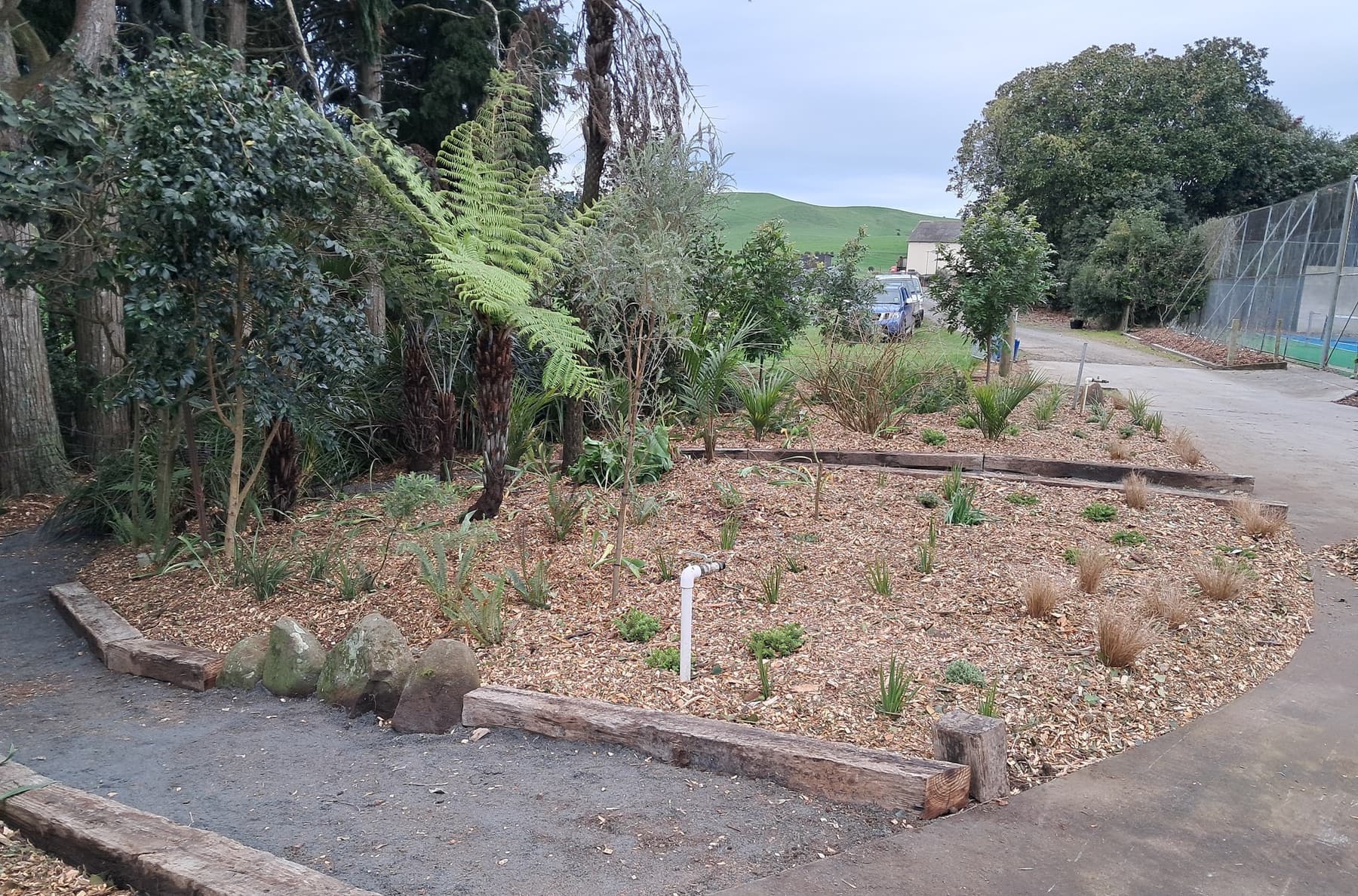
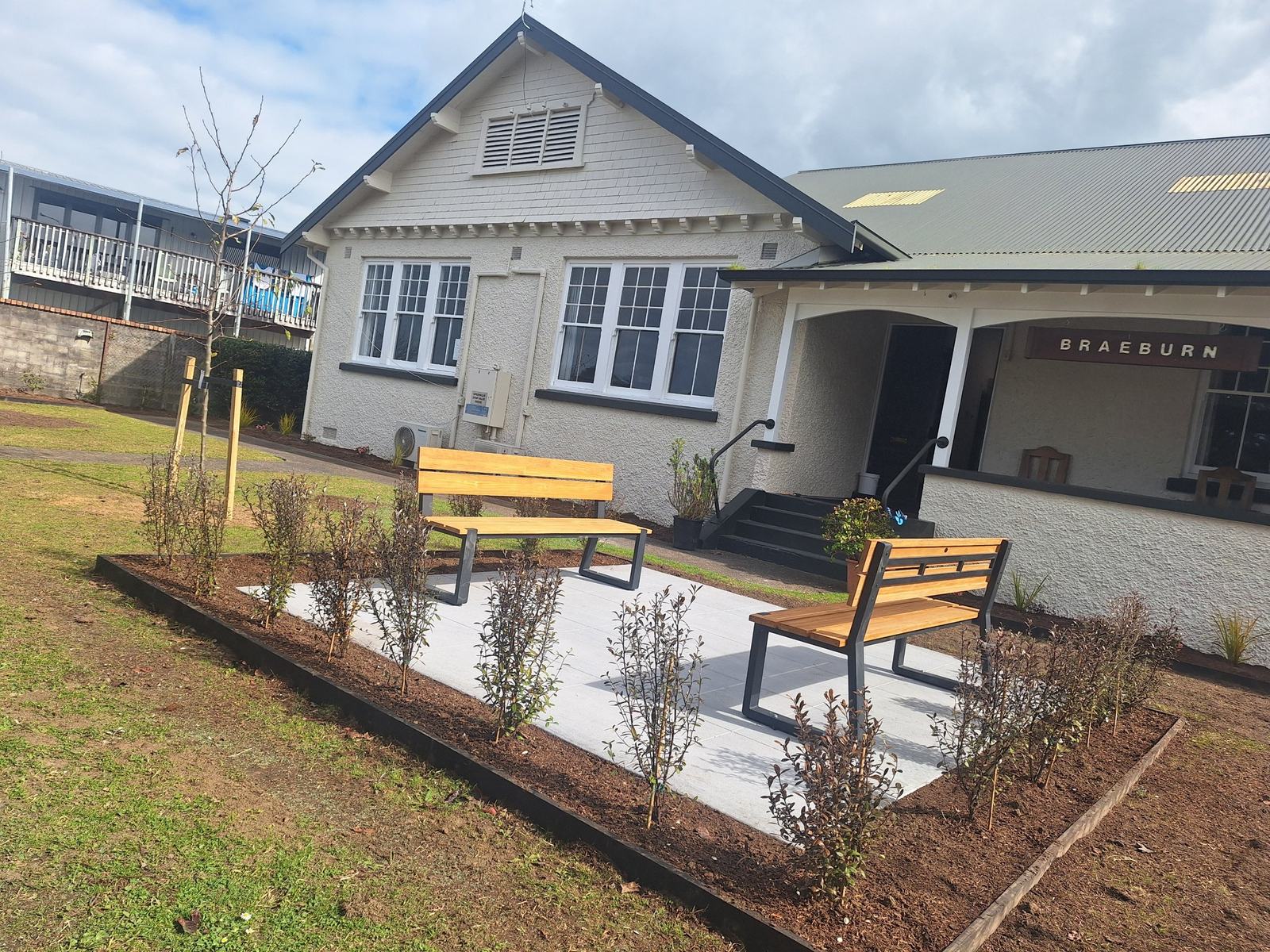
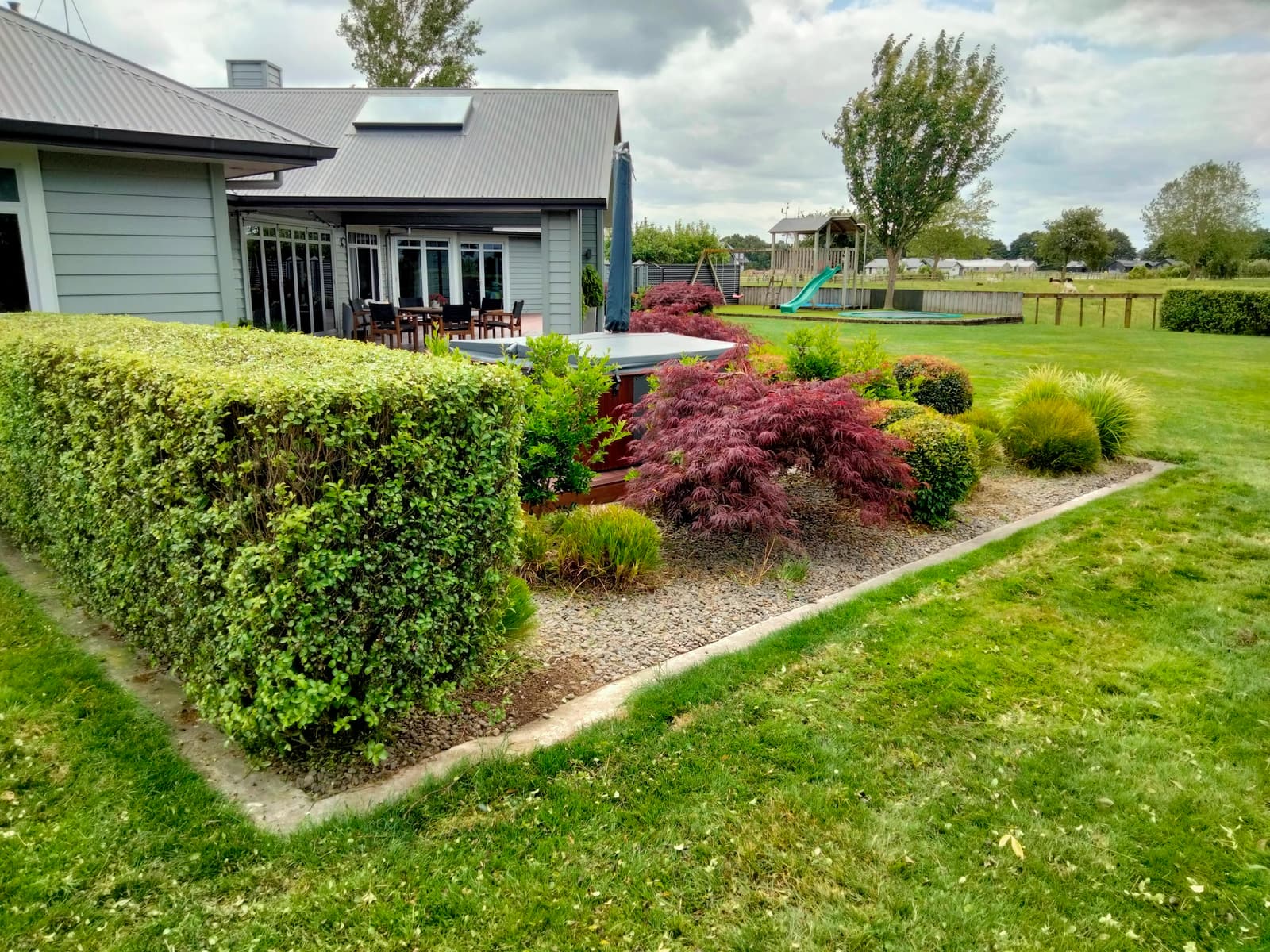
Garden beds benefit from a defined edge and a finished level slightly below adjacent paving or lawn. This keeps mulch where it belongs and makes ongoing maintenance cleaner. On rural and lifestyle properties, consider how machinery, mowing routes and irrigation access will work once the planting is established. A beautiful bed that is difficult to maintain rarely stays that way.
Plant Into a Prepared, Not Perfect, Bed
Once the soil is prepared, avoid overworking it again immediately before planting. Dig holes wide enough for roots to spread naturally, but no deeper than the root ball. A plant set too low can sit wet around its crown, while one planted too high may dry out quickly.
Backfill with the site soil, gently firm it and water deeply to settle soil around the roots. A slow, thorough soak is more useful than frequent light watering because it encourages roots to move down through the profile. Apply a layer of organic mulch after planting, keeping it clear of trunks and stems to reduce the risk of rot.
Mulch moderates soil temperature, conserves moisture and suppresses many annual weeds. It is not a replacement for weed control or watering, but it greatly improves establishment conditions. Replenish it as it breaks down, especially in exposed beds and around young trees.
Build Soil Care Into Ongoing Garden Maintenance
Soil preparation is a foundation, not a one-off promise that the garden will look after itself. Seasonal mulching, sensible fertilising, weed control and correct irrigation all protect the investment made at installation. Lawns also benefit from aeration, appropriate feeding and attention to drainage before minor problems become major repairs.
For established grounds, the best improvements are often measured rather than dramatic. Introducing organic matter gradually, relieving compacted areas and adjusting maintenance practices can restore performance without disturbing mature planting. This is particularly valuable for commercial properties, orchards and larger residential gardens where continuity of presentation matters.
Kerepark Lawns & Gardens approaches preparation as part of the whole landscape outcome - considering how an area will be designed, built and maintained over the years ahead. The right work below ground gives every plant, lawn and garden feature a stronger chance to earn its place in the property.
A well-prepared planting area should become easier to care for with time: plants establish evenly, water is used wisely, weeds are less competitive and the garden develops the settled quality that makes a property feel genuinely looked after.