A new garden should do more than look tidy on completion day. It needs to suit the way you live, cope with Waikato weather and continue to perform as plants establish, seasons change and the property evolves. Well-planned garden construction Waikato property owners can depend on brings those details together from the start – creating outdoor areas with genuine function, lasting structure and a finish that feels right for the home.
For a rural property, that might mean shaping large grounds into manageable garden rooms, practical paths and shelter planting. In town, it may be a more defined entrance, a usable entertaining area or a planting scheme that softens a new build. Commercial sites need clear access, professional presentation and landscaping that can be maintained efficiently. The right approach is never a one-size-fits-all package.
What quality garden construction involves
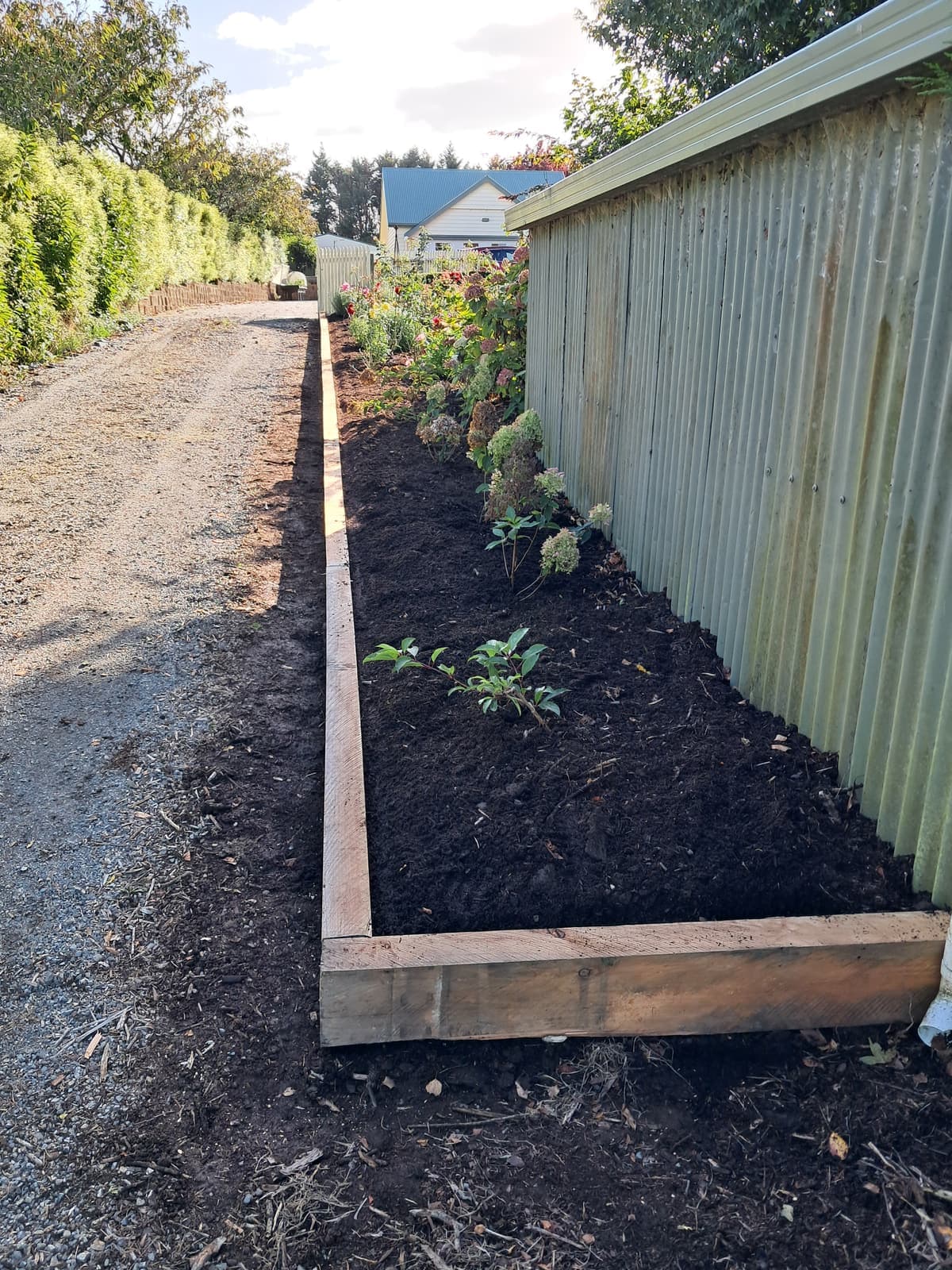
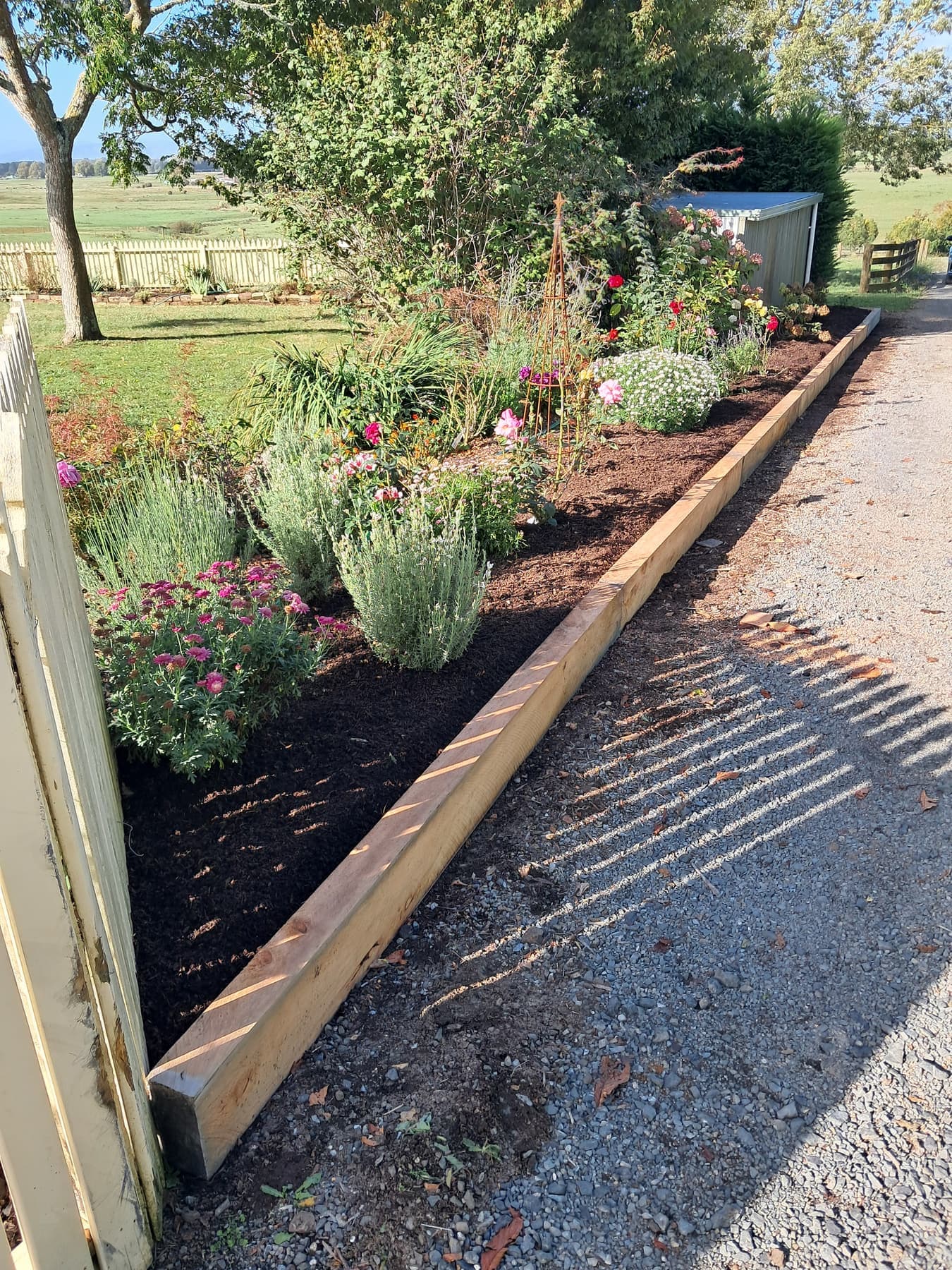
Garden construction is the practical work that turns a landscape plan, or a clear idea for your outdoor space, into a finished environment. It can include earthworks and site preparation, retaining, paving, garden edging, lawn preparation, planting, irrigation considerations and the construction of outdoor features.
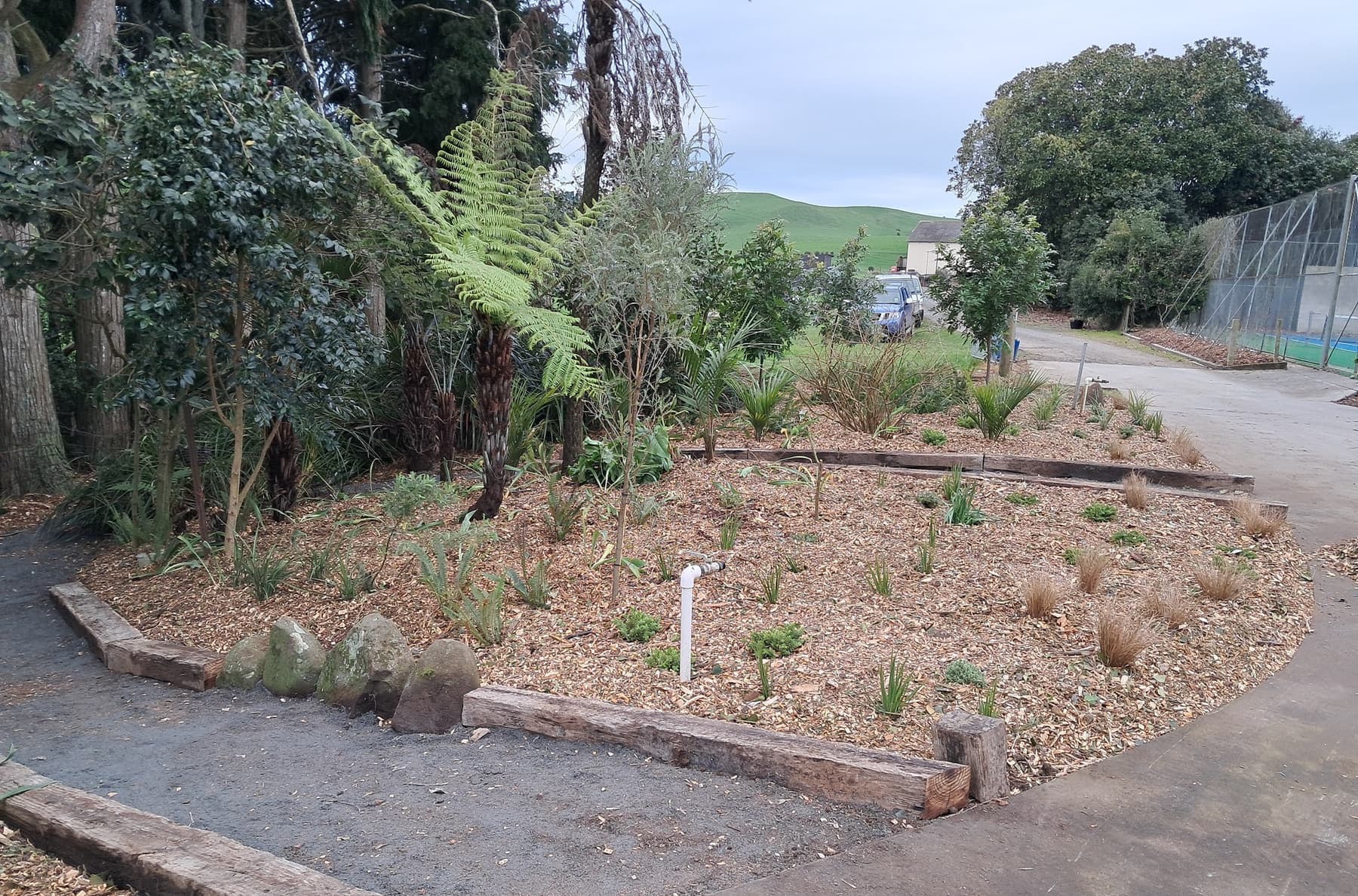
The visible finishes matter, but much of the value sits underneath them. A path needs a stable base and suitable falls. A retaining wall must be designed for the ground it is holding back. Planting beds require appropriate soil preparation, drainage and enough space for plants to mature naturally. When these fundamentals are overlooked, even an attractive new garden can become expensive to correct.
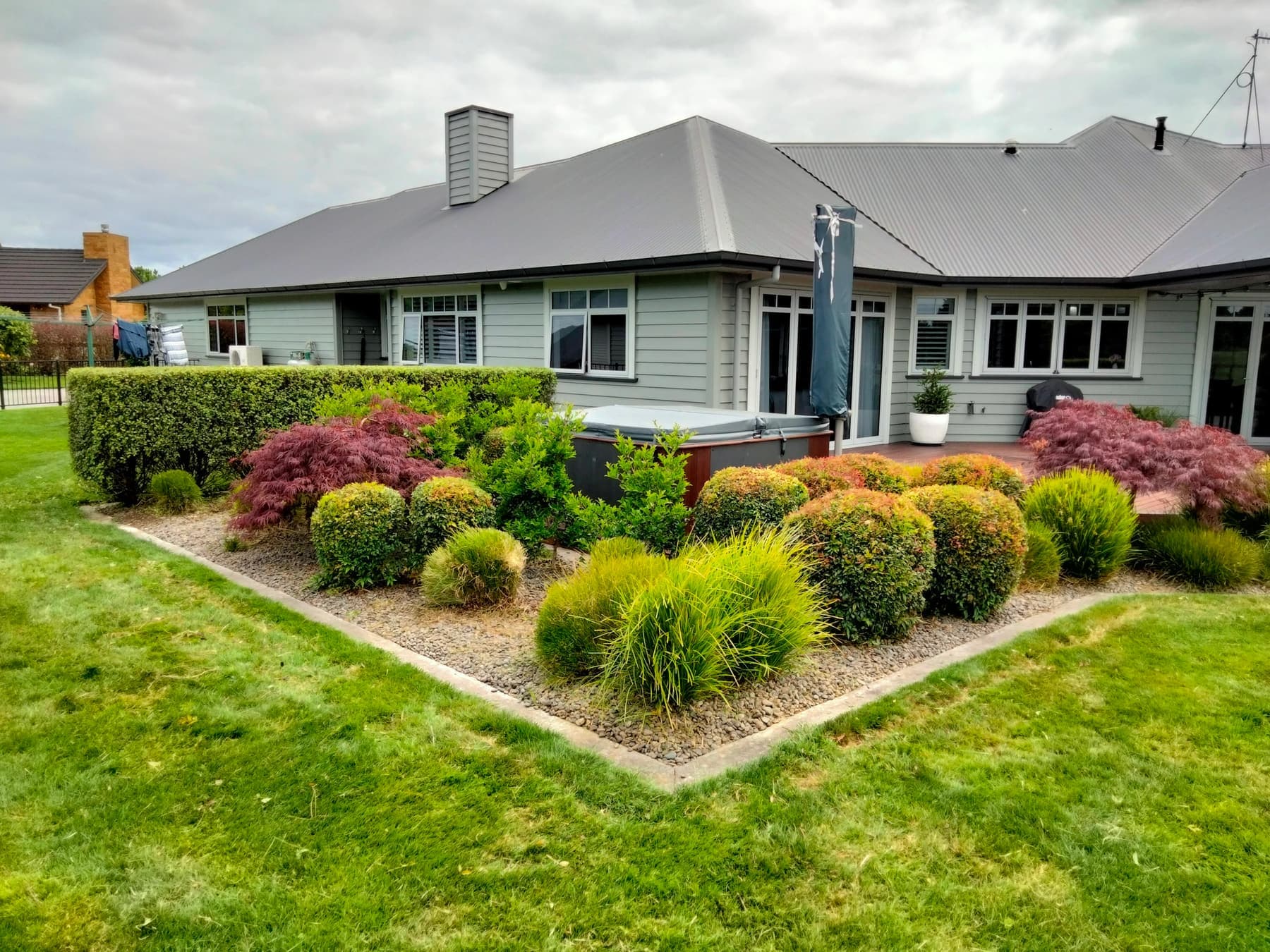
Quality construction also considers the relationship between each element. The driveway, lawn, paths, decks, borders, specimen trees and service areas should work together rather than compete for space. This is especially important on lifestyle blocks and established properties, where the challenge is often to improve the grounds without losing their character.
Garden construction in Waikato starts with the site
Waikato properties can present very different conditions within a short distance. Heavy soils, wet patches, sloping sections, exposed boundaries and established trees all influence what can be built and where. Drainage deserves particular attention. Water that is not directed appropriately can affect lawns, paving, retaining structures and planting health.
Before construction begins, it is worth considering how the site behaves through a wet winter as well as during a dry summer. Low-lying areas may need a different planting approach, while high-traffic areas benefit from more durable surfaces and defined access. On rural and lifestyle properties, vehicle movement, gates, orchard areas, stock boundaries and service access may also need to be factored into the layout.
A capable landscaping team does not treat these as afterthoughts. They assess levels, access, existing vegetation, soil conditions and the practical demands of the property before recommending a construction approach. This helps prevent unnecessary rework and gives clients clearer expectations around scope, timing and investment.
Drainage and ground preparation are not optional extras
A beautifully laid paved area will only remain level if the ground beneath it has been prepared correctly. Likewise, garden beds will struggle if compacted soil and poor drainage are left untouched. Preparation can include excavation, basecourse, grading, drainage measures, topsoil improvement and careful compaction, depending on the project.
This work is rarely the most glamorous part of a garden transformation, yet it is where durability is won or lost. Investing properly in the foundations protects the finishes you see every day.
Designing for use, not just appearance
The best outdoor spaces make everyday life easier. A front garden should create a welcoming arrival without becoming difficult to maintain. A rear garden should provide room to relax, entertain or spend time with family, while still allowing practical access for bins, clotheslines, tools and garden care.
For busy homeowners, low-maintenance does not have to mean bare. It means choosing materials and planting that are suited to the site, arranging beds so they can be accessed safely, and avoiding details that demand constant repair or intensive trimming. For retired homeowners, easy access, comfortable paths and manageable planting can make a garden more enjoyable for longer.
On larger properties, construction can establish a sensible framework that simplifies ongoing care. Clear edges between lawn and gardens, generous pathways, mulched planting zones and accessible hedges all help maintain a consistently well-kept result. This is where a design-build-maintain model offers a practical advantage: the people planning the work understand what will be required to look after it once the project is complete.
Materials should suit the property and the workload
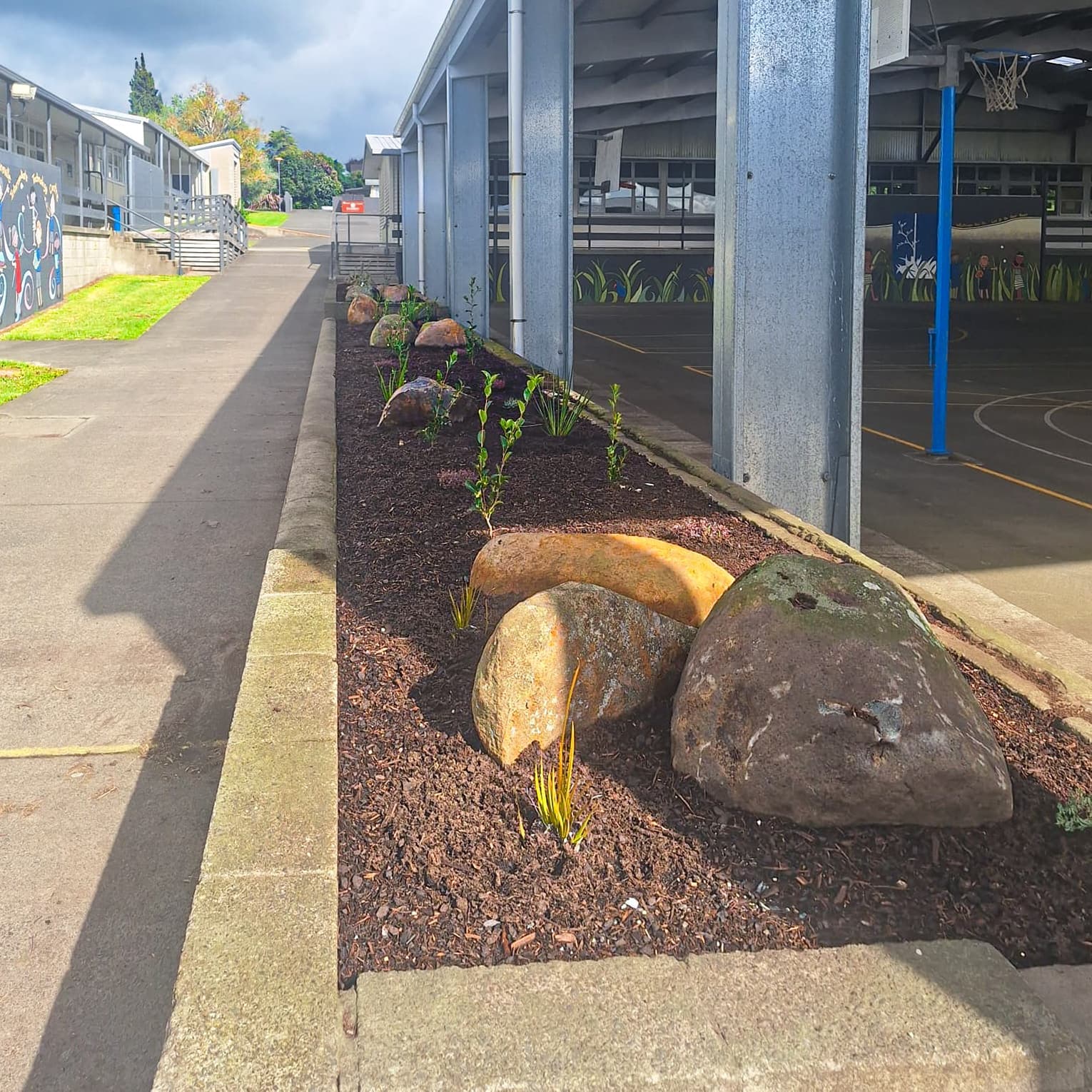
There is no single best material for every Waikato garden. Timber can provide warmth and suit a relaxed rural setting, but it requires ongoing care. Concrete and masonry products offer strength and clean lines, though the chosen finish must sit comfortably with the home and surrounding landscape. Natural stone can bring texture and permanence, while gravel may be appropriate for informal paths and larger country settings where drainage is a priority.
The decision should balance appearance, performance, budget and maintenance. A premium finish is not simply the most expensive option. It is a material selected and installed for its purpose, with details such as edging, drainage, transitions and access properly resolved.
Plant selection requires the same judgement. A planting plan should account for mature size, sunlight, wind exposure, soil moisture and the time available for maintenance. Fast-growing plants can provide quick cover, but they may need more frequent pruning. Slower-growing structure plants may take patience, yet often provide a more manageable long-term framework.
A coordinated construction process protects your investment
Outdoor construction involves multiple moving parts. Materials need to arrive when access is available. Existing services may need to be identified. Weather can influence earthworks, concrete work and planting. If design decisions are left until the middle of construction, delays and compromises can follow.
A well-managed process begins with a conversation about your property, priorities and intended budget. From there, the scope can be defined around the elements that will make the greatest difference. Some projects are best completed as a full transformation; others benefit from staged construction, such as establishing drainage and hard landscaping first, then completing planting and feature areas later.
Clear communication matters throughout. You should know what work is planned, how the team will access the site, what disruption to expect and how the completed areas should be cared for. Respect for the property is part of professional workmanship, particularly where construction is taking place around an occupied home, established gardens or a working commercial site.
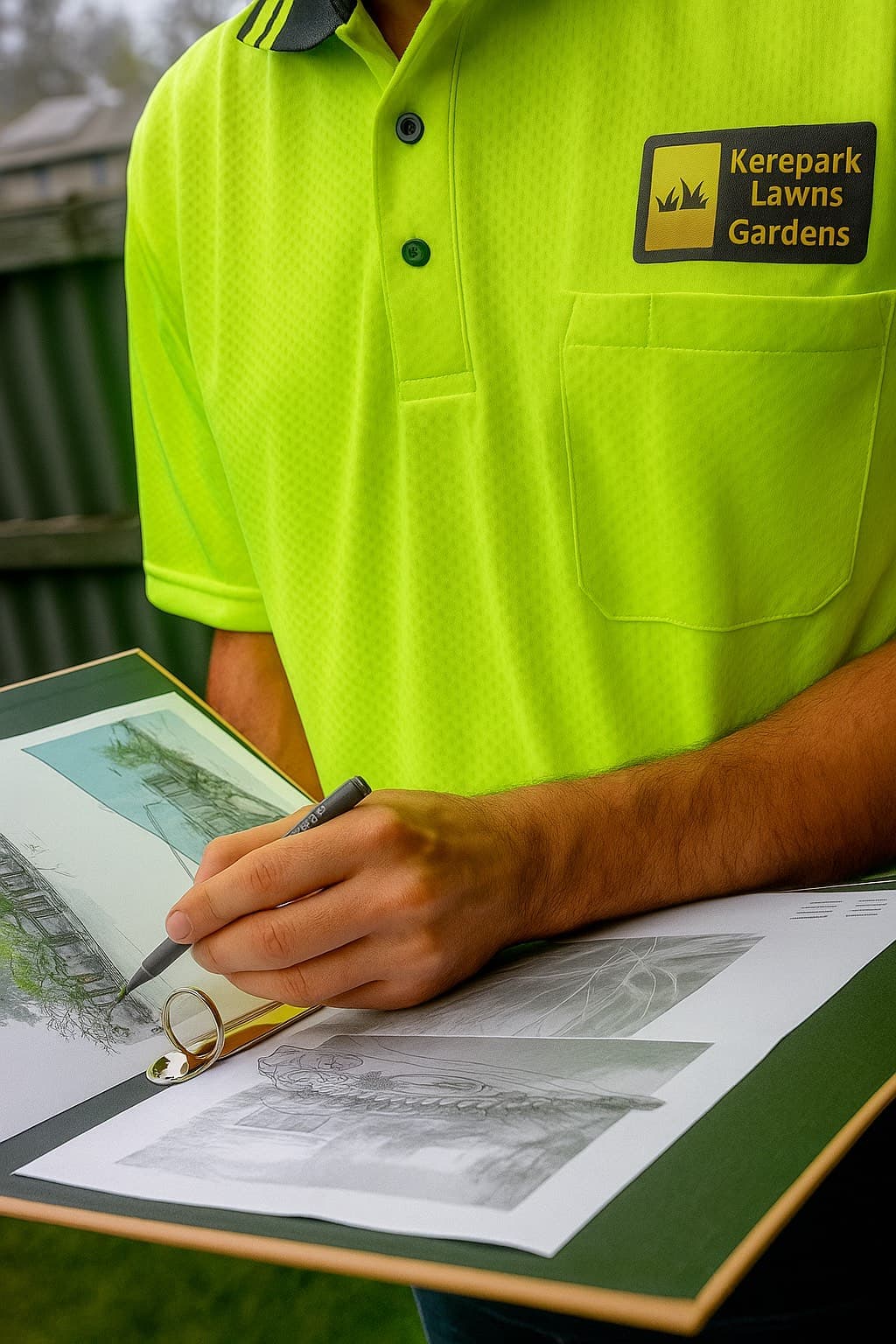
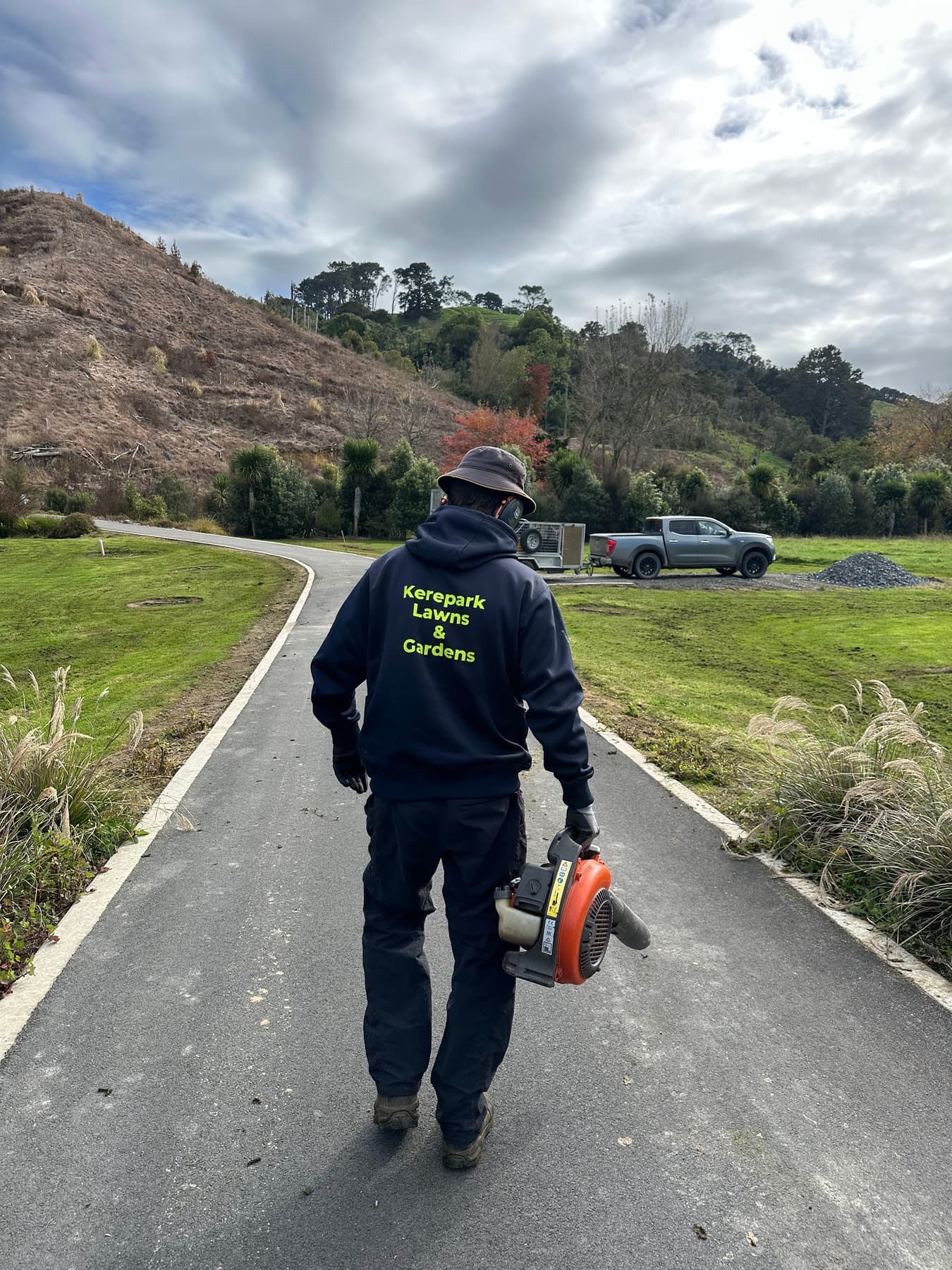
Kerepark Lawns & Gardens approaches projects with this whole-property view, combining considered landscape construction with the option of continued garden, lawn and tree care once the work is complete.
Planning for maintenance from day one
Every new landscape needs establishment care. Plants require watering, mulch may need topping up, lawns need appropriate mowing, and newly constructed features should be checked as the ground settles. This early attention helps protect the investment and gives the garden the best chance to mature as intended.
Long-term maintenance should also influence the original build. Dense planting can be attractive, but only when there is room to prune and weed. Formal hedging creates strong structure, though it needs a regular trimming programme. Fruit trees add real value to lifestyle properties, but they benefit from skilled seasonal pruning to remain productive and safe.
For commercial grounds, reliability is central. Regular mowing, garden care and hedge maintenance help maintain a professional appearance for customers, tenants and staff. A planned programme is generally more efficient than waiting until the grounds have become overgrown, particularly across large sites.
When to start your project
The right construction window depends on the work involved. Earthworks and paving are often best scheduled when ground conditions allow reliable access, while planting is commonly timed to give plants a favourable start. However, the planning conversation can happen at any time of year. Early planning provides more opportunity to refine the layout, select materials and coordinate the work around your own schedule.
If your grounds feel unfinished, difficult to manage or no longer suited to how you use the property, begin with the practical questions: where does water go, how do people move through the space, what needs regular attention, and what would make the property more enjoyable every week? A carefully built garden answers those questions for years, not just for the first season.