A landscape maintenance package review starts with the property
A landscape maintenance package review should never begin with a price list alone. A small town garden, a Tamahere lifestyle block, a commercial frontage in Morrinsville and a mature rural property near Matamata may all need regular care, but the work, equipment, timing and level of horticultural knowledge required are very different.
The right package protects the investment already made in your grounds. It keeps lawns presentable, planting healthy, hedges controlled and outdoor areas safe to use, while addressing seasonal jobs before they become expensive corrections. The wrong package may look economical on paper yet leave important work outside the scope, creating uneven results and repeated call-out costs.
For property owners who value reliable standards, the useful question is not simply, “How often will someone mow?” It is, “What will this team actively manage, and what condition should I expect my property to be in over time?”
What a quality maintenance package should cover
A well-built package has a clear baseline of recurring work and enough flexibility to respond to the changing needs of the site. Lawn mowing may be central, but it is only one part of maintaining a polished outdoor environment. Edges, weed control, garden presentation, green-waste handling and access areas all influence how cared-for a property appears.
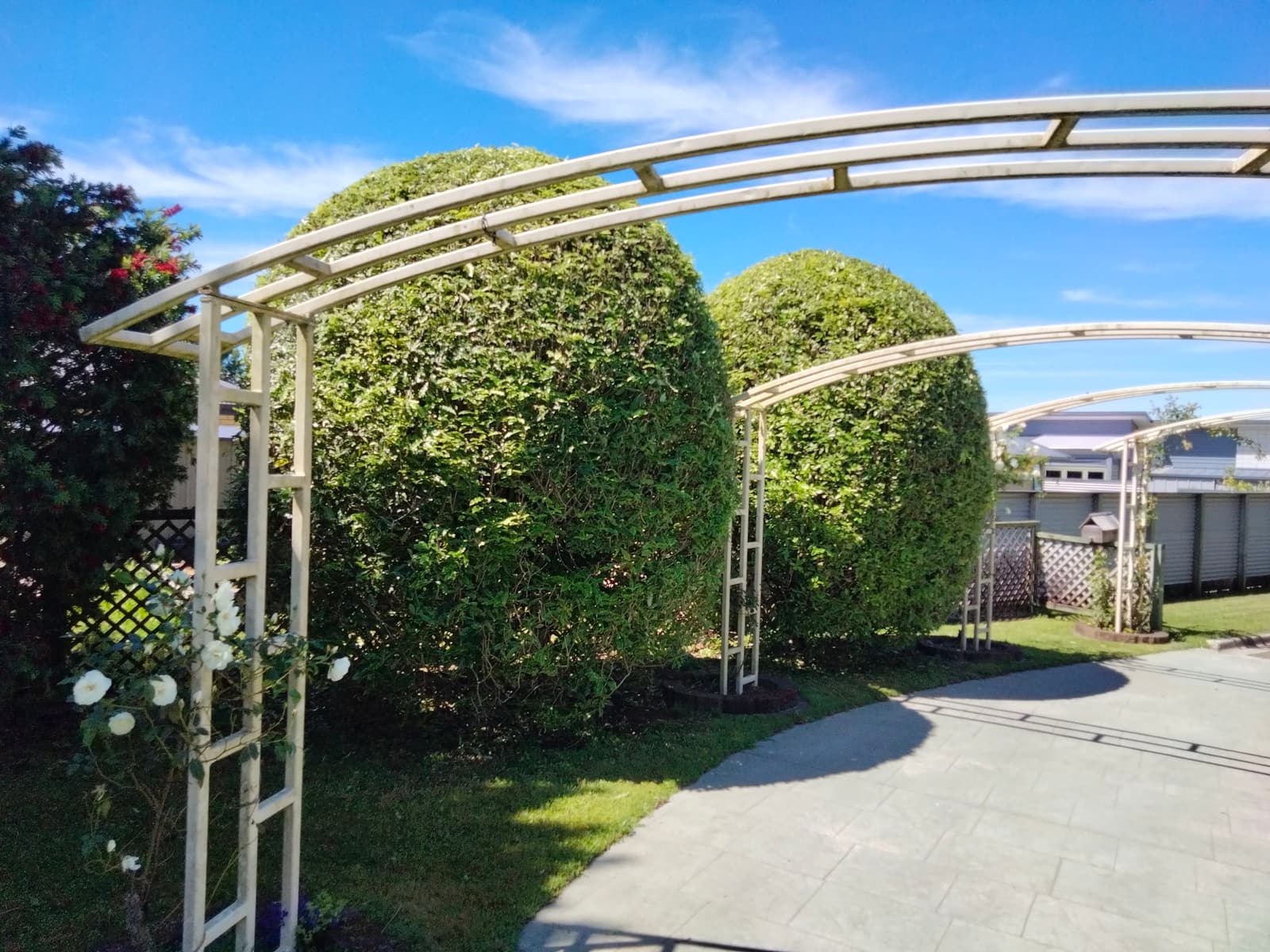
For residential gardens, regular visits often include lawn mowing, line trimming, edging, weeding, pruning of small shrubs, tidying paths and patios, and monitoring plant health. Larger gardens may also need mulching, fertilising, irrigation checks, seasonal planting and the careful shaping of established hedges.
Lifestyle and rural properties require another level of planning. Long driveways, extensive lawns, shelter belts, fruit trees, boundary hedges and orchards cannot be treated as an oversized suburban section. Access, weather, ground conditions and the safe use of machinery all matter. A capable provider will identify the areas that need a frequent presentation standard and those that can be managed on a less intensive seasonal programme.
Commercial maintenance must be equally deliberate. Entrances, signage areas, staff accessways and customer-facing lawns need consistent attention because they are part of the first impression of the business. The package should also consider site safety, timing around operations, tidy work practices and straightforward communication with the person responsible for the property.
A good scope describes these expectations in plain language. If hedge trimming, green-waste removal or weed treatment is not included, it should be stated clearly rather than assumed.
The difference between routine work and seasonal work
Many disappointments arise when routine and seasonal tasks are bundled together without a realistic allowance for time. Mowing may occur weekly or fortnightly through the main growing season, while pruning, fertilising, mulch application and fruit-tree work are scheduled at particular times of year.
Seasonal work deserves its own plan. Waikato gardens can grow quickly through warm, wet periods, while autumn leaf fall, winter pruning and spring growth each bring a different workload. A maintenance provider should adjust priorities rather than applying the same visit checklist all year.
This does not mean every task must occur on every visit. In fact, trying to do so can produce rushed work. It means the programme has enough structure to maintain day-to-day presentation and enough foresight to care for plants, lawns and trees when they need it most.
How often should maintenance visits be scheduled?
Visit frequency depends on the property, the desired finish and the season. Weekly servicing suits many high-visibility commercial sites and formal residential gardens during active growth. Fortnightly visits can work well for established homes where lawns, garden beds and hedges are kept under regular control. Monthly programmes are often appropriate for lower-maintenance gardens, provided mowing or other specialist work is addressed separately when required.
Be cautious of a package that locks the same frequency in for every month without considering growth patterns. Lawns can become untidy quickly in spring, and hedges can lose their shape if their trim is delayed too long. Conversely, a garden may need fewer routine hours in winter, with those hours better directed toward pruning, planting preparation or drainage observations.
The most dependable arrangements set an agreed frequency, then allow for sensible adjustments. This is particularly valuable on larger properties, where weather can affect mowing schedules and soft ground may limit machinery access. Clear communication matters here. You should know if a visit has been moved, what work was completed and whether a developing issue needs approval.
Reviewing value, not just the quoted rate
A low hourly rate does not automatically represent good value. It can be a false economy if the provider lacks suitable equipment, rushes the work, leaves clippings and green waste behind, or repeatedly needs direction from the owner. Equally, the highest price is not necessarily the best fit if the scope includes work your property does not need.
Review value through the outcomes the package is designed to provide. Are lawns cut cleanly and edged properly? Are garden beds progressively improved rather than merely cleared? Are hedges trimmed with an understanding of their growth habit? Is the site left tidy, with paths and hard surfaces respected? Does the team notice irrigation faults, pest damage, tree-health concerns or declining plants before they become larger problems?
For commercial managers, value also includes administrative reliability. Consistent scheduling, site reporting where required, dependable invoicing and a team that works safely around staff and visitors reduce the management burden. For homeowners, it often means having confidence that the property will look cared for even when work and family commitments are demanding.
Ask whether materials are included or charged separately. Weed-control products, mulch, fertiliser, replacement plants, disposal fees and specialised arboriculture work can all affect the final cost. There is nothing wrong with separately priced extras, provided they are discussed before the work is carried out.
Questions worth asking before you commit
Before accepting a proposal, ask how the provider assesses the property and records the agreed scope. Confirm who will be on site, how access and security are handled, and what happens when weather prevents scheduled work. It is also sensible to ask how additional work is quoted and whether the package can be reviewed after the first season.
Look for practical answers rather than broad promises. A professional contractor should be able to explain why a hedge needs two or three trims each year, why a lawn requires a different mowing rhythm in spring, or why a neglected bed may need an initial restoration visit before it can be maintained efficiently.
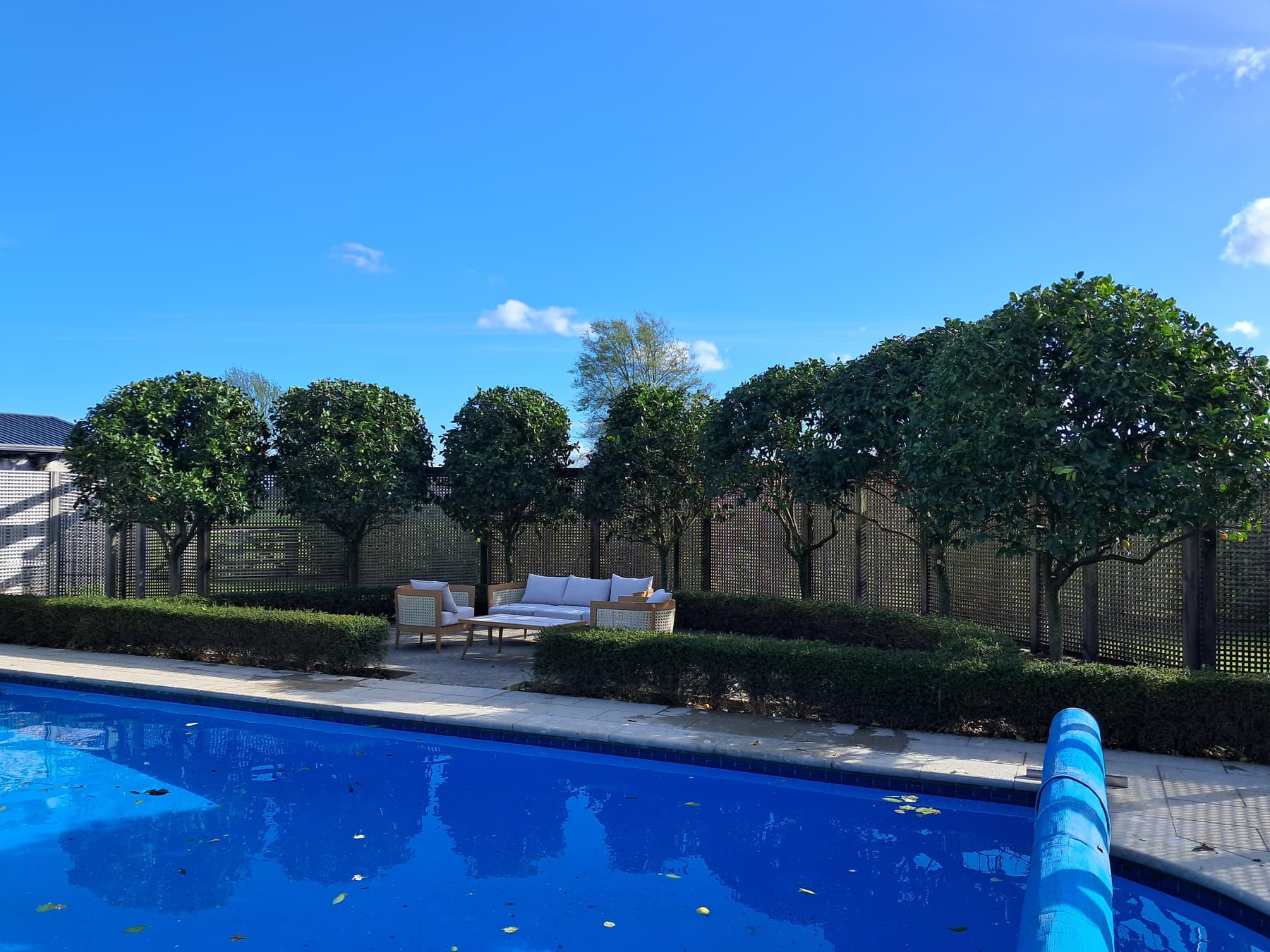
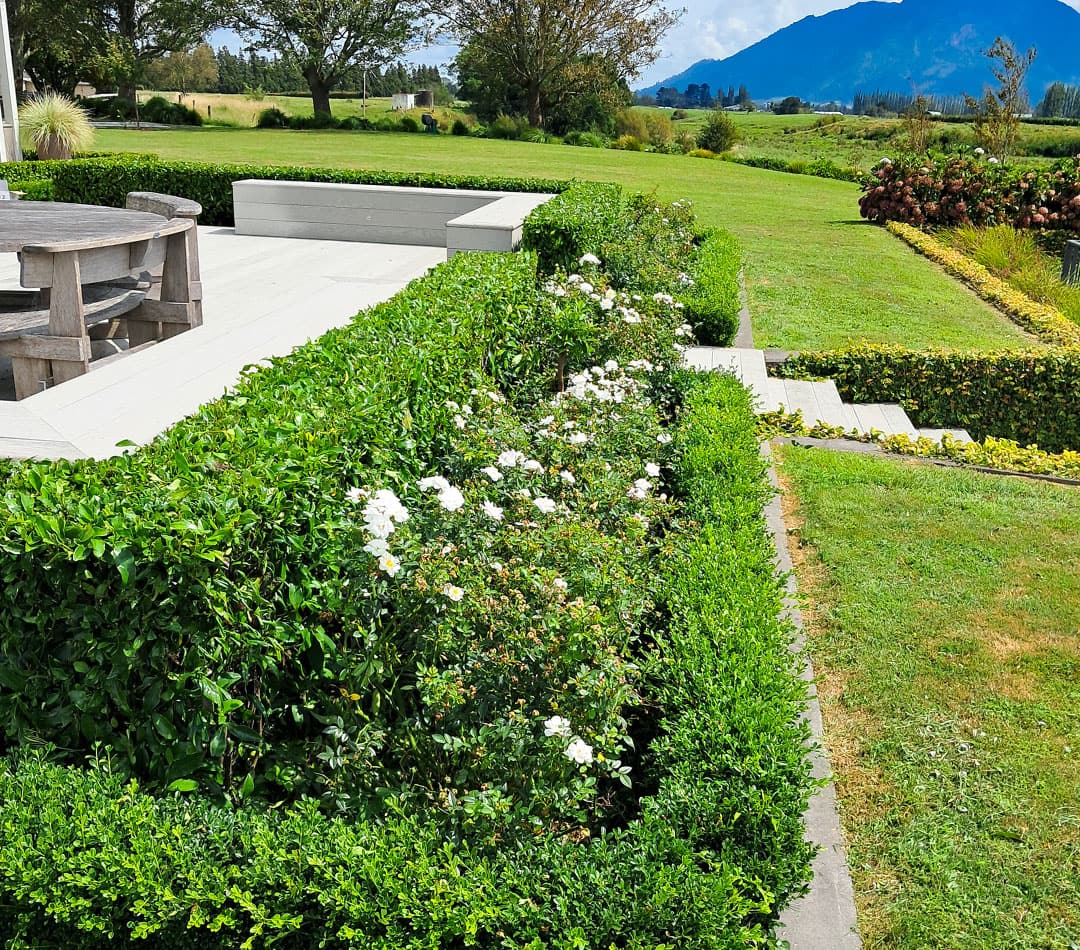
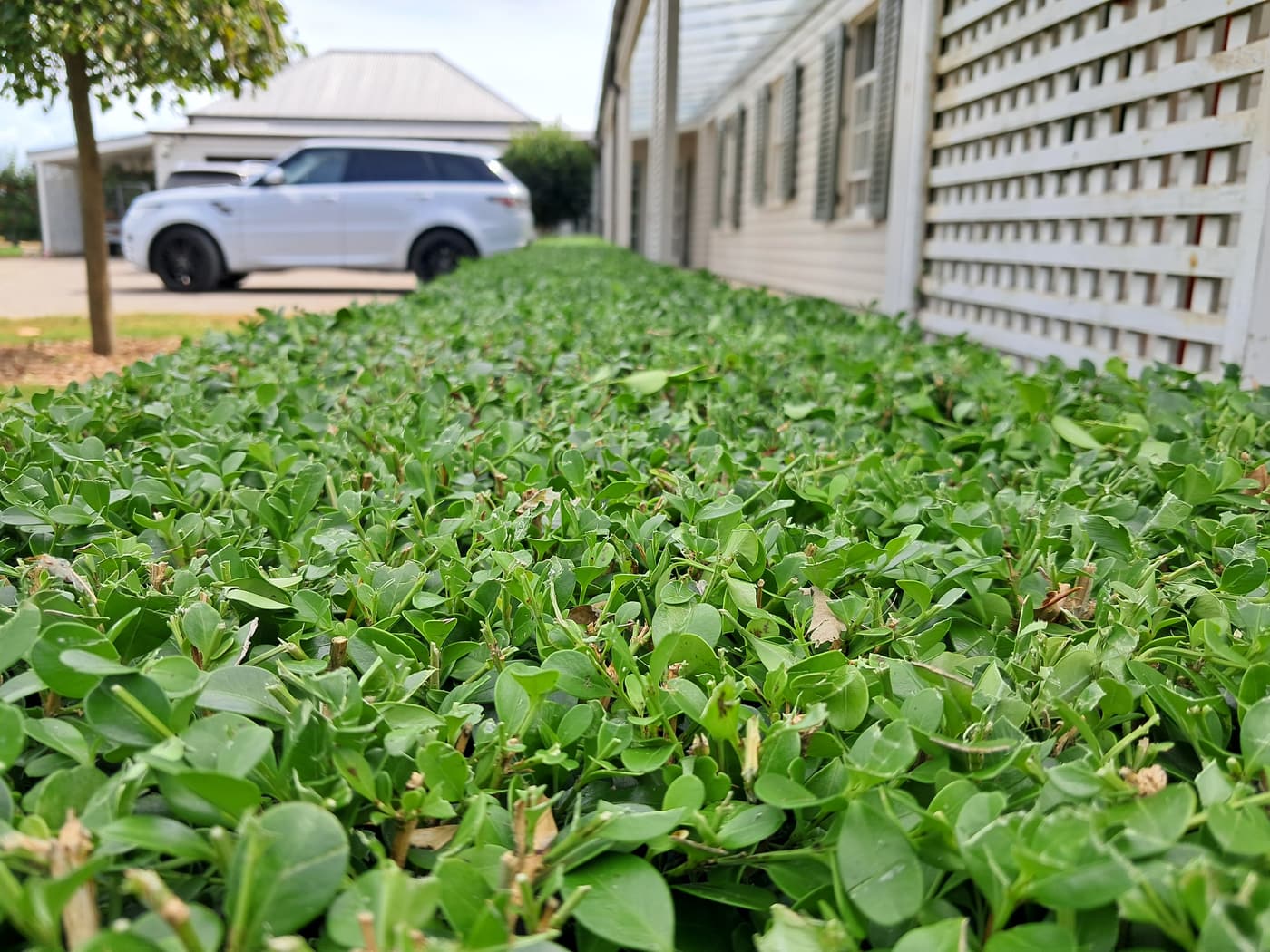
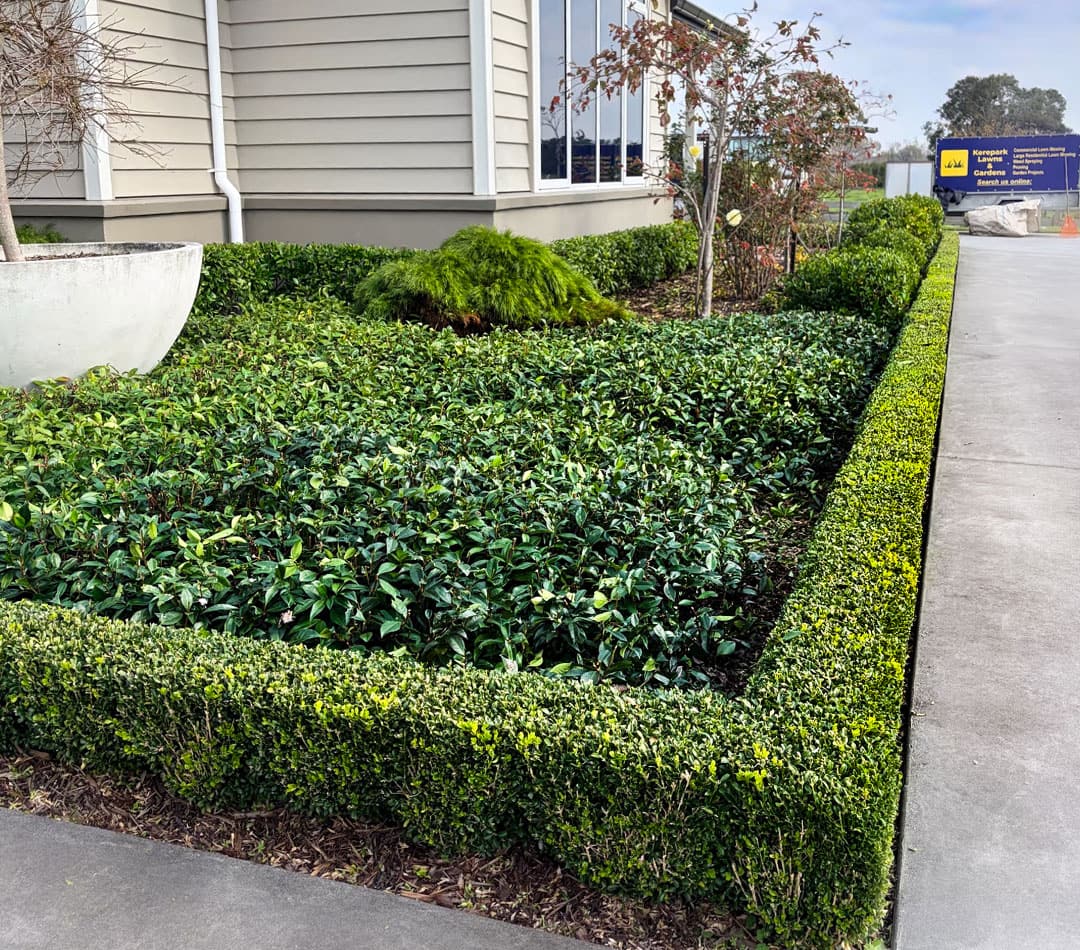
Photos and site walk-throughs are useful during this stage, especially where expectations around hedge height, lawn edges or garden-bed presentation are particular. The more clearly the desired result is established at the beginning, the easier it is to maintain a consistent standard.
Choosing a team for long-term grounds care
Landscape maintenance is not just a labour service. It is ongoing stewardship of a living, changing property. The best results come from a team that understands both construction and maintenance, because they can see how drainage, soil, plant selection, access and existing hard landscaping influence the work required over time.
This integrated knowledge is especially useful when a garden needs more than routine care. A failing lawn area may need drainage improvement rather than another application of fertiliser. An overgrown boundary could require staged hedge reduction. A tired garden bed may benefit from a redesigned planting plan that is easier to maintain and better suited to its conditions.
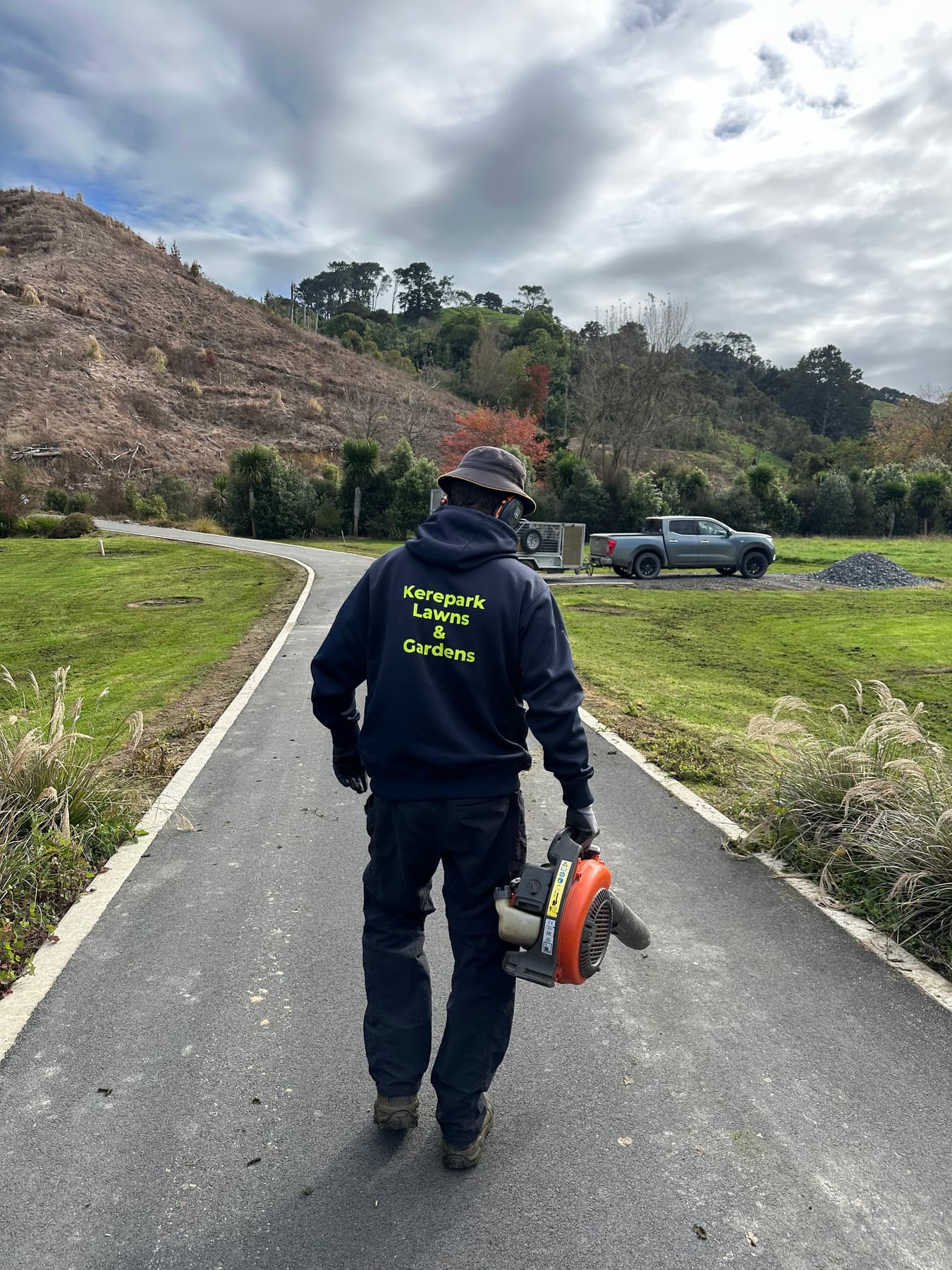
Kerepark Lawns & Gardens approaches maintenance with this wider property perspective, coordinating garden care, mowing, hedge work, tree care and improvements where required. For owners of complex grounds, one accountable team can make decisions and communication far more straightforward.
Reliability should remain central to your decision. Choose a provider that turns up as arranged, treats gates, gardens and outdoor surfaces with care, communicates early when conditions change and takes pride in leaving a property in better order than they found it.
Set the standard before the first visit
The strongest maintenance package is one that reflects how you use your property. A family garden may need safe, usable lawns and manageable planting. A lifestyle estate may need a considered programme for long boundaries, mature trees and orchard areas. A commercial site may require immaculate entrances and predictable servicing without disrupting daily operations.
Arrange an on-site assessment before comparing packages. Walk the grounds, identify what matters most, discuss the seasonal pressure points and agree on the standard you expect. When the scope is shaped around the property rather than a generic checklist, ongoing care becomes a practical investment in a healthier, more attractive outdoor environment.