A large property can look generous from the driveway yet feel disjointed once you step beyond the house. A lawn may be difficult to mow, a hedge may block an important view, or planting beds may demand far more attention than their owners anticipated. Knowing how to plan estate gardens means designing the whole property as one working landscape, not simply adding attractive plants around the home.
For Waikato lifestyle blocks, rural estates and larger residential grounds, the strongest garden plans balance arrival, privacy, outlook, access and upkeep. The result should suit the way you live now while remaining practical to manage as trees mature, seasons change and your needs evolve.
Start estate garden planning with the property itself
Before deciding on a style, take time to understand what the land is already telling you. Estate gardens need to work with their setting. On a Waikato property, that may mean responding to heavy soils, wet areas, summer dryness, prevailing winds, frost pockets, established shelterbelts or a long view towards the hills.
Walk the grounds at different times of day. Notice where morning and afternoon sun falls, where water sits after rain, and which areas are exposed. Identify existing features worth retaining, such as mature specimen trees, heritage plantings, productive orchard trees, ponds, fences or established driveways. These features often provide the structure that gives a larger garden its sense of place.
It is equally useful to identify the constraints early. A low area may need drainage or planting that tolerates moisture. A steep bank may call for stabilising plants rather than a formal lawn. A beautiful but ageing tree may require professional assessment before new paths, structures or garden beds are built around it. Solving these matters at the planning stage costs less and produces a more reliable result than correcting them after construction.
Map how people, vehicles and equipment move
An estate garden must accommodate more than leisurely walks. Consider where family and guests arrive, where tradespeople park, how rubbish and deliveries are handled, and how mowing machinery reaches lawns and orchard areas. On rural and lifestyle properties, access for a ute, trailer or larger maintenance equipment can be fundamental.
Paths should lead somewhere useful, whether that is the front entrance, a pool area, vegetable garden, entertaining space, orchard or utility zone. Service access should be discreet where possible, but it cannot be overlooked. A garden that looks refined from the house but makes routine maintenance awkward will soon become expensive to manage.
Create a clear framework before choosing plants
Large grounds benefit from a simple hierarchy. Think first in broad zones rather than individual garden beds: the arrival area, the house garden, outdoor living spaces, open lawns, productive areas, boundary planting and more natural or rural zones. Each should have a clear purpose and connect logically with the next.
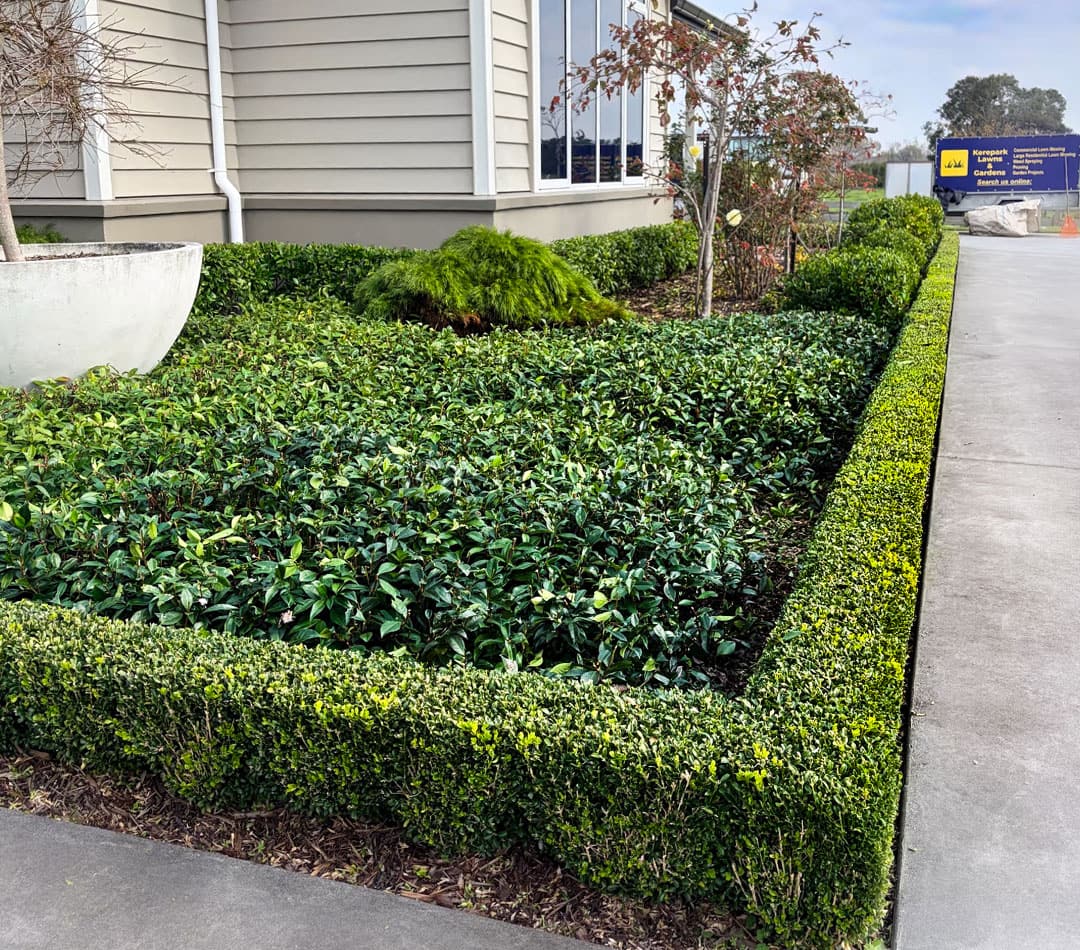
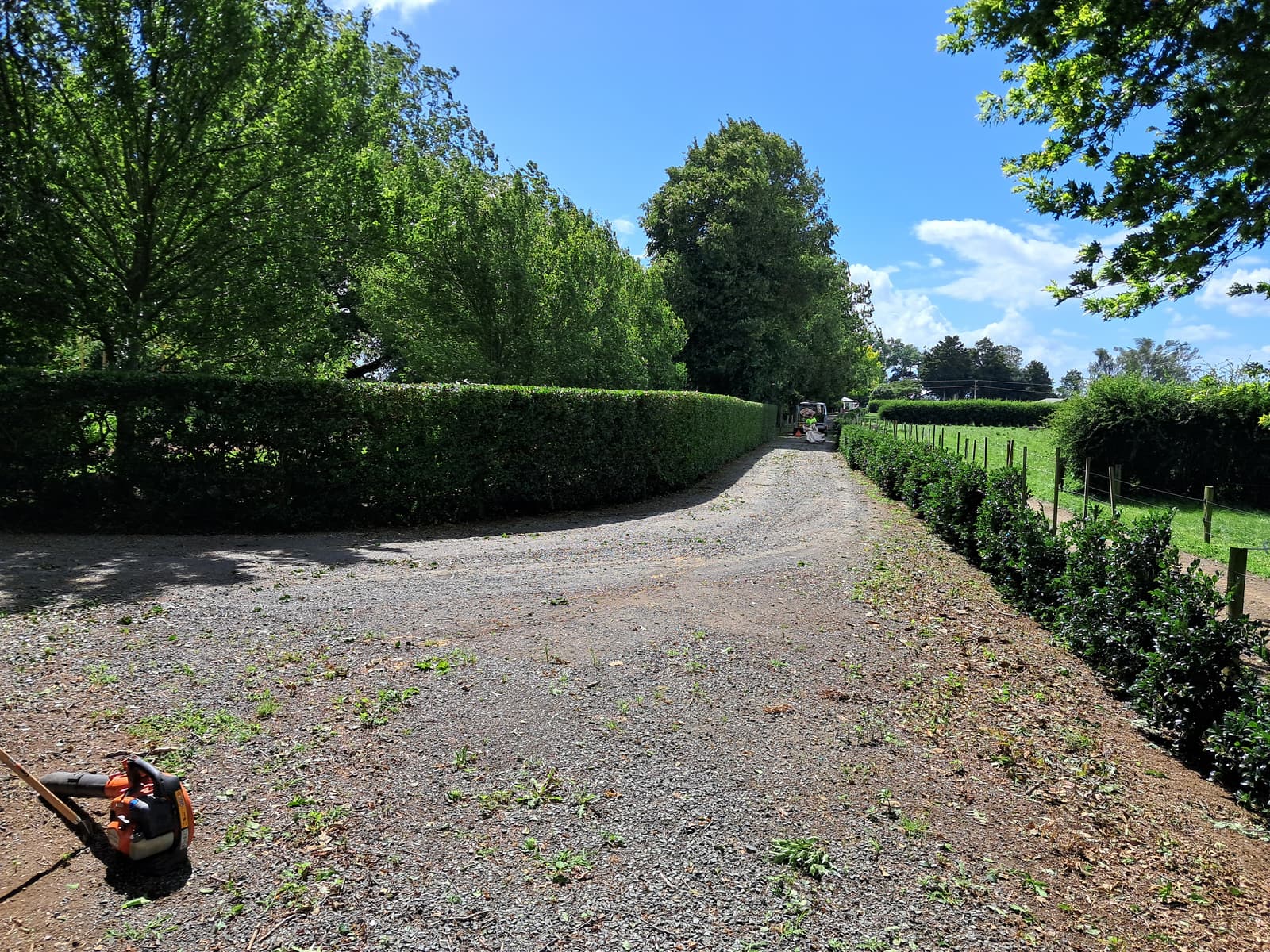
The arrival sequence deserves particular attention. Driveways, gates, entrance planting and the approach to the front door shape the first impression of the property. This is not necessarily a case for elaborate planting. Well-proportioned lawns, healthy hedging, defined edges and a few carefully selected trees can feel more substantial than a crowded display.
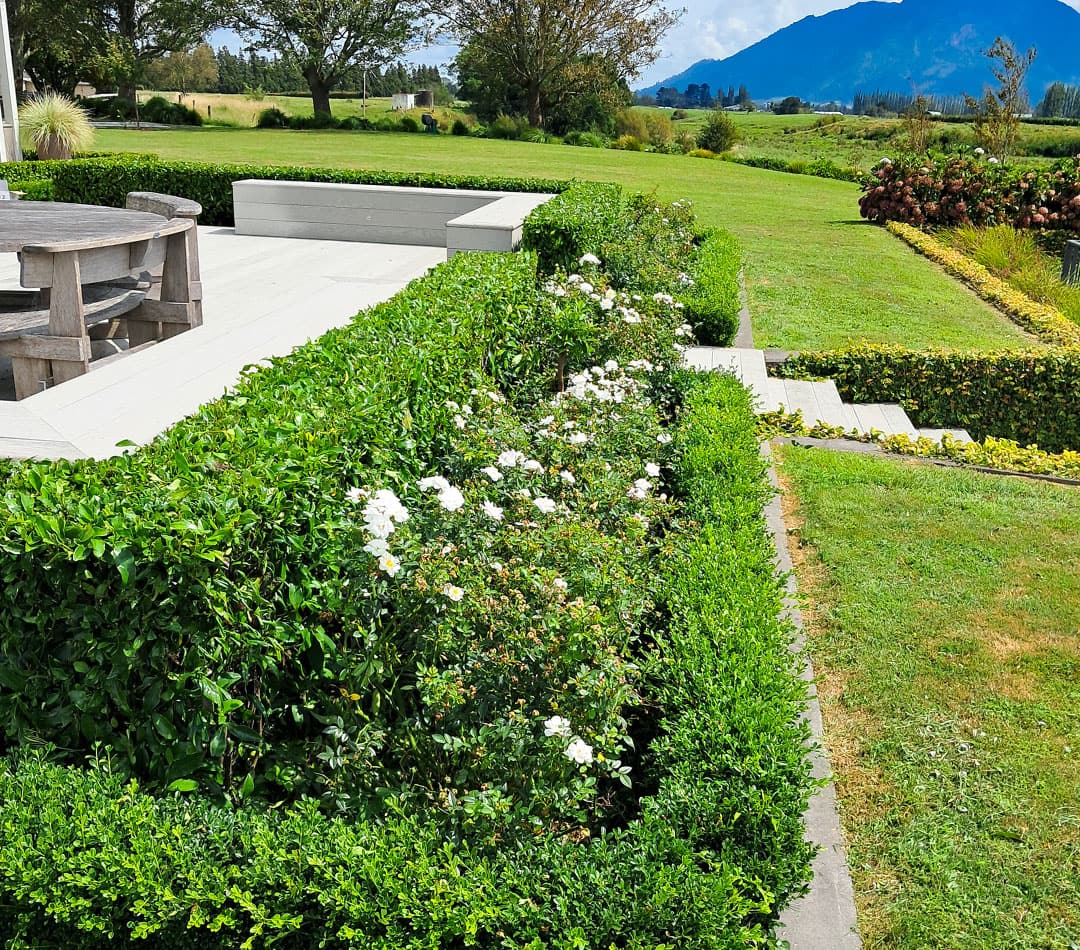
Near the house, gardens can be more detailed and personal. This is where seating, flowering borders, pots, kitchen gardens and feature planting have the greatest everyday value. Further from the house, simplify the treatment. Larger drifts of plants, shelter planting, specimen trees and generous open space are easier to read from a distance and generally easier to maintain.
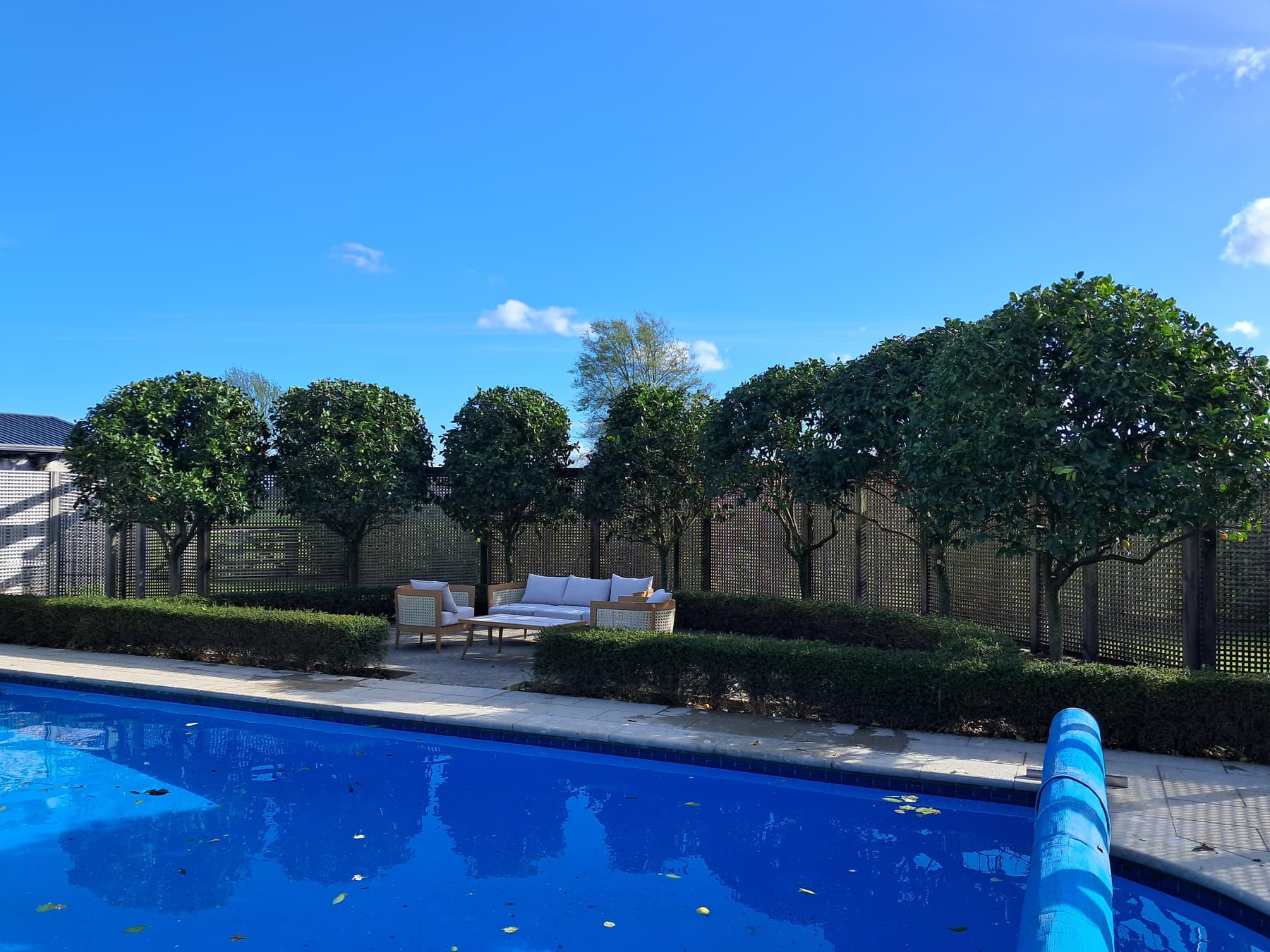
A good framework also protects important views. Decide which outlooks should remain open and which areas would benefit from screening. Privacy planting around a terrace may be valuable, while a tall hedge in the wrong position can close off light and make the property feel smaller. The right answer depends on the direction of neighbouring houses, roads, wind and the views you want to keep.
How to plan estate gardens around long-term maintenance
The most successful estate gardens are not maintenance-free. They are maintenance-aware. Every hedge needs trimming, every lawn needs mowing, every tree needs monitoring and every planting scheme needs seasonal attention. Planning with this reality in mind protects the appearance and value of the property over time.
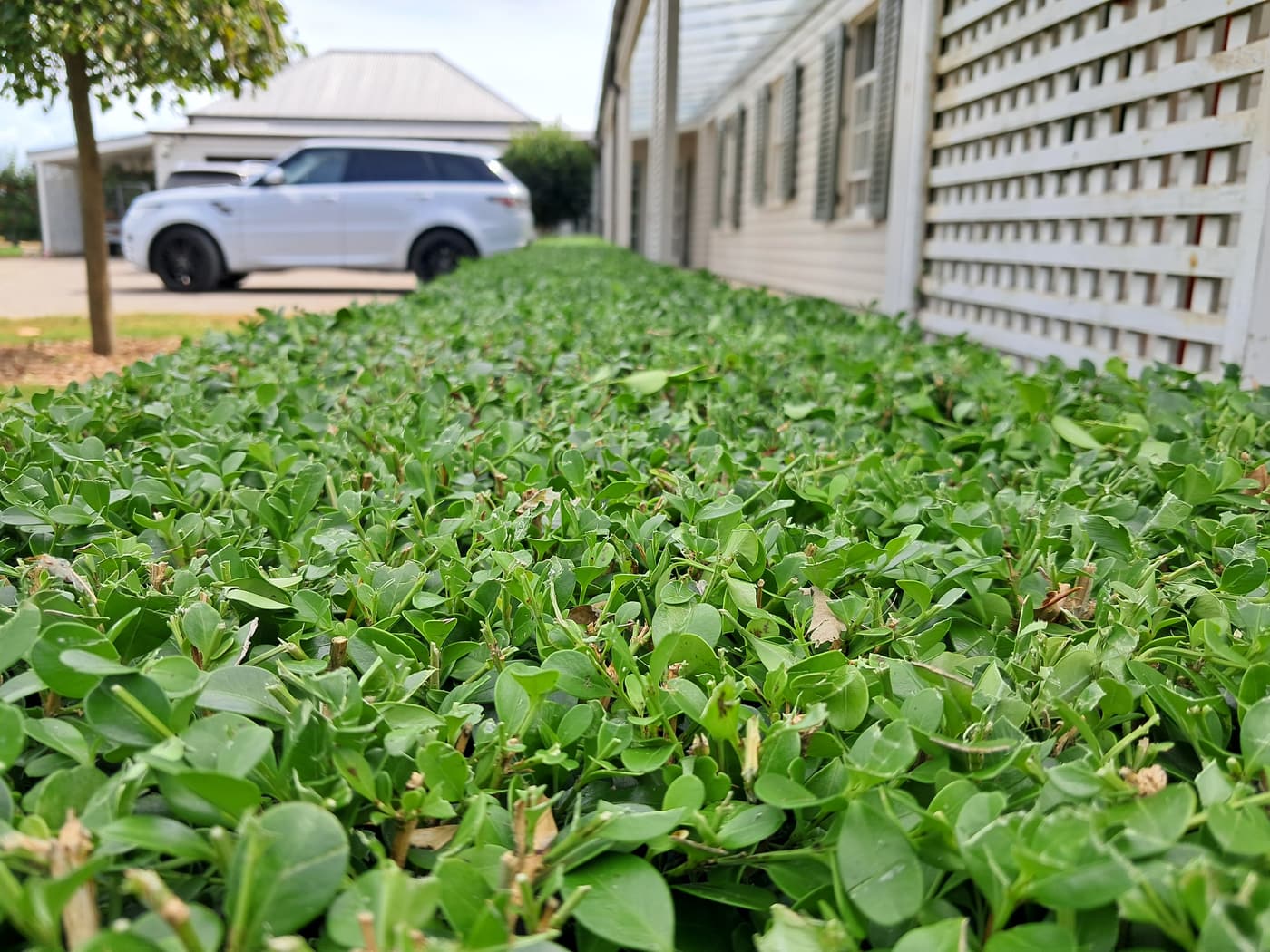
Start by matching the scale of each garden element to the available care. Formal hedges and clipped topiary can create a strong sense of order, but they need regular skilled trimming to remain crisp. Large perennial borders offer colour and texture, though they require more seasonal cutting back, dividing and weed control than a simple shrub planting. An orchard can be highly rewarding, but fruit trees need considered pruning, feeding and pest management.
Choose plants for mature size, not the size they are in a nursery pot. Planting too closely produces a full look quickly, but can create crowding, poor airflow and unnecessary pruning within a few years. Allow room for trees and shrubs to develop their natural form, particularly around driveways, buildings, powerlines and boundaries.
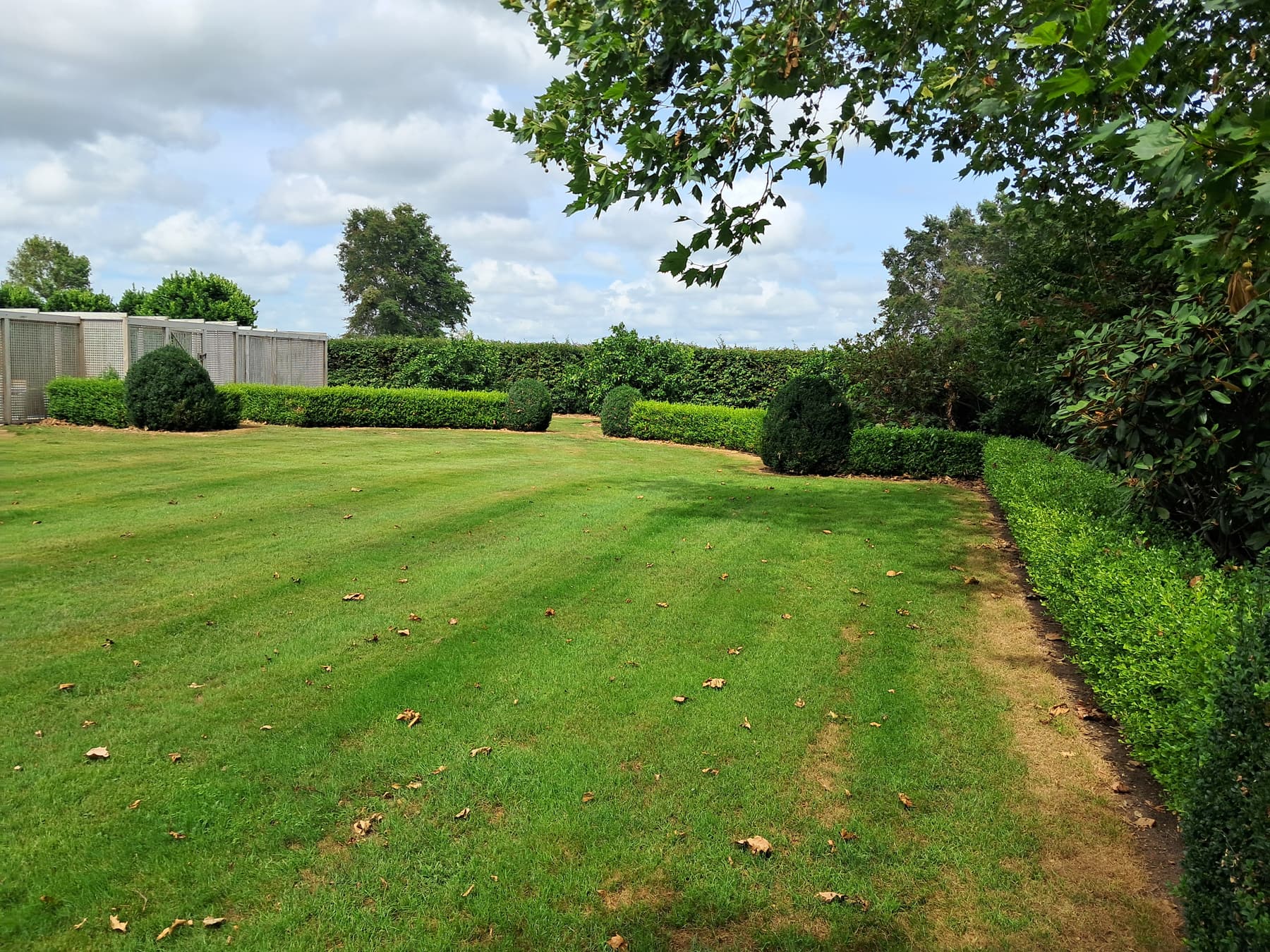
Lawns also need a deliberate approach. Broad, uncomplicated lawn areas are efficient to mow and provide welcome visual calm among more detailed gardens. Tight curves, narrow strips and steep edges may look appealing on a plan but can turn a simple mowing job into a time-consuming task. Where practical, use clear mowing lines and avoid placing isolated trees or ornaments where they complicate access.
Select a planting palette with purpose
A cohesive estate garden does not rely on using every plant you admire. It benefits from restraint, repetition and a planting palette suited to the site. Repeating key colours, foliage textures and structural plants throughout the grounds creates continuity between the formal house garden and the wider landscape.
Evergreen plants provide dependable structure through winter, while deciduous trees can bring summer shade, seasonal colour and more winter light around living areas. Flowering plants should support the garden rather than carry it entirely. Include them where they will be seen and enjoyed, such as near entrances, paths and outdoor entertaining spaces.
For rural properties, it can be effective to transition gradually from cultivated garden to looser shelter planting or more natural boundaries. This softens the connection between home and paddock while improving privacy and wind protection. Native planting may suit parts of the site, particularly where resilience, habitat and a lower-input character are priorities, while traditional estate planting can work beautifully around a formal home. The best choice depends on the architecture, soil, exposure and desired level of management.
Irrigation should be considered alongside planting, not added as an afterthought. New gardens need reliable water while they establish, and even established plantings can struggle through extended dry periods. Planning water points, irrigation zones and drainage before paths and lawns are completed avoids disruptive alterations later.
Build in stages without losing the bigger picture
Few estate gardens need to be completed all at once. Staged construction is often the most sensible way to manage budget, minimise disruption and give the property time to settle. The key is to work from a complete master plan, even if installation occurs over several seasons.
Prioritise the elements that influence everything else: drainage, earthworks, access, retaining, major trees, irrigation infrastructure and hard landscaping. These are difficult to retrofit and form the backbone of the garden. Next, focus on the areas used most often, such as the entrance, main outdoor living area and garden around the home. More distant planting, secondary paths and ornamental features can follow in a considered sequence.
Avoid spreading a limited budget thinly across the entire property. It is generally better to complete one area to a high standard than to install many small, unfinished fragments. A well-built terrace, established entrance garden or properly prepared shelterbelt will give more lasting value than rushed work that needs early replacement.
Bring design, construction and care together
An estate garden is a living asset. Its performance depends as much on the first few years of care as it does on the original plan. Regular mowing, hedge trimming, pruning, mulching, weed control and plant health checks preserve the intended structure while allowing the garden to mature well.
This is where a coordinated design-build-maintain approach makes a real difference. Kerepark Lawns & Gardens can plan outdoor spaces with practical construction and ongoing care in view, so the finished garden is not only impressive on completion day but manageable for years to come.
A thoughtful estate garden should become more settled, useful and valuable with age. Begin with the land, plan for how the property is actually used, and give every feature a reason to be there. That approach creates outdoor grounds you can enjoy with confidence, season after season.