A planting plan can look impressive on the day it is installed, then struggle within a season if it has not been designed for the site. Effective garden planting design Waikato property owners can rely on starts with the conditions already present: the soil underfoot, the amount of sun and shelter, drainage after rain, access for maintenance, and how the garden needs to work for the people using it.
For a rural property, that may mean establishing structure around a home exposed to wind and open paddocks. For a residential garden in Matamata, Morrinsville or Te Aroha, it may be about creating privacy without closing in a smaller outdoor area. At a commercial site, it often comes down to a consistently tidy, welcoming landscape that can be maintained efficiently. The right answer is never simply more plants. It is a considered design that will establish well, mature gracefully and remain practical to care for.
What Good Garden Planting Design in Waikato Considers
Waikato gardens can vary markedly from one property to the next. Heavy or compacted soils, damp patches, exposed boundaries, established trees and changing levels all influence what will thrive. Seasonal rainfall and humidity can support vigorous growth, but they also make drainage, spacing and air movement important. Cold snaps and frosts in some locations add another layer of consideration when selecting more sensitive plants.
A strong planting design works with those conditions rather than trying to force a garden into a style that does not suit the property. Before selecting plants, assess where water sits after heavy rain, how the sun moves through the site, where prevailing winds hit, and which views should be framed or screened. Existing trees, buildings, driveways and services also shape the available planting space.
This site-led approach protects the investment in both plants and construction. It reduces the likelihood of repeated replacements, overcrowding and beds that become difficult to manage. It also gives the finished garden a sense of belonging to the property, rather than appearing newly placed on top of it.
Start With How the Garden Will Be Used
Planting should support daily life, not compete with it. A beautiful border beside a main entrance needs to stay tidy and allow clear access. A lifestyle property may need defined zones around outdoor entertaining areas, lawns, sheds, orchards and boundary planting. A retired homeowner may prefer a garden with seasonal interest that does not demand constant pruning, staking or replanting.
It helps to make practical decisions early. Consider where people arrive, park and walk; where children or pets play; whether there is a view to protect; and how much ongoing care is realistic. Screening plants, for example, need enough room to mature without overwhelming a path, fence or building. A dense hedge can provide excellent privacy, but it comes with regular trimming requirements. A mixed planted boundary may offer a softer look and better habitat, although it needs thoughtful species selection to avoid becoming untidy.
For commercial grounds, planting should reinforce a professional first impression without creating avoidable maintenance pressure. Clear edges, durable plants and accessible bed layouts make a meaningful difference over time. The design needs to look good between scheduled visits, not only immediately after a maintenance crew has finished.
Build the Garden in Layers
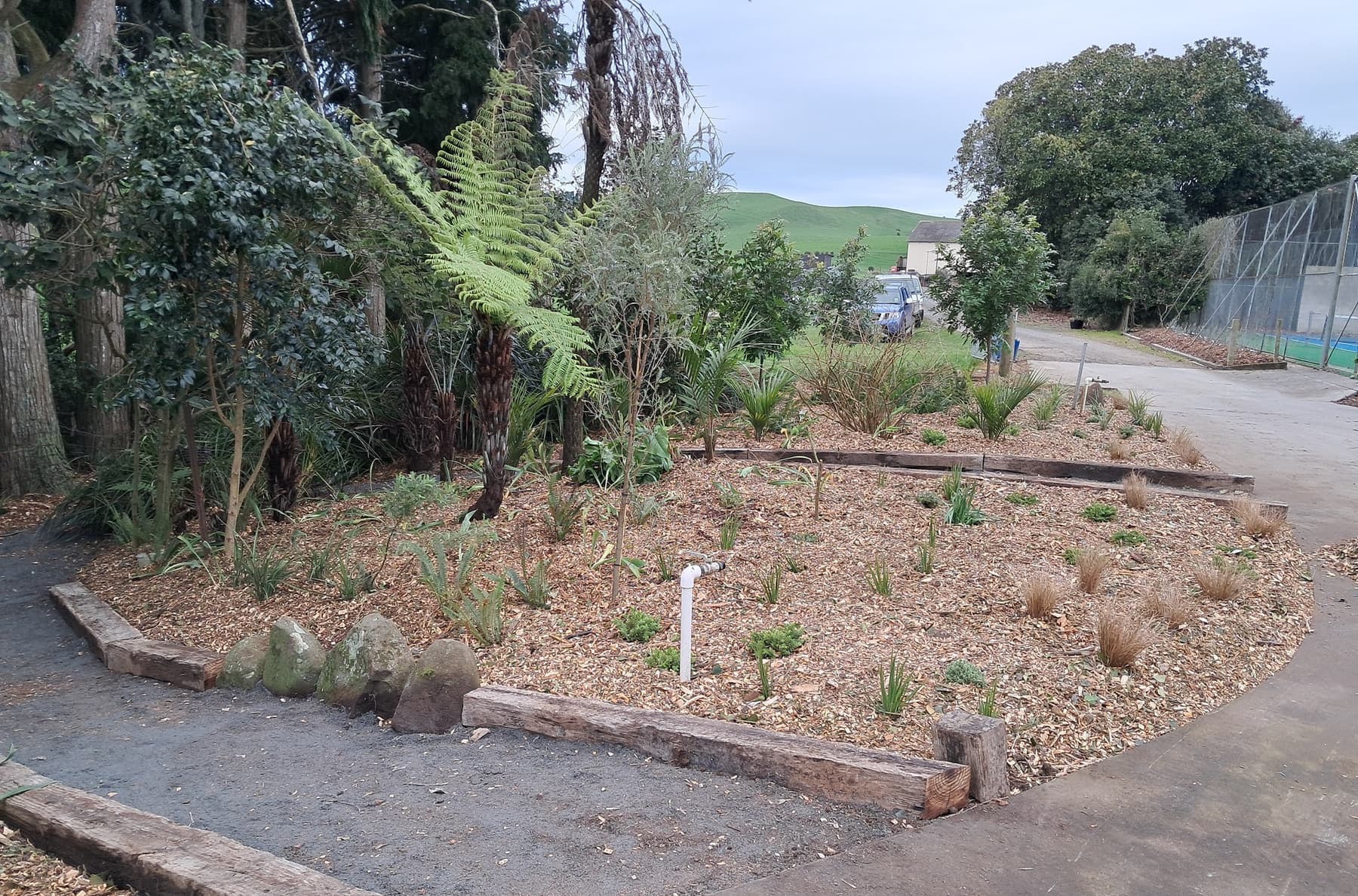
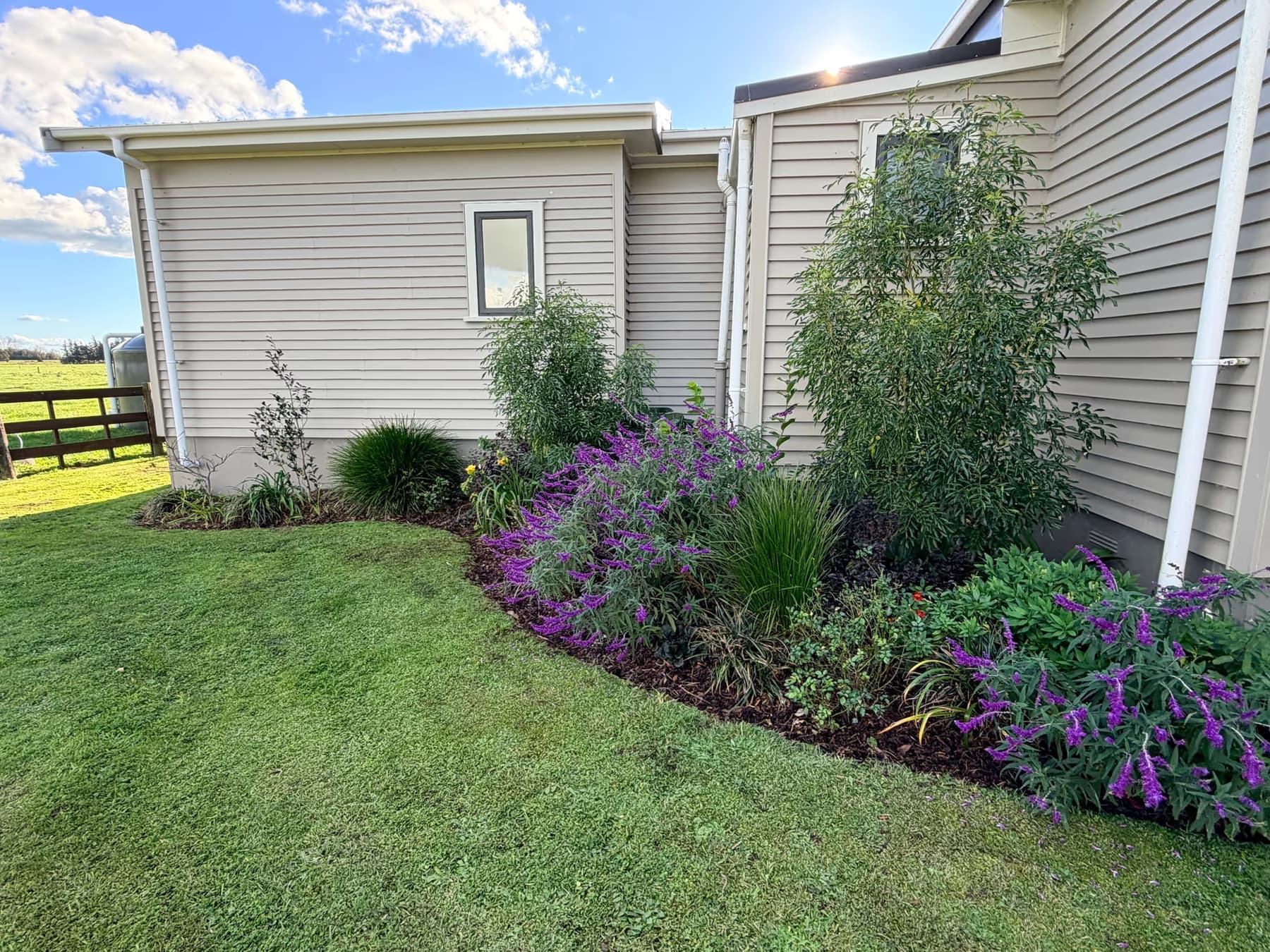
The most successful gardens have structure before they have detail. Trees, hedges and large shrubs form the framework, giving scale, shelter, privacy and year-round shape. Smaller shrubs and perennials then bring colour, texture and seasonal change. Groundcovers and carefully managed mulch help tie the planting together while protecting the soil.
This layered approach matters because plants grow. A sparse new garden can tempt people to plant too closely for an instant result. Within a few years, plants begin competing for light, water and nutrients. Airflow drops, pruning becomes more intensive, and the original design loses definition.
Allowing for mature size is one of the clearest signs of quality planting design. It can mean using temporary infill plants in selected areas while slower-growing specimens establish, rather than crowding permanent plants into every gap. It also means choosing plants for their long-term form, not just the flower or foliage that catches the eye at the nursery.
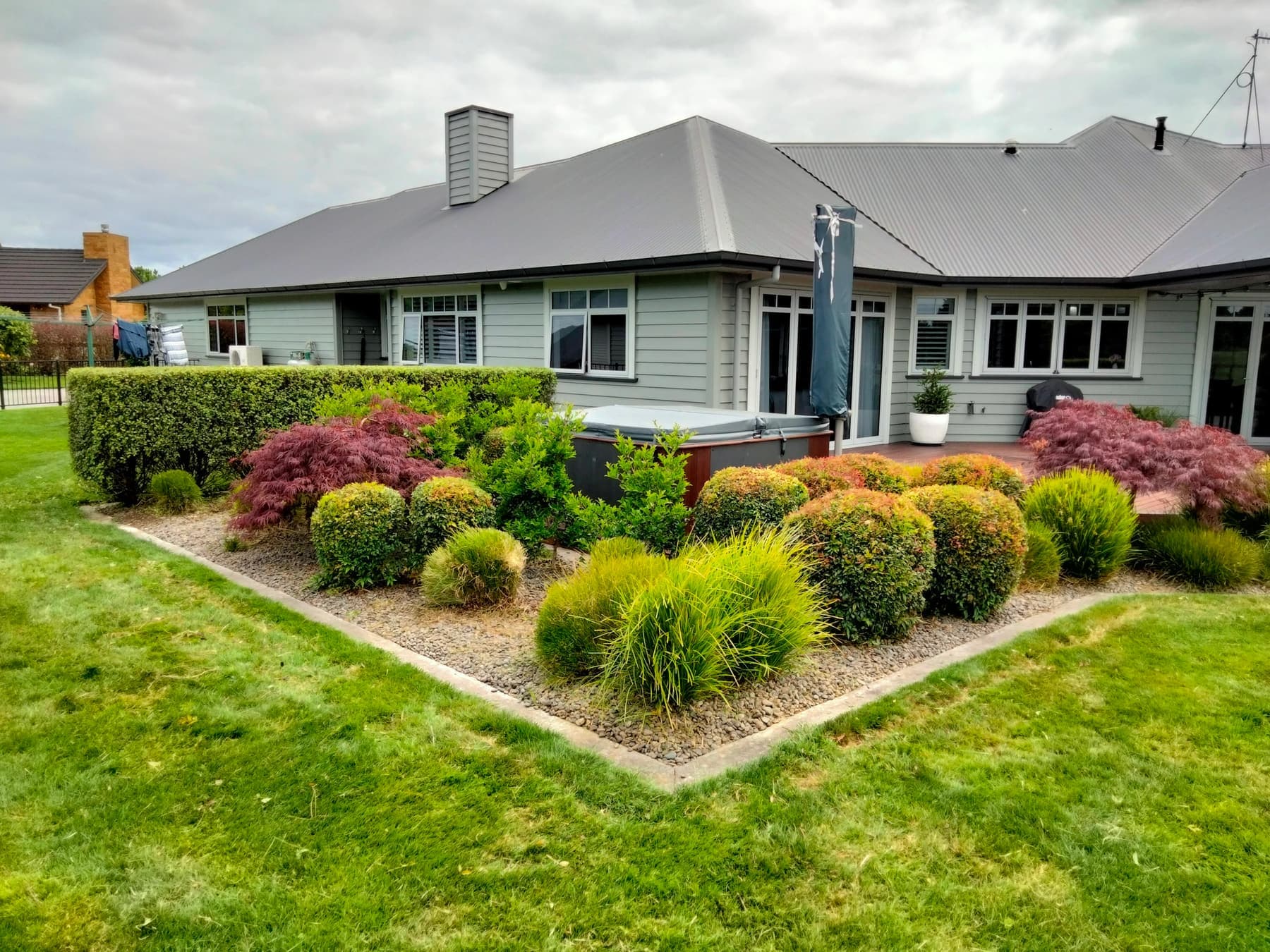
Colour has its place, but it should be part of a wider composition. Repeated foliage tones, varied leaf shapes and reliable evergreen structure can carry a garden through the quieter months. Flowering plants then become highlights rather than the only source of interest. This produces a more settled, premium result and often makes maintenance easier to plan.
Choose plants for performance, not fashion
A plant that performs well in one Waikato garden may be a poor fit a few kilometres away. The difference could be a wet clay pocket, a frosty hollow, a dry bank or shade cast by mature trees. Good plant selection accounts for these microclimates as well as the desired appearance.
Native plants can be valuable for their resilience and connection to the local landscape, particularly in shelter belts, larger boundaries and naturalistic areas. Exotic species can also be the right choice where a formal look, reliable hedge, distinctive seasonal display or specific garden character is required. The best designs often combine both with a clear purpose.
The key is avoiding a plant palette that relies on constant intervention to survive. That does not mean every plant must be low-maintenance. A feature rose bed, clipped hedge or productive fruit-tree area can be worth the care it requires when the maintenance programme is understood from the beginning. The trade-off should be deliberate, not discovered after installation.
Soil Preparation Is Part of the Design
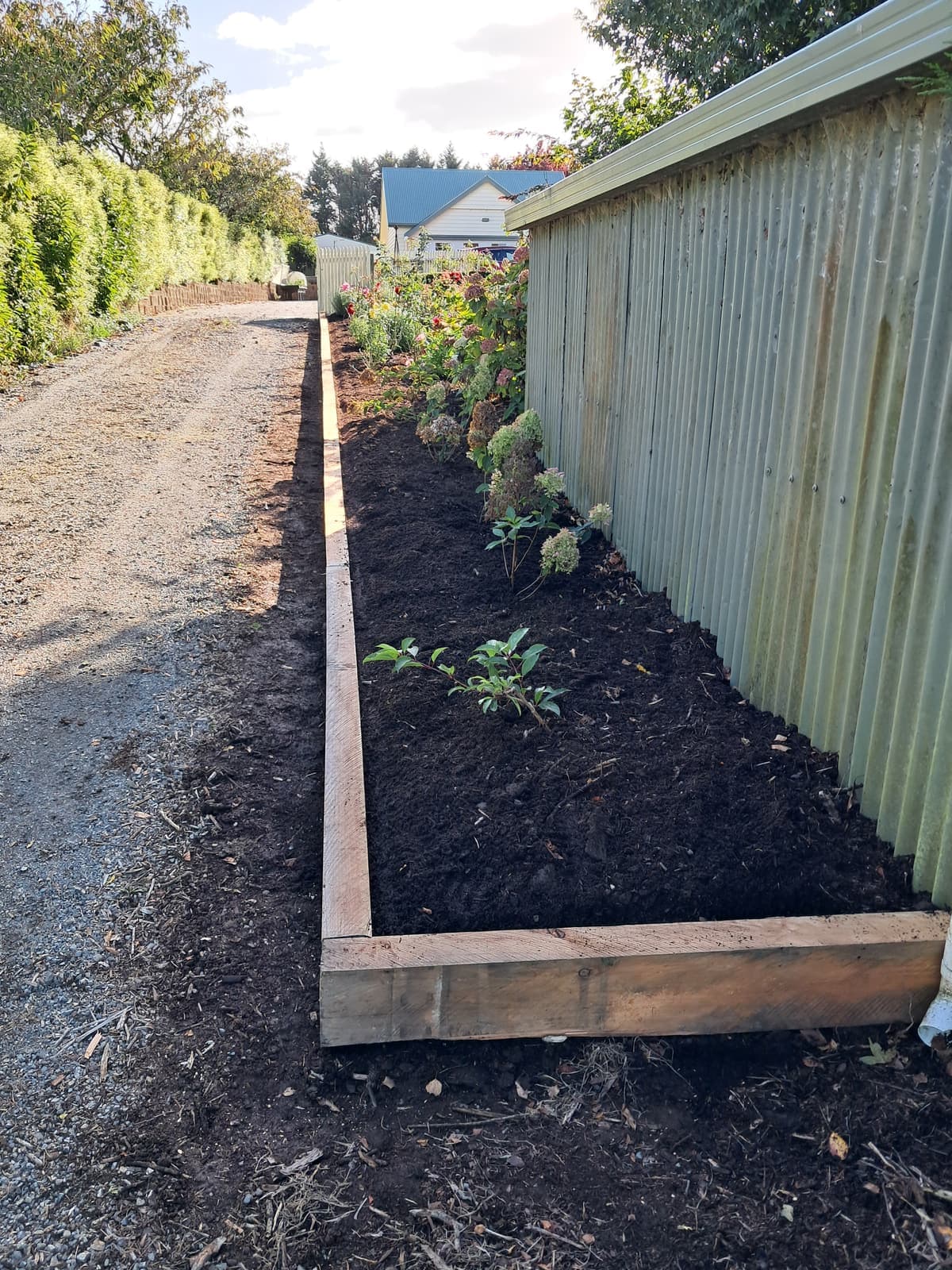
Plants cannot compensate for poor ground preparation. If a site has compacted soil, weak drainage or low organic matter, those conditions should be addressed before planting begins. Depending on the area, preparation may include cultivation, contouring, improving soil structure, incorporating suitable organic material or creating raised planting zones where drainage is persistently poor.
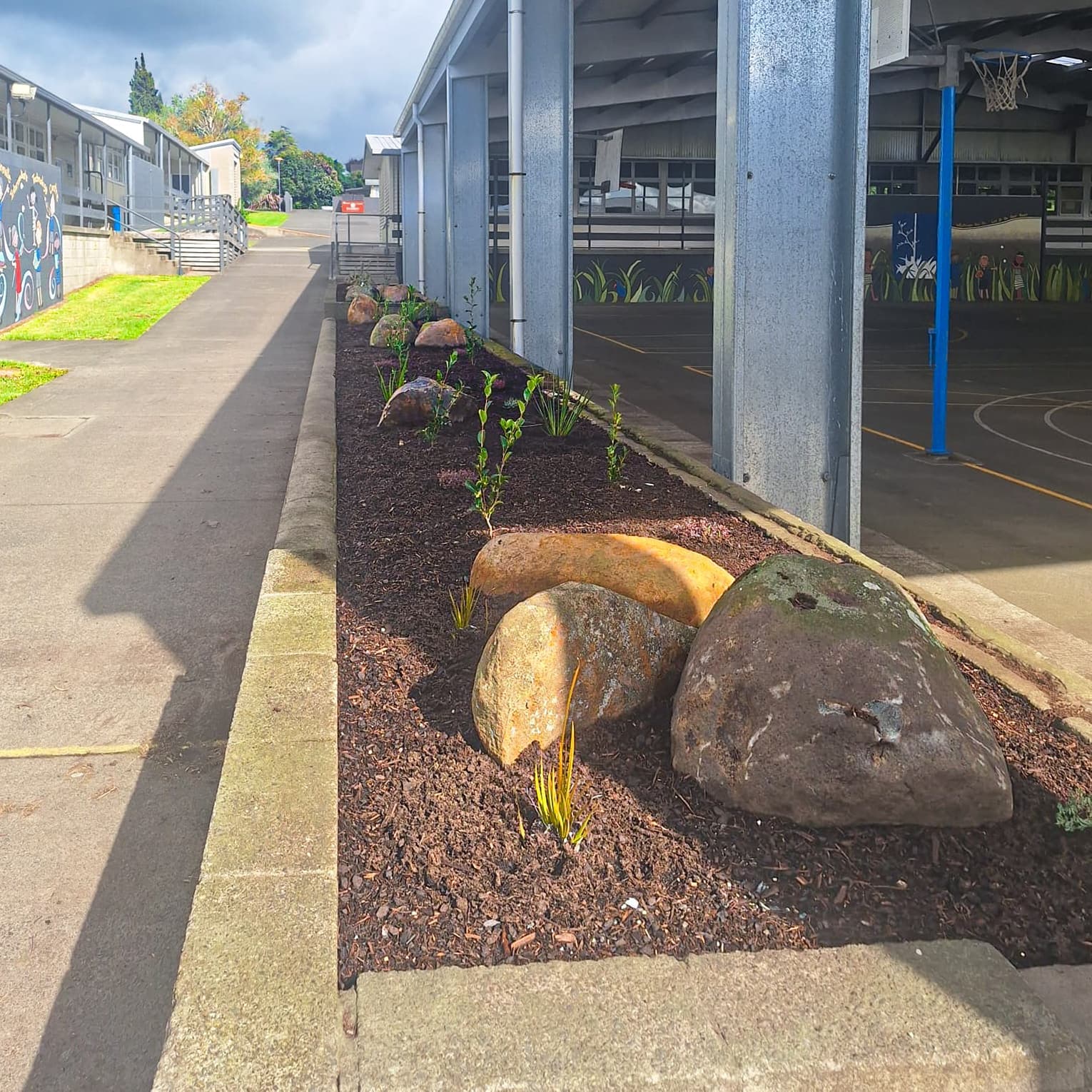
Mulch is another practical part of a well-built garden. Applied correctly, it helps retain moisture, moderate soil temperature and suppress weeds while the planting establishes. It should not be piled against stems or used to hide unresolved weed and drainage problems. Edging, levels and irrigation points also need to be considered alongside planting, not treated as afterthoughts.
This is where an integrated design-and-build approach earns its value. The people installing the garden understand the intention behind the plan, and the design can respond to what is uncovered on site. If soil conditions, services or water movement require an adjustment, it can be addressed with the long-term outcome in mind.
Design for Maintenance From Day One
Every garden needs care. The aim is not to promise otherwise, but to create a garden where the required work is predictable, manageable and worthwhile. That starts with sensible access for mowing equipment, pruning tools and green-waste removal. It continues with plant spacing, bed shapes and species choices that suit the level of care available.
New planting requires particular attention through its establishment period. Watering, weed control, mulch checks and formative pruning all influence whether plants develop strong root systems and a healthy shape. Missing this stage can leave a garden uneven and more expensive to correct later.
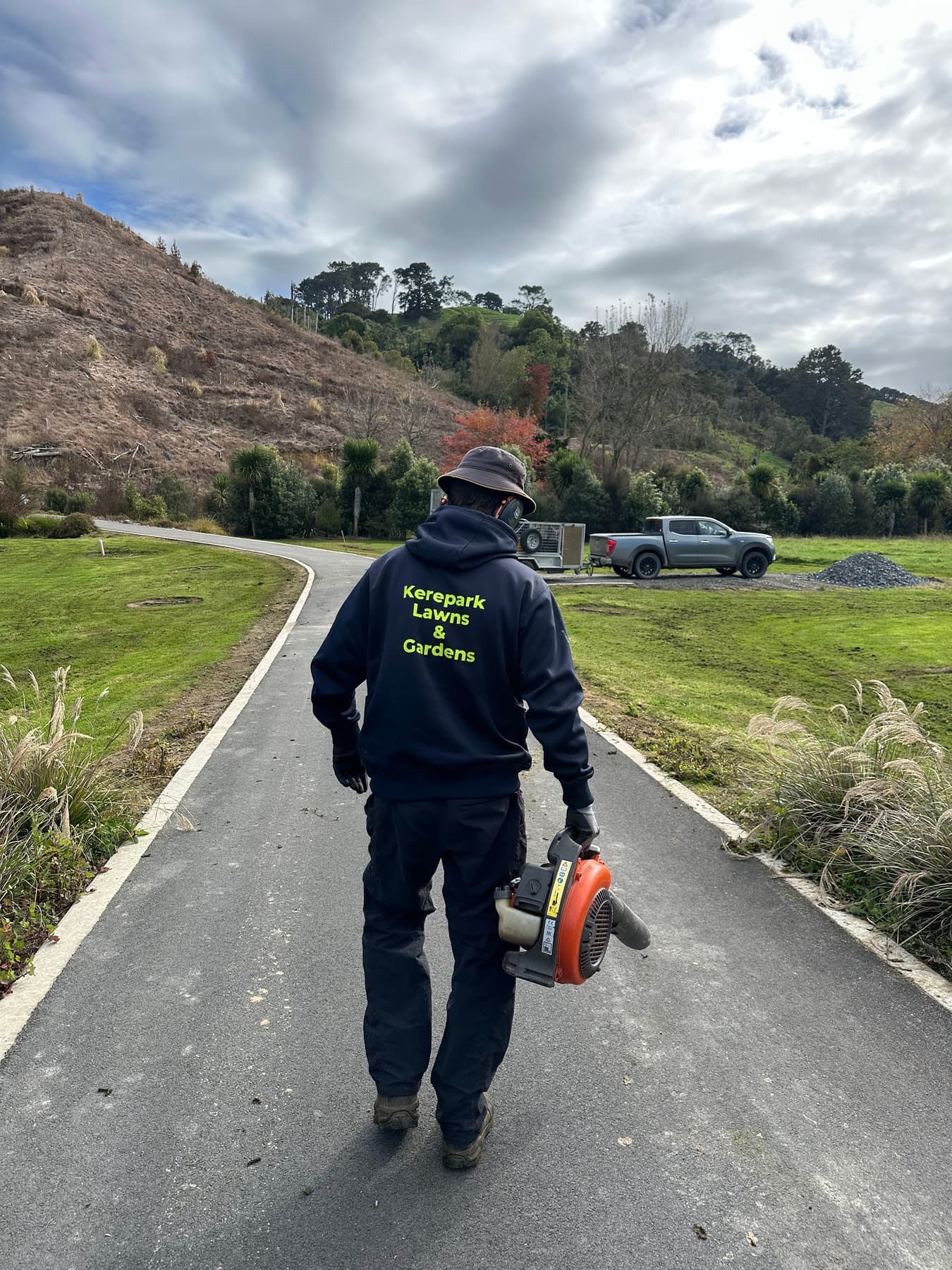
Once established, maintenance protects the original design. Hedges retain clean lines, shrubs are pruned at the right time, lawns stay well presented, and beds are managed before weeds or overgrowth take hold. Kerepark Lawns & Gardens can carry that responsibility from design and construction through to ongoing garden care, giving property owners one accountable team for the landscape as it develops.
A Garden That Improves With Time
The measure of a planting design is not how it photographs in week one. It is how confidently it settles into the property over the following years: providing shade where it is needed, screening without crowding, flowering in sequence, and remaining healthy under regular care.
If you are planning a new garden, improving an established property or bringing order to large and complex grounds, begin with a site consultation rather than a plant-shopping list. A clear plan for the soil, structure, plant choices and future maintenance will give your Waikato garden the best chance to become more valuable and enjoyable with every season.