A hedge can make a garden feel established, private and beautifully ordered – or it can quickly make a well-kept property look neglected. Professional hedge trimming Waikato property owners can depend on is not simply about making foliage shorter. It is about maintaining the right shape, density and plant health so the hedge continues to perform its role year after year.
For homes, lifestyle blocks and commercial grounds across the Waikato, hedges often form the framework of the landscape. They define driveways, shelter outdoor areas, soften boundary fencing and create a strong first impression. Giving them skilled, regular attention protects that investment.
Why hedge trimming in Waikato needs a considered approach
The Waikato’s generous rainfall and fertile conditions can produce vigorous hedge growth. That is excellent when establishing a screen or formal garden edge, but it also means many hedges can lose their intended shape surprisingly quickly. A fast-growing boundary hedge may begin blocking light, narrowing accessways or spilling across paths before the season is out.
Trimming on a regular schedule keeps growth manageable, but timing and technique matter just as much as frequency. Cutting too hard at the wrong time can leave bare patches, stress a plant in dry conditions or remove flowering wood. Allowing a hedge to become overgrown for years, then cutting it back severely, can produce a thin result that takes a long time to recover.
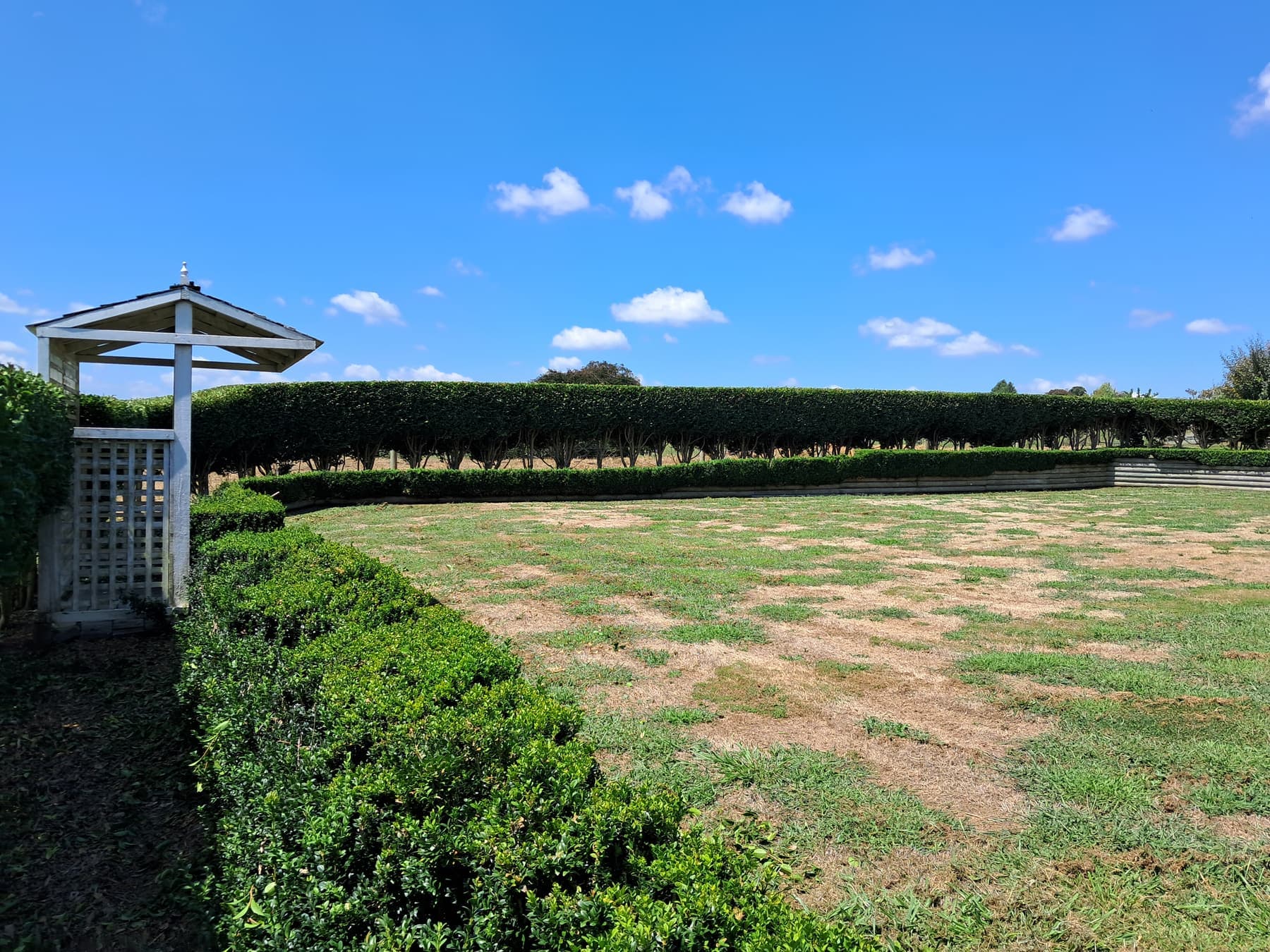
A professional approach considers the hedge species, its age, location, purpose and current condition. A formal buxus border needs a different finish from a sheltering griselinia screen, while a mature conifer hedge needs careful management to avoid cutting into old wood that may not regenerate.
The difference a properly shaped hedge makes
Well-trimmed hedges do more than look tidy. Their shape determines how they respond to light and how evenly they grow. In most cases, a hedge should be slightly wider at the base than the top. This subtle taper allows light to reach the lower foliage, helping prevent the sparse, woody base often seen on poorly maintained hedges.
Clean, sharp equipment also makes a real difference. Blunt blades tear foliage rather than cutting it cleanly, leaving ragged edges that can brown and look untidy. For a refined property finish, the work needs to be measured carefully from the outset, particularly along front boundaries, entrances, pool areas and prominent commercial frontages.
At Kerepark Lawns & Gardens, hedge work is approached as part of the wider property, not an isolated task. The team considers surrounding planting, lawn edges, access, views and the long-term maintenance requirements of the site. That helps ensure the hedge suits the garden rather than dominating it.
When should your hedges be trimmed?
There is no single trimming date that suits every Waikato hedge. Growth rate changes with species, rainfall, soil conditions, fertiliser use and the amount of sun the plant receives. However, regular light trims are usually better than infrequent heavy cuts.
Formal hedges often benefit from several trims during the active growing season to retain crisp lines. Informal screening hedges may need only one or two well-timed visits each year. Flowering hedges are different again: they are generally trimmed after flowering so the next season’s display is not removed before it has a chance to develop.
For many properties, the most practical option is a scheduled garden-maintenance programme. This removes the need to watch the calendar, organise equipment or find time for a job that can easily take a full weekend. It also means issues such as pest damage, weak growth, dead sections or obstructed access can be identified early.
Signs your hedge is overdue for attention
A hedge is ready for professional care when its outline has become uneven, lower branches are thinning, new growth is extending into driveways or paths, or it is beginning to shade garden beds that need more light. You may also notice that it looks dense on top but open at the bottom, which is often a sign that it needs a more considered recovery plan rather than another quick cut.
On commercial sites, appearance is only one factor. Overgrown hedges can affect sightlines near vehicle entrances, conceal signage, encroach on pedestrian areas and create avoidable maintenance concerns. Regular trimming supports a safer, more welcoming site for staff, visitors and customers.
Hedge trimming for different Waikato properties
Residential gardens often call for precision. A neatly finished hedge can lift the presentation of a home, frame a garden entrance or provide privacy around entertaining areas. On smaller sections, it is especially important to keep hedges in proportion, as even a modest increase in height or width can make a space feel enclosed.
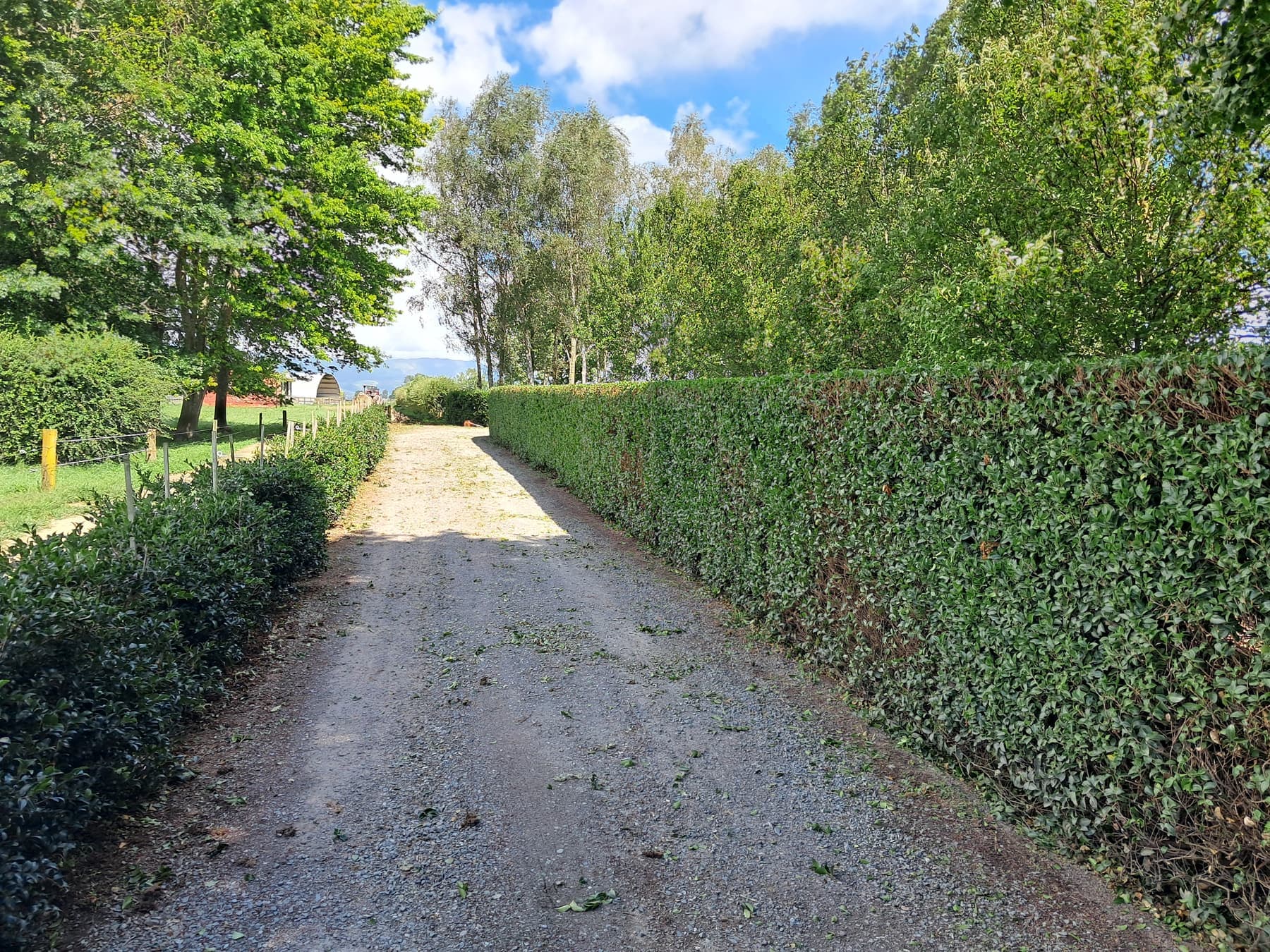
Lifestyle and rural properties tend to have different demands. Long shelterbelts, driveway hedges and established boundaries may require commercial-grade equipment, safe access planning and a team capable of managing substantial green waste. The goal is usually to preserve shelter and privacy while preventing the hedge from becoming too large to maintain efficiently.
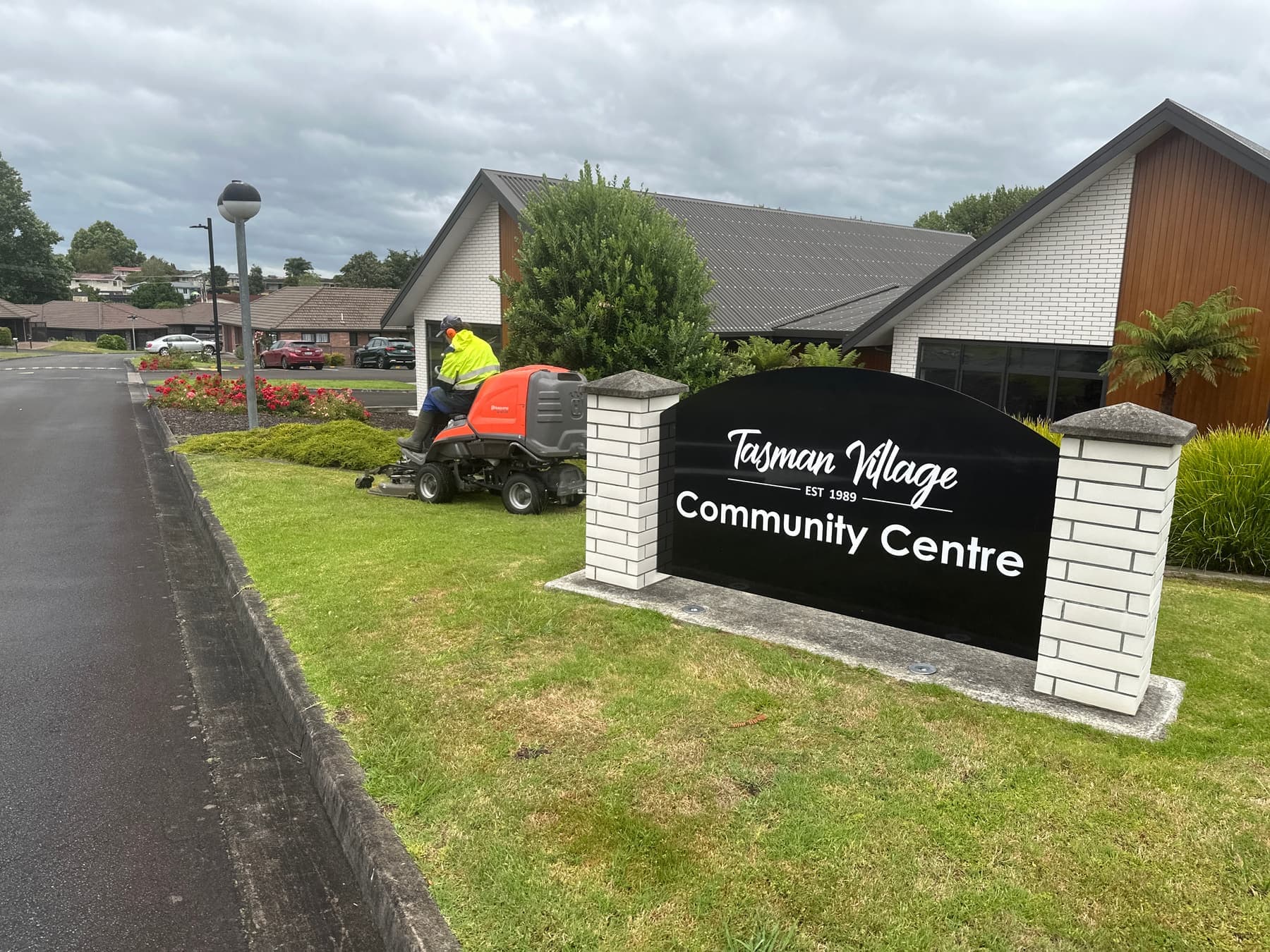
Commercial grounds need reliability and consistency. A neat, regularly serviced frontage says something positive about the business behind it. Property managers also benefit from one accountable provider who can coordinate hedge trimming with mowing, garden maintenance, pruning and general outdoor presentation.
What professional hedge care should include
Quality hedge trimming starts before the first cut. The team should assess the hedge’s condition, identify its purpose and agree on the desired height and shape. This is particularly valuable for mature hedges, where poor decisions can be difficult to reverse.
The work itself should include careful trimming, sensible management of clippings and a tidy finish around the work area. On larger or more complex properties, safe access is equally important. Tall hedges, sloping ground, roadside boundaries and work near buildings or services require the right equipment and experienced operators.
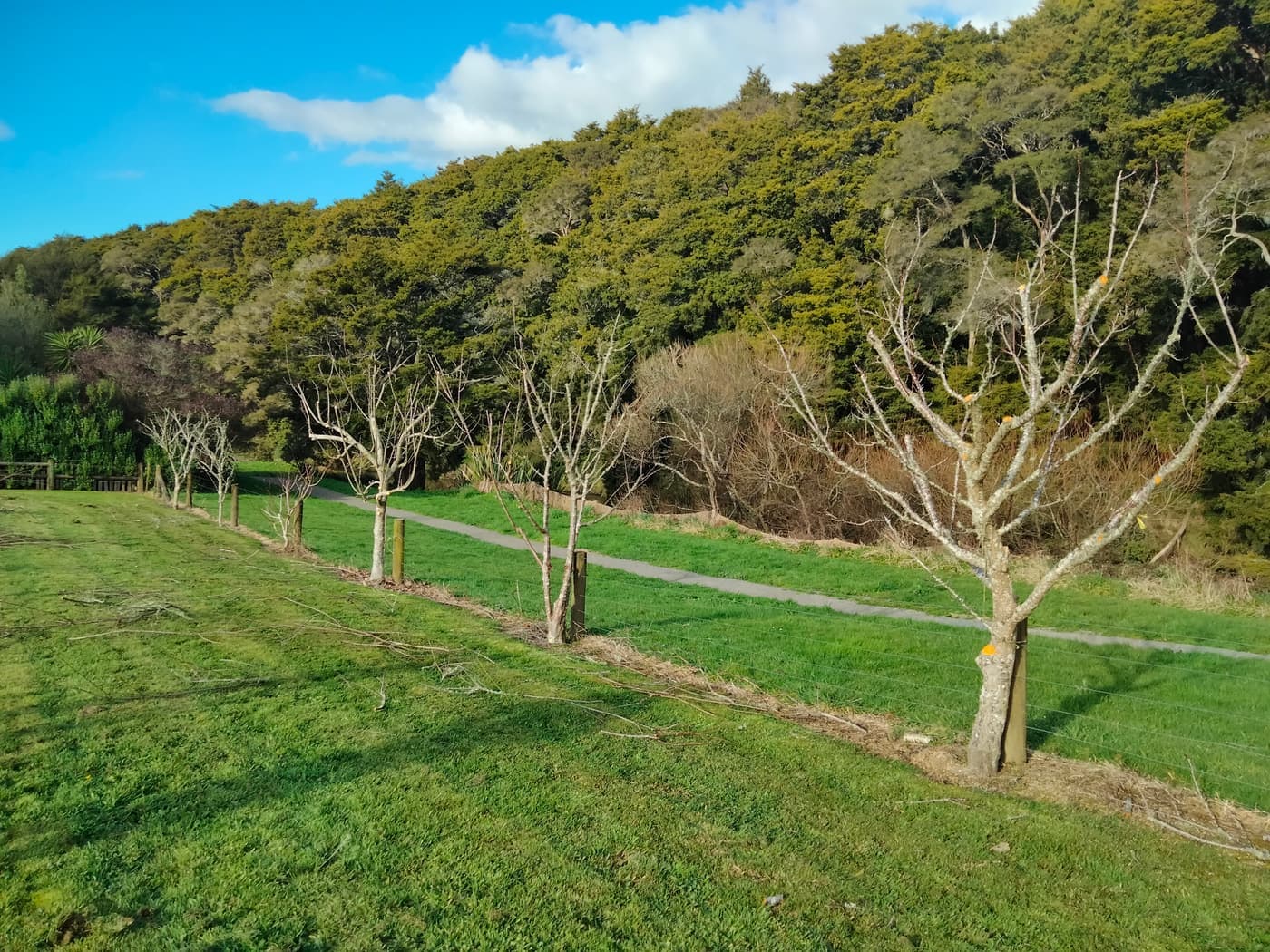
It is also worth discussing whether the hedge is at a sustainable size. Some hedges were planted too close to fences, buildings or paths, while others have simply outgrown their original role. A staged reduction may be more appropriate than a severe one-off cut. It takes longer, but it gives the plant a better chance to remain healthy and full.
Avoiding the false economy of a quick cut
A low-cost hedge trim can be tempting, particularly when the job looks straightforward. But an uneven line, damaged foliage, poorly managed clippings or an overly hard cut can leave a property looking worse than before. Corrective work is not always quick, especially where a hedge needs multiple growing seasons to fill back in.
The better value is a service that combines dependable scheduling, clear communication and attention to detail. That may mean planning regular visits through peak growth, adjusting timing around flowering varieties, or coordinating hedge work with broader garden care. The right plan depends on your property and the standard you want to maintain.
For homeowners who want their garden to remain a place to enjoy rather than another demanding chore, professional care provides consistency. For commercial and rural property owners, it provides confidence that the grounds will remain presentable, accessible and properly managed.
A well-kept hedge supports the whole landscape
Hedges are often the largest living feature in a garden, so their condition influences everything around them. A tidy boundary creates a cleaner backdrop for flowering beds. A correctly sized screen preserves sunlight and sightlines. A healthy, dense hedge gives privacy without making the property feel closed in.
If your hedges are beginning to lose their shape, do not wait until they need drastic work. A planned trim now can protect their health, restore order to the garden and make ongoing maintenance far more straightforward. The most enduring landscapes are cared for steadily, one well-timed visit at a time.