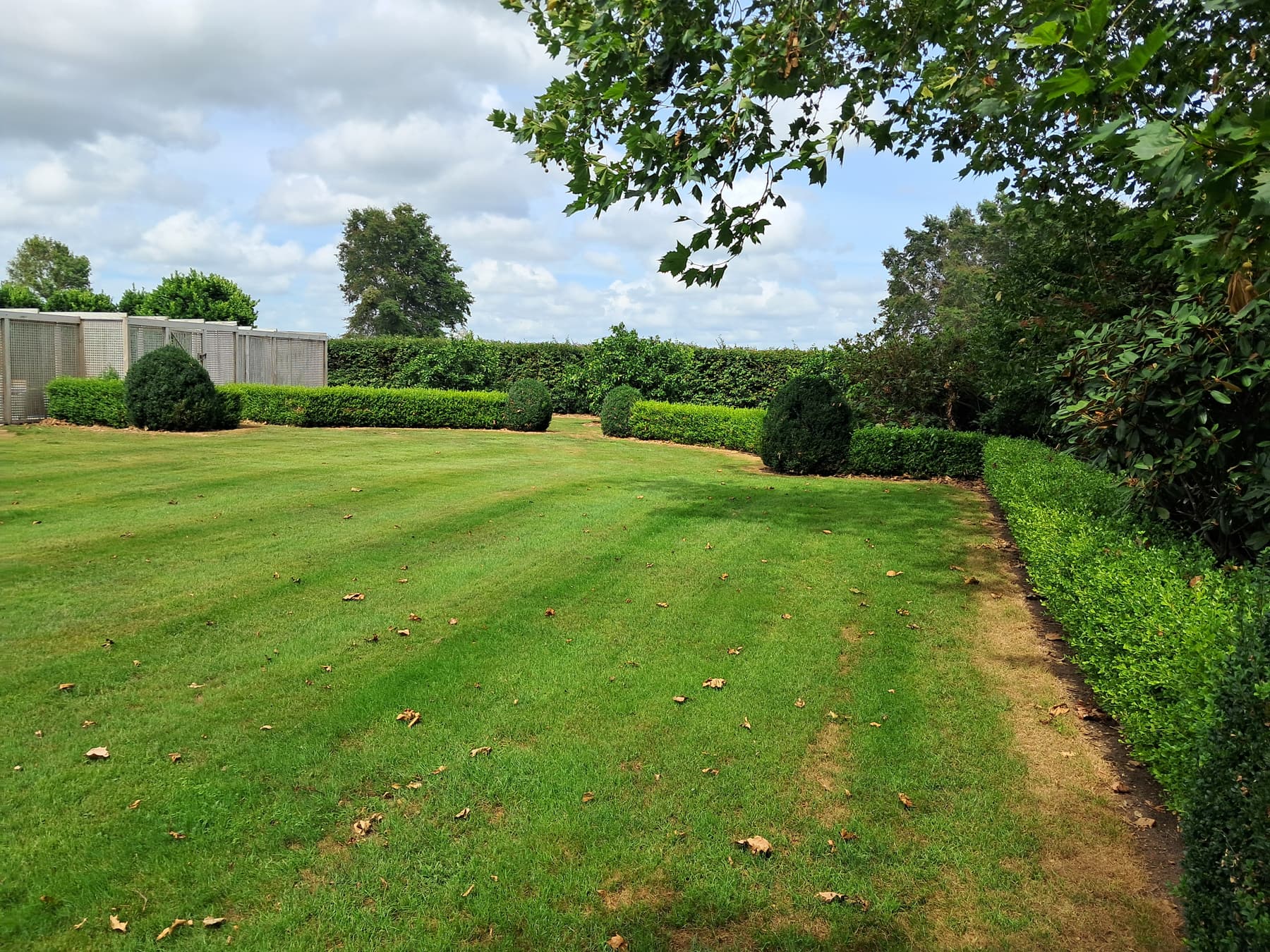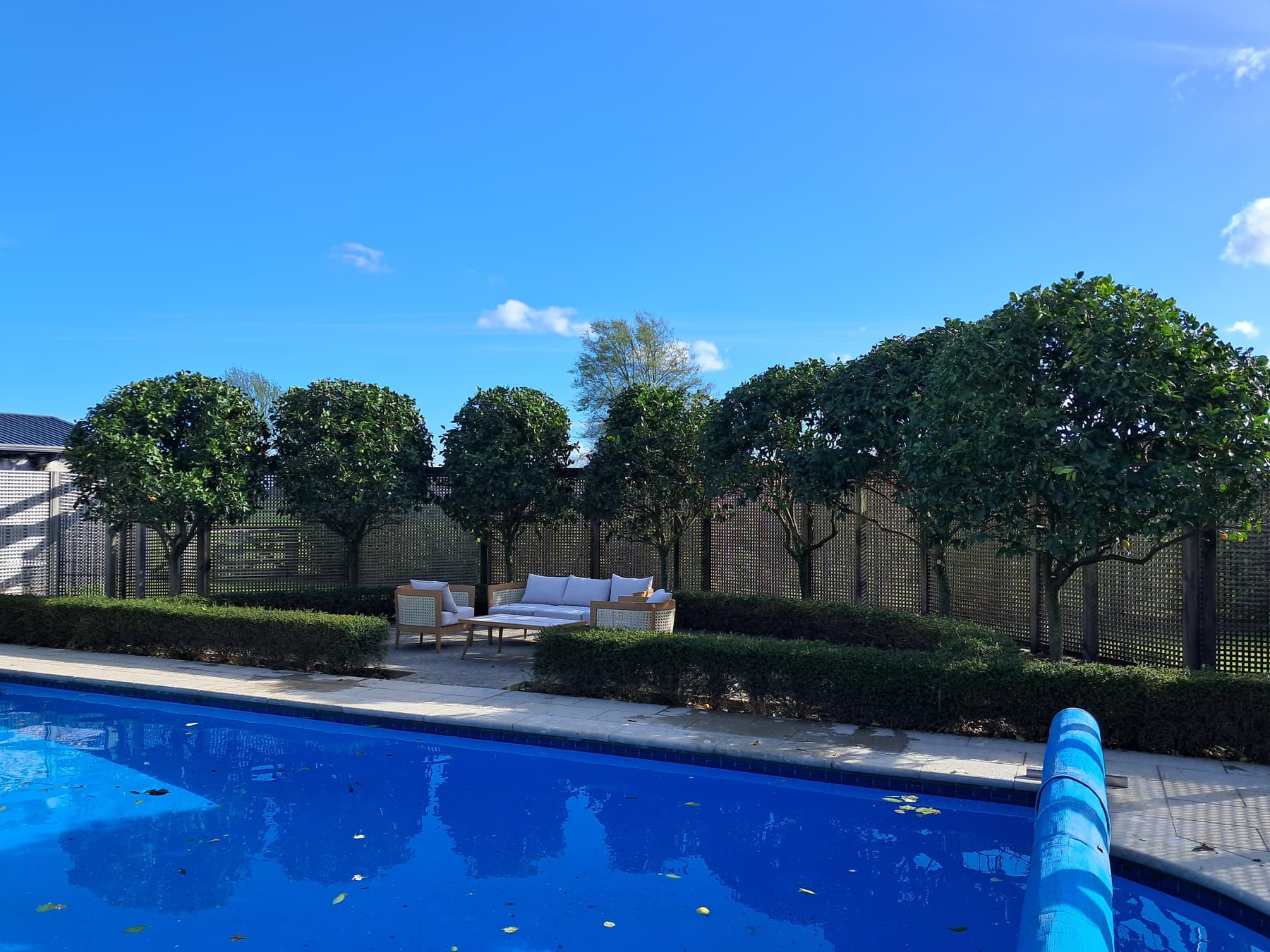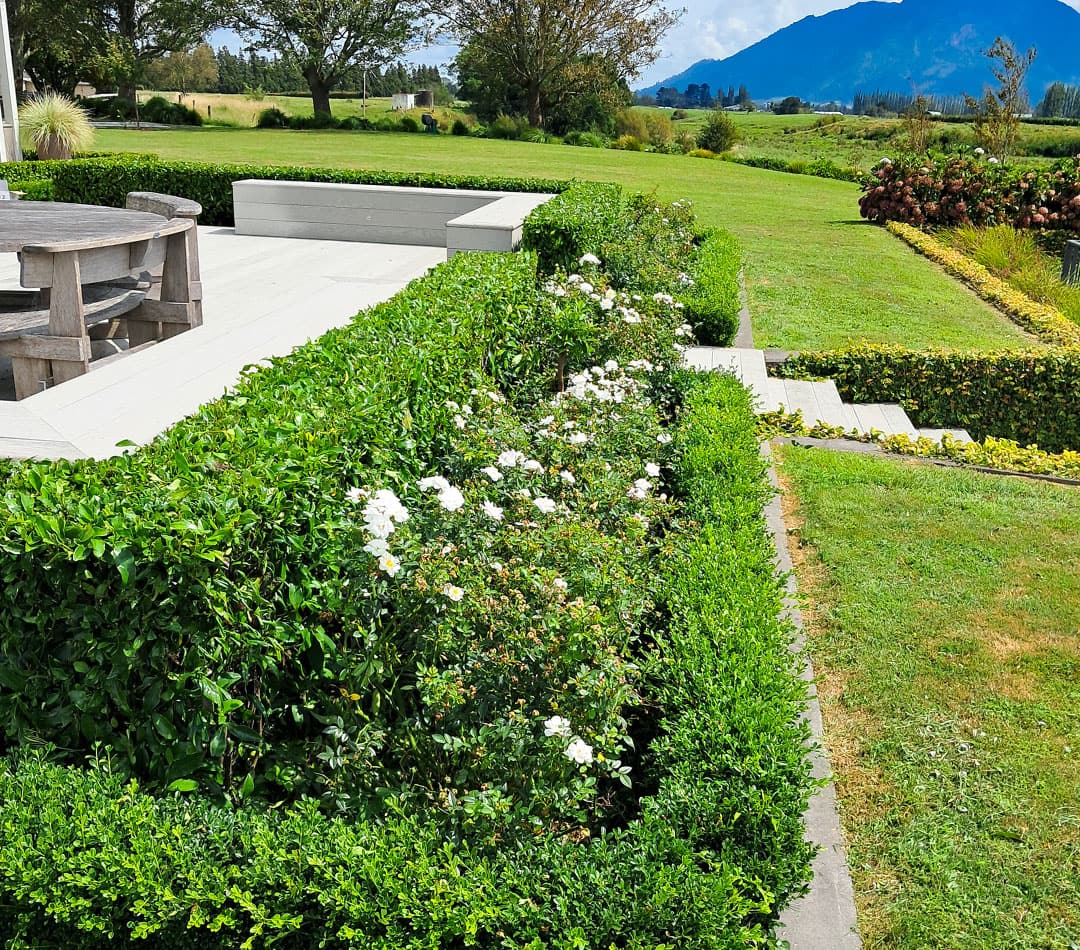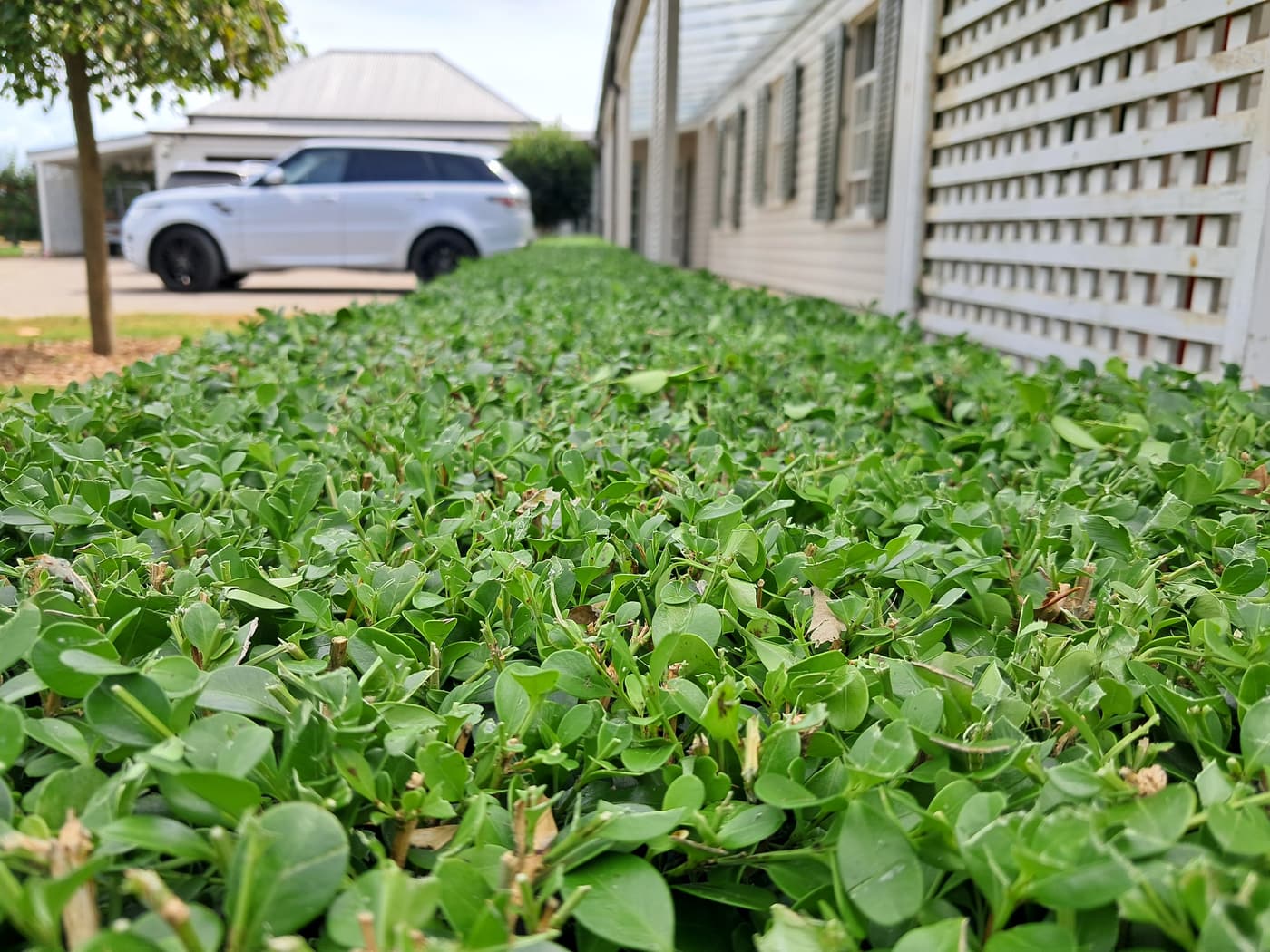
A lifestyle property should feel generous, not demanding. Yet on larger Waikato sections, the things that make a place appealing - open lawns, established trees, paddocks, long driveways, shelter belts and productive gardens - can quickly become difficult to manage when they have not been planned as one connected outdoor environment.
Lifestyle property planning is the process of making the whole property work together. It considers how you arrive, move through the grounds, entertain, maintain gardens, manage water and enjoy the view, while allowing for the time and investment required to care for each area properly. The best result is not simply an attractive landscape on completion. It is a property that remains tidy, healthy and useful through changing seasons.
Start with how the property needs to work
Every lifestyle block has different priorities. A retired couple may want beautiful gardens and level paths without the burden of extensive weekly upkeep. A busy family may need durable lawn areas, safe outdoor spaces for children and room for vehicles, pets or equipment. A rural property owner may be balancing a formal entrance, orchard care, shelter planting and practical access to sheds or paddocks.
Before choosing plants, paving or garden features, establish how the property will be used day to day. Think about where visitors park, which entrance is used most often, where mud gathers in winter and which parts of the garden are visible from the house. Consider servicing too: can mowing equipment, trailers and contractors reach the areas that need attention without crossing delicate lawn or garden beds?
This early thinking prevents a common problem: a landscape that looks impressive from one angle but is awkward to live with. Well-planned grounds make everyday tasks simpler, from bringing in groceries to pruning fruit trees or hosting guests outdoors.
Divide large grounds into clear outdoor zones
A lifestyle property does not need every hectare to receive the same level of finish. In fact, treating all areas equally often creates unnecessary maintenance and expense. A more considered approach is to organise the grounds by purpose and level of care.
The area close to the home usually deserves the greatest detail. This is where considered planting, quality edging, lawns, patios and entertaining spaces have the most impact. It is also the part of the property you see and use most often.
Further out, the landscape can become more functional. This may include orchard areas, specimen trees, screening, paddock boundaries, utility spaces, lower-maintenance planting or broad mown areas. The transition should feel intentional rather than abrupt. Repeating selected plant types, materials or lines can connect formal garden areas with the wider rural setting.
A clear zone plan also helps establish realistic maintenance routines. Fine garden beds near the house may suit regular detailed care, while boundary planting and larger lawn areas can be maintained on a different schedule. This protects the quality of the finished landscape without committing you to more work than the property genuinely needs.
Give arrival areas the attention they deserve
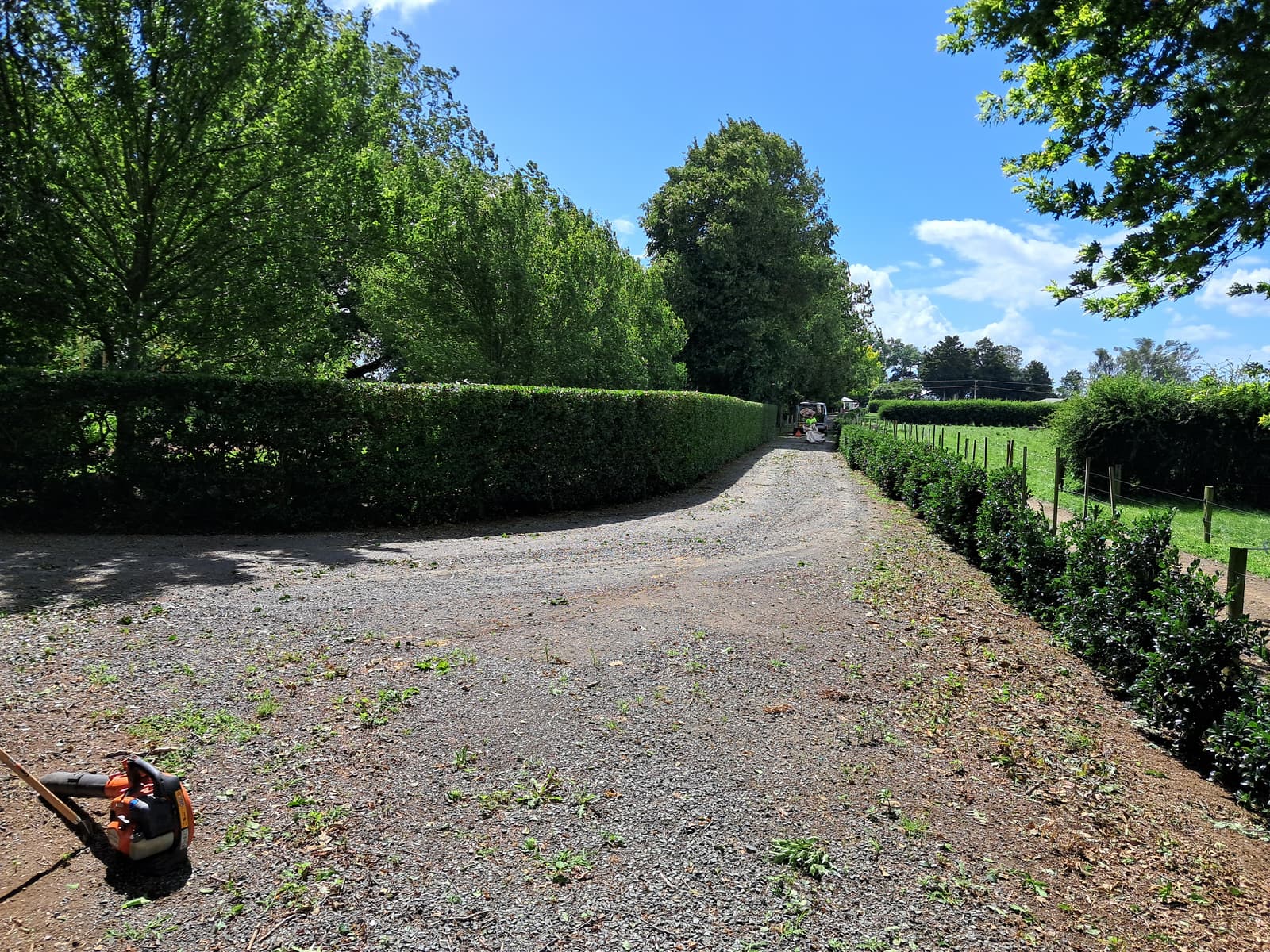
The driveway and entry set expectations for the entire property. On a large site, this is also where practical decisions matter most. Adequate turning space, durable surfaces, drainage and planting that does not obstruct sightlines should be resolved before decorative details are added.
A strong entrance does not have to be overly formal. It may be a tidy, well-defined drive framed by resilient planting, established hedging or carefully placed trees. What matters is that it feels welcoming, suits the architecture of the home and remains manageable as plants mature.
Plan for Waikato conditions, not a catalogue image
A planting plan should respond to the site rather than follow a trend. Waikato properties can experience wet winter ground, warm summers, exposed areas, frost pockets and wind depending on their location and aspect. Soil condition, drainage and existing vegetation all influence what will perform well over time.
This is why site assessment matters. A plant that looks excellent in a sheltered town garden may struggle on an exposed lifestyle block. Likewise, planting too densely for an instant result can lead to overcrowding, poor airflow and expensive corrective pruning later.
Choose plants for their mature size, resilience and purpose. Screening plants need enough room to develop without consuming driveways or views. Trees should be positioned with their eventual canopy, root zone and future maintenance in mind. Productive planting, such as fruit trees, needs access for pruning, spraying where appropriate, harvesting and lawn care around the base.
Native planting can offer structure and toughness in the right conditions, while flowering perennials, hedges and specimen plants bring colour and character closer to the home. The most successful gardens use this mix carefully, with seasonal interest balanced against the practical reality of looking after it.
Drainage and access should come before finishing touches
Poor drainage can undermine an otherwise excellent landscape. Water that sits around lawns, driveways, patios or building edges creates muddy access, damaged turf and ongoing frustration. On lifestyle properties, drainage planning should look beyond one wet patch and consider how water moves across the wider site.
Grading, swales, drains and suitable surface materials may all have a role. The right solution depends on the land, existing infrastructure and intended use of the area. It is far easier and more cost-effective to address these fundamentals before new lawn, paths or planting are installed.
Access deserves the same attention. Paths should follow the routes people actually take, not merely where they look best on a plan. A route to the clothesline, garden shed, gate or entertaining area should remain safe and usable after heavy rain. Where vehicles or machinery need entry, surfaces and widths should be designed for that purpose from the outset.
Design with maintenance built in
The most valuable landscapes are designed to be maintained, not just photographed after installation. This does not mean settling for a plain property. It means choosing a level of complexity that suits your available time, budget and preferred standard of presentation.
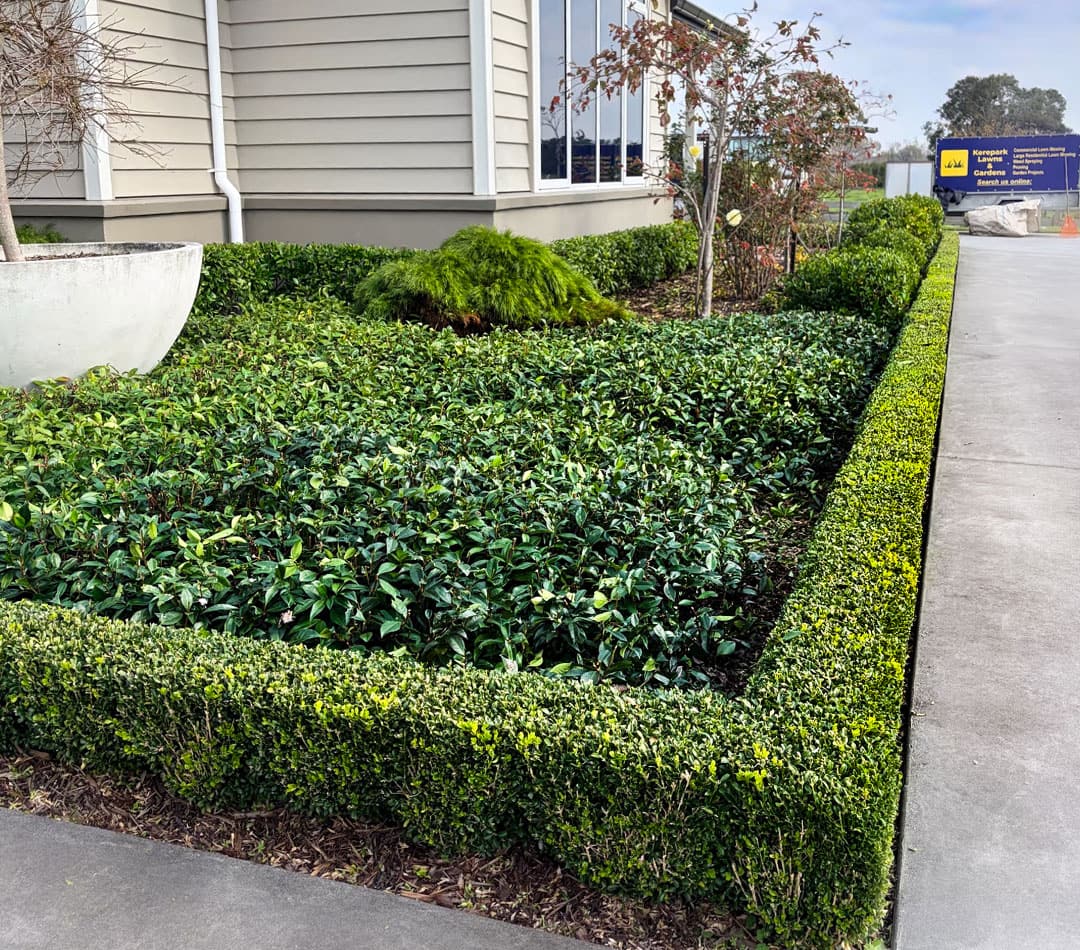
For example, formal hedging can create a refined and structured look, but it requires regular trimming to stay sharp. Large lawns provide useful open space, though mowing time and access need to be considered. Extensive garden beds can look exceptional when planted and mulched well, but they need seasonal weeding, feeding, pruning and replanting.
There are practical ways to reduce unnecessary work without compromising quality. Use generous bed shapes that can be mown around easily. Allow enough space around trees and hedges for equipment access. Install durable edging to keep lawns and garden beds distinct. Select groundcovers and mulches that suppress weeds and retain moisture. Most importantly, avoid creating narrow, hard-to-reach spaces that demand hand work every week.
A professional maintenance plan can then protect the investment. Regular garden care catches issues early, keeps hedges and trees in proportion, maintains healthy soil and ensures the property continues to look cared for rather than gradually becoming overwhelming.
Think in stages, but work from one master plan
Many property owners do not want, or need, to complete every improvement at once. Staging is often the sensible approach, particularly on larger grounds. The key is to stage work according to a complete master plan rather than making isolated decisions each year.
Start with the elements that affect everything else: drainage, major earthworks, driveways, access, services and structural planting. Next, establish the spaces closest to the home, where you will gain the most immediate enjoyment. Features such as outdoor entertaining areas, front gardens, lawns, screening and orchards can then be completed in a sequence that suits your budget.
A coordinated design-build-maintain approach gives each stage a clear purpose. It also avoids costly rework, such as removing newly planted gardens to install drainage or rebuilding paths because service access was overlooked.
Choosing support for lifestyle property planning
Larger properties benefit from a team that can look beyond individual jobs. A new garden bed, a hedge-trimming visit or a driveway upgrade may each be worthwhile, but their full value comes from fitting them into a coherent plan for the grounds.
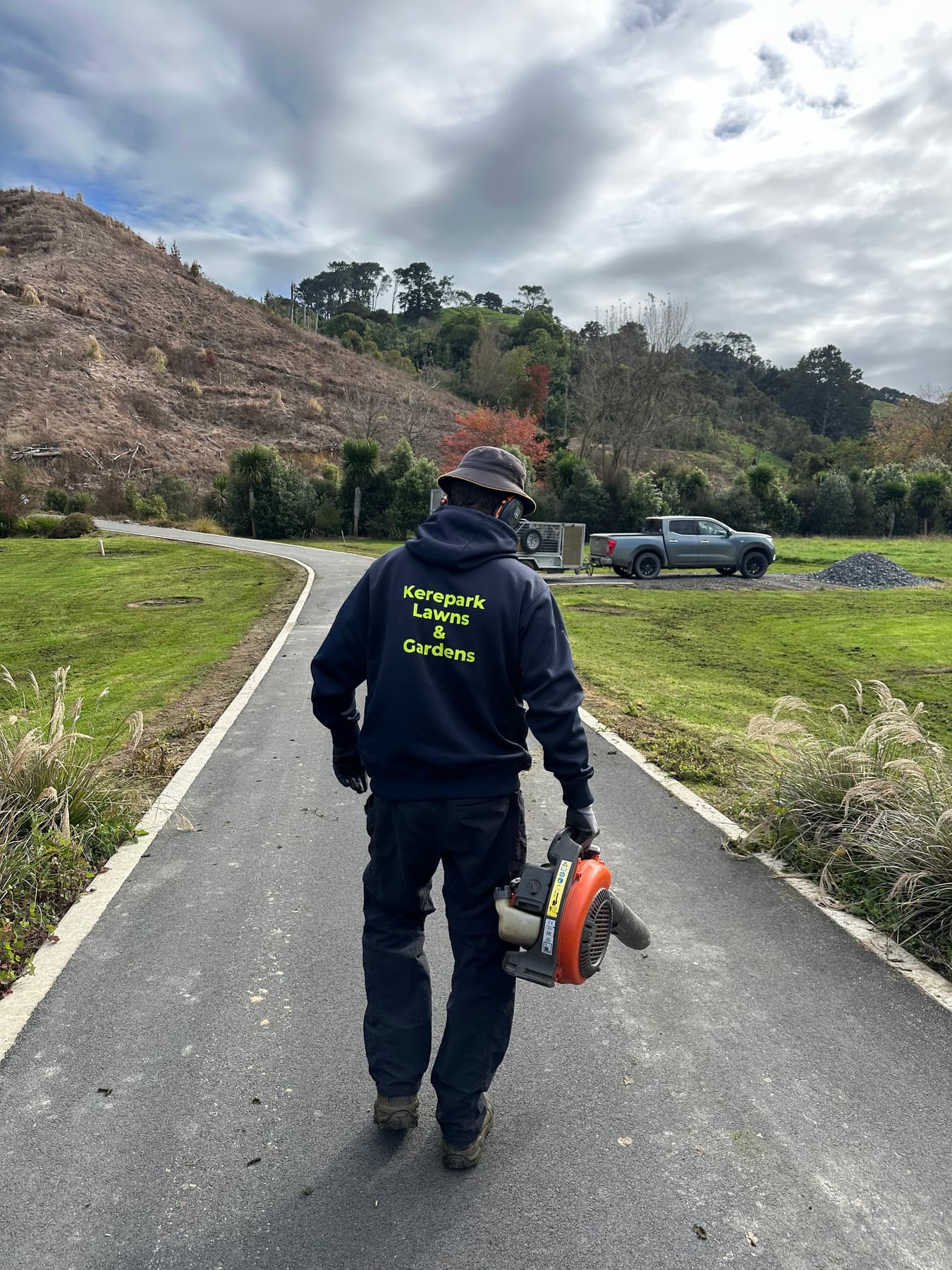
Kerepark Lawns & Gardens works with property owners across the Waikato to design, build and maintain outdoor environments with this long-term view in mind. Clear communication, practical site knowledge and ongoing care matter because a lifestyle property is never truly finished - it grows, changes and needs thoughtful stewardship.
If your grounds are becoming harder to manage, begin by walking the property with fresh eyes. Notice where access is awkward, where water lingers, which views deserve framing and which areas take more effort than they return. Those observations are often the first step towards a property that serves your life beautifully for years to come.