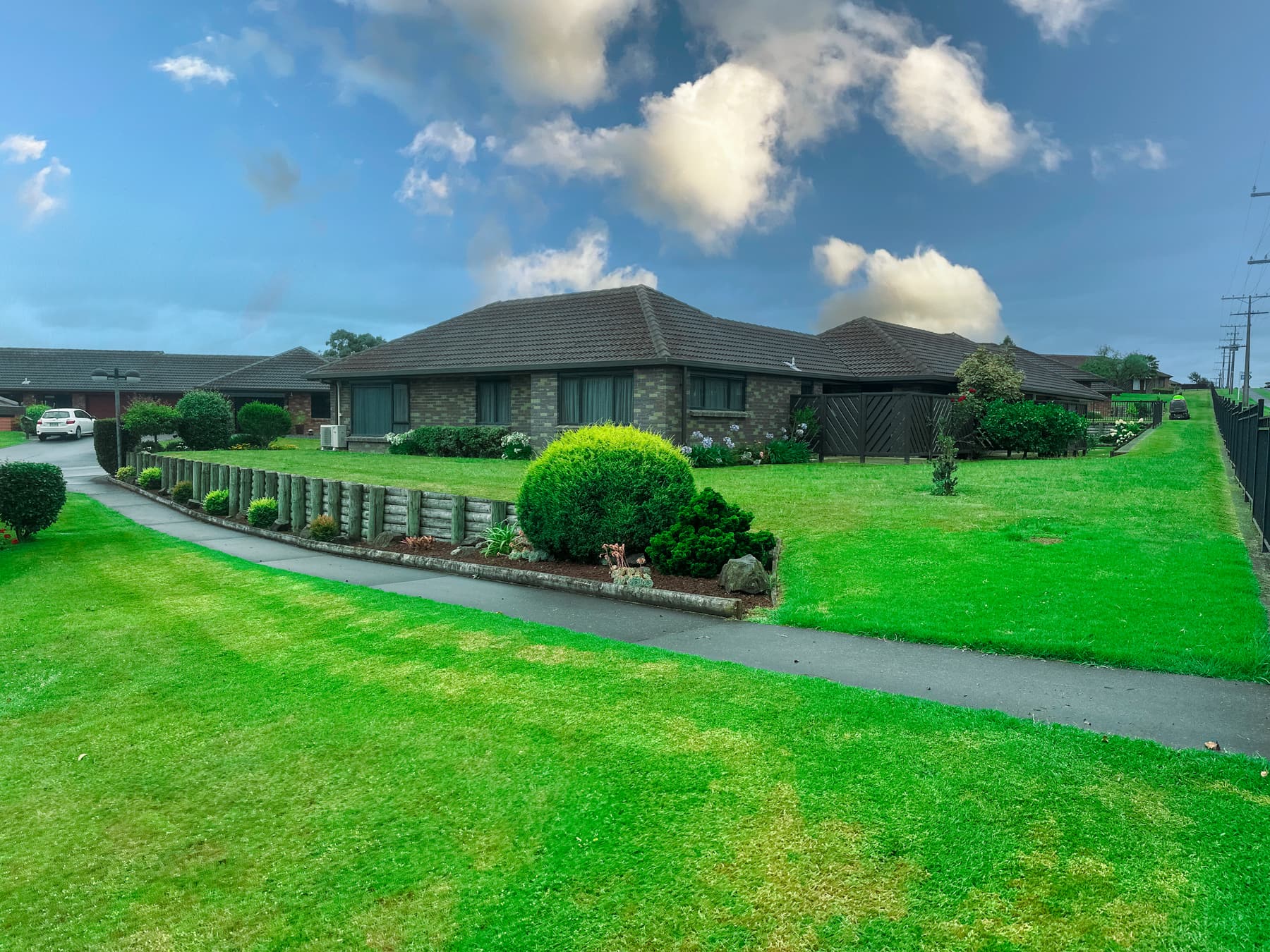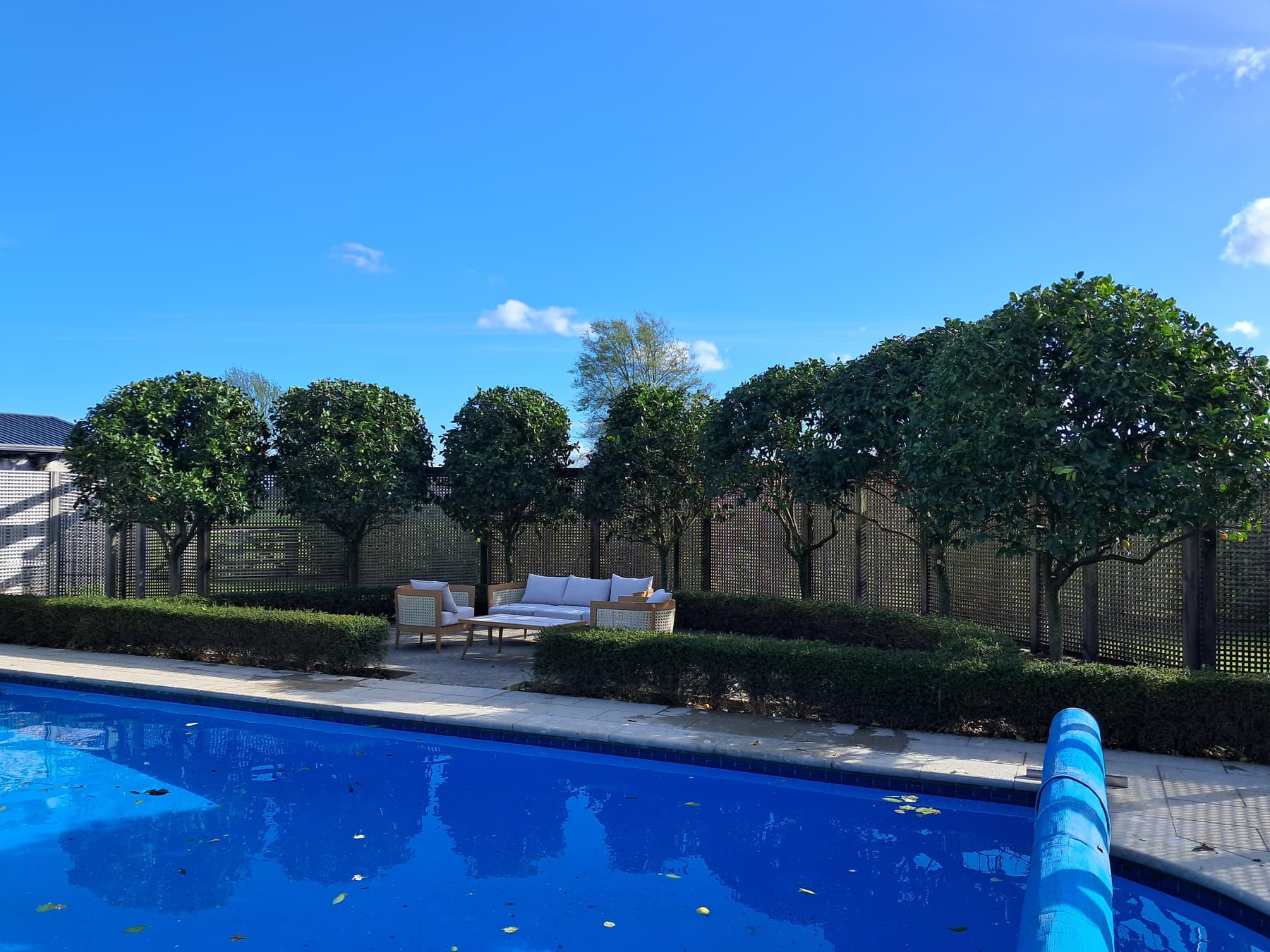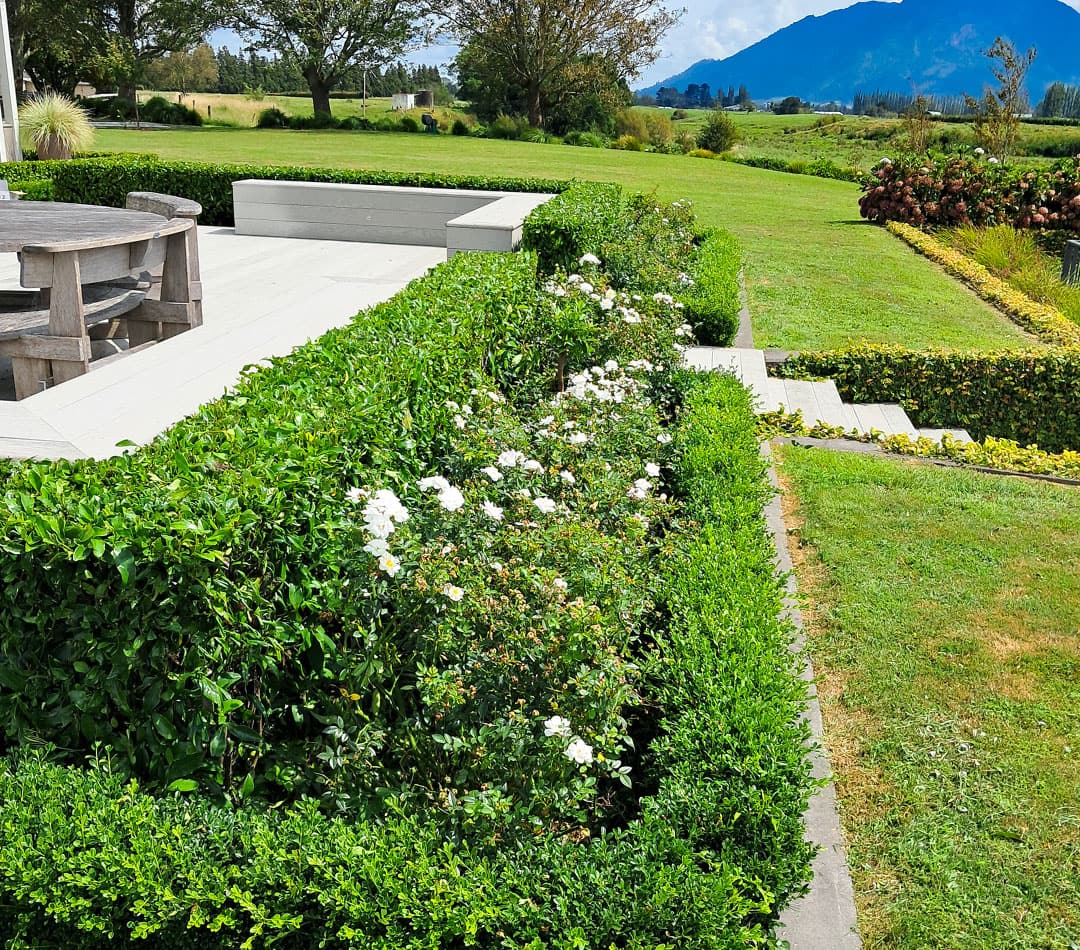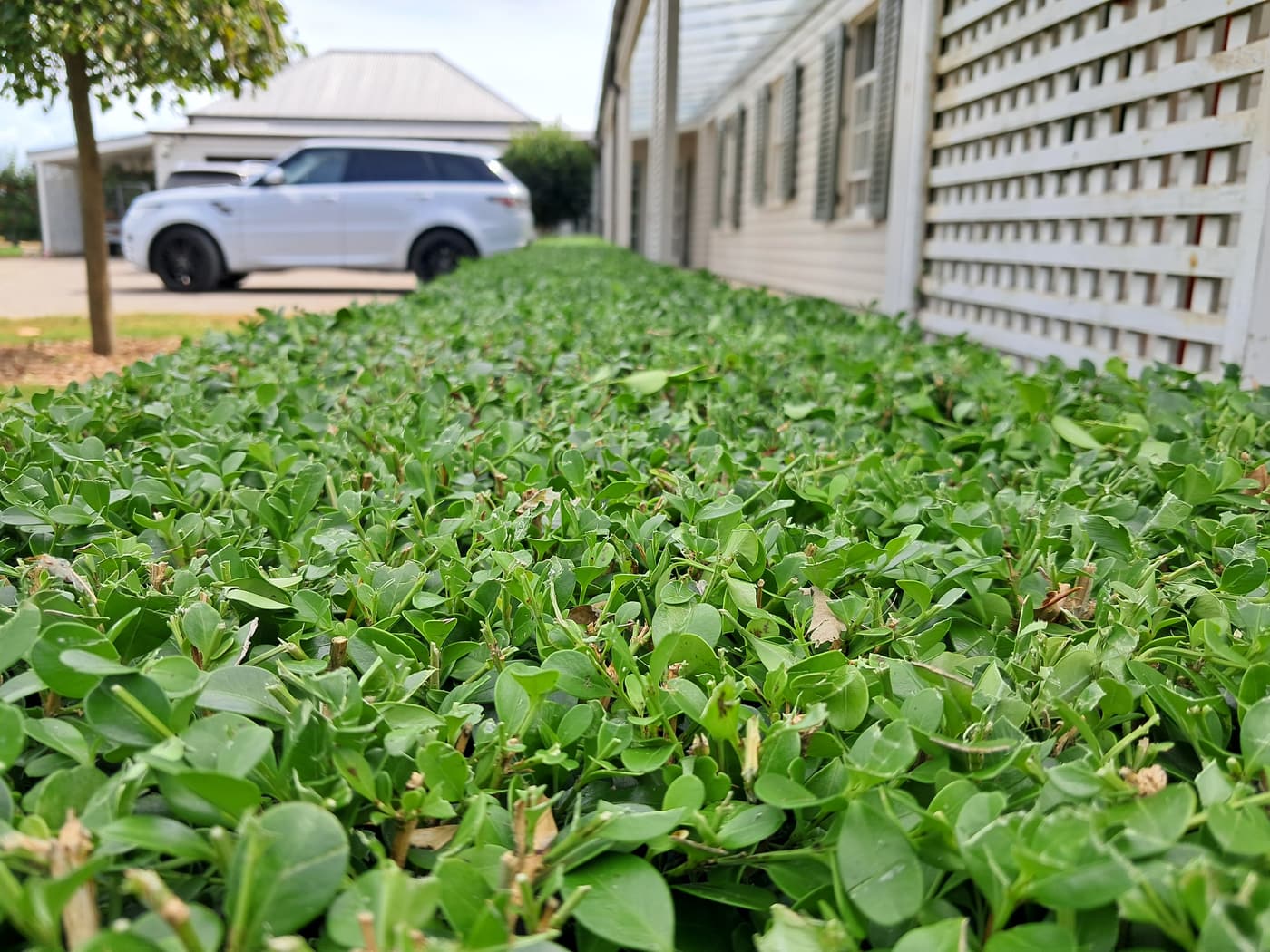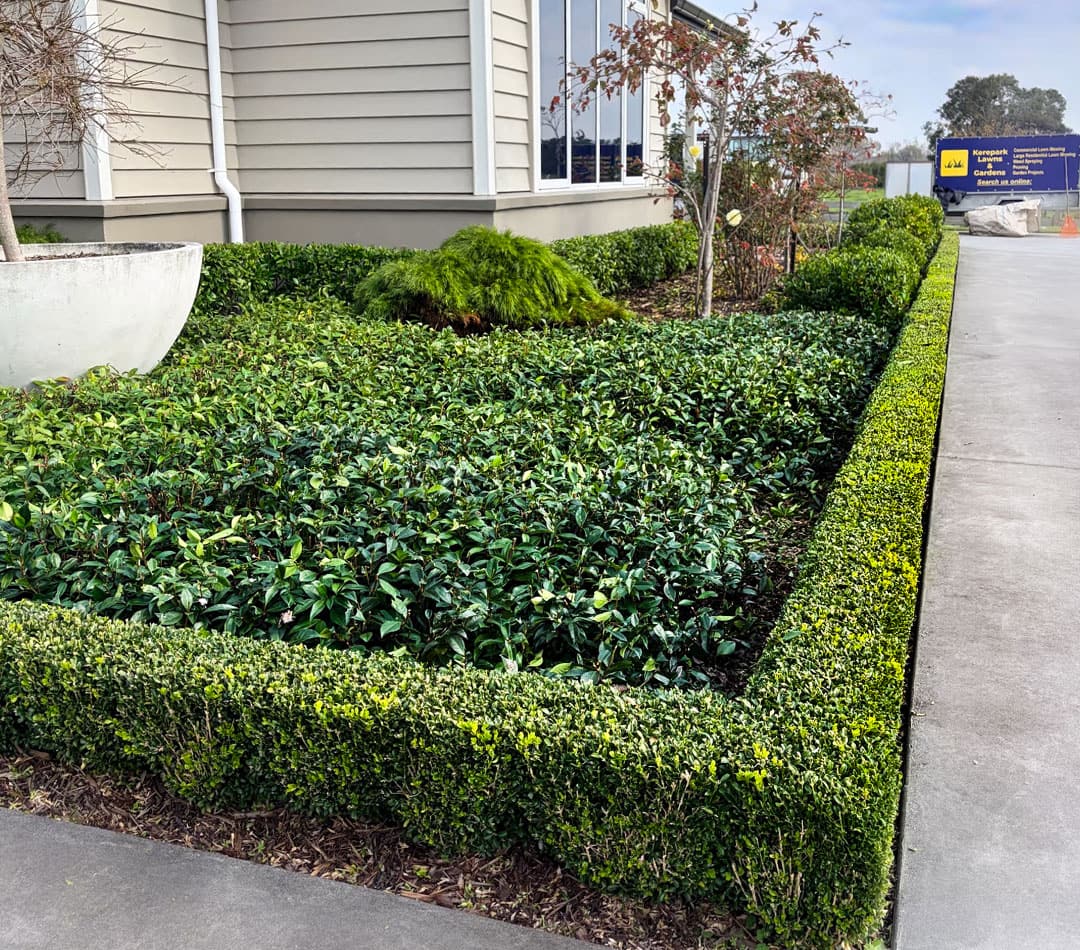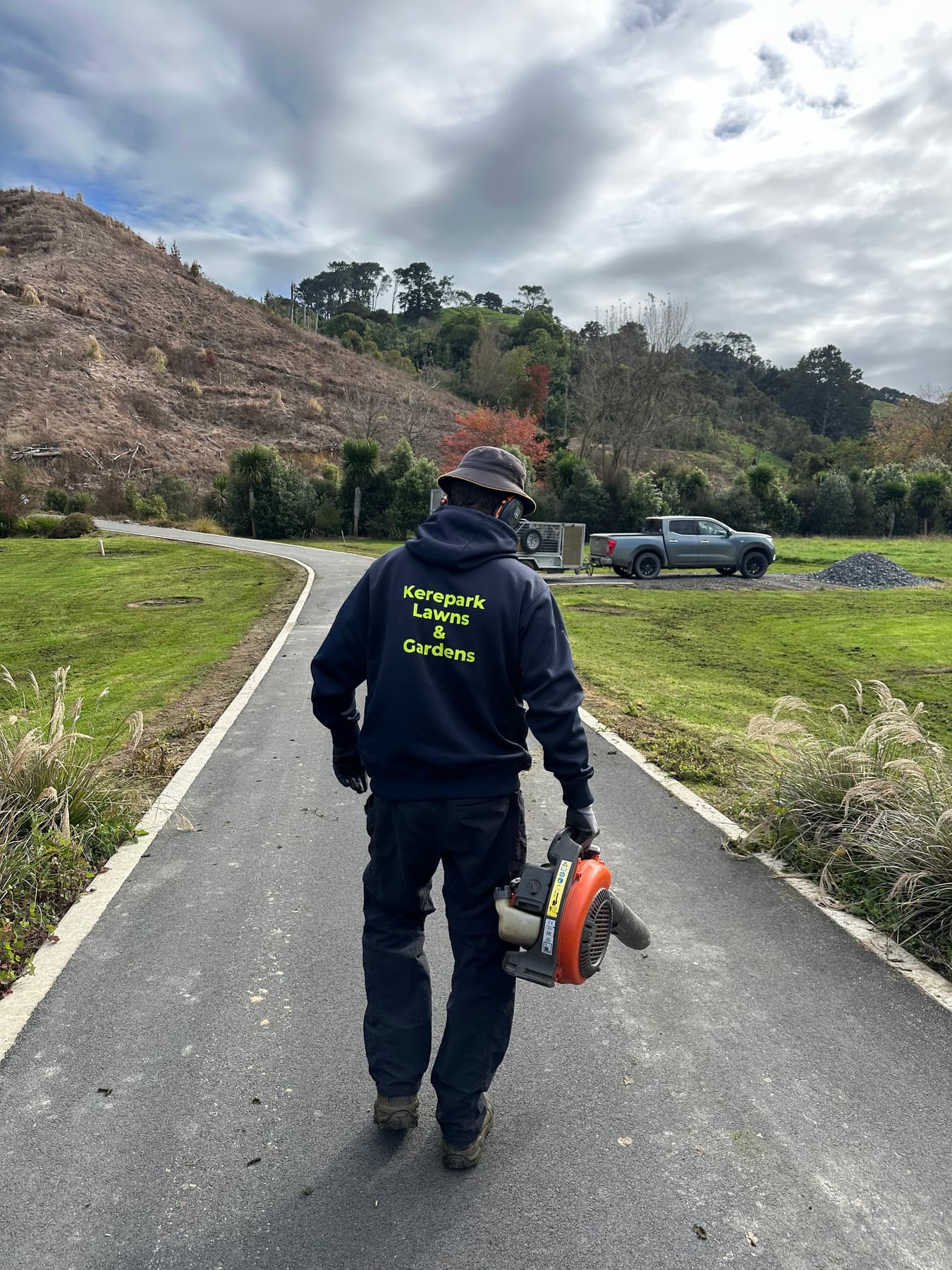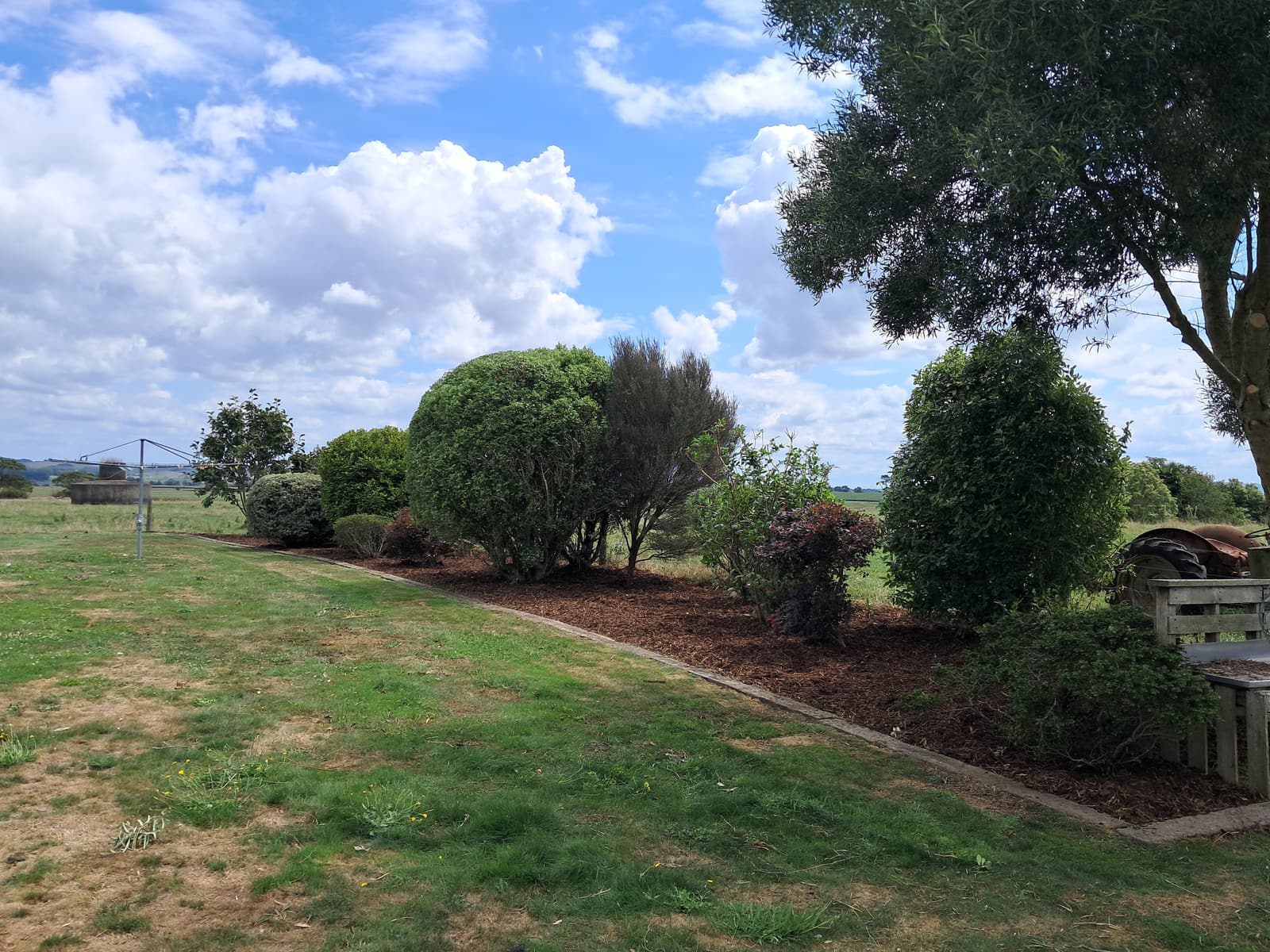
A commercial landscape transformation is rarely just about making a site look better. For a Waikato business, school, rural enterprise, retail premises or managed property, the grounds shape first impressions, influence safety and affect the time required to keep the site presentable. The strongest result is not a quick tidy-up. It is an outdoor environment planned around how the property operates, built to last and cared for properly after the final plant goes in.
At Kerepark Lawns & Gardens, we approach commercial grounds as a long-term asset. That means considering the condition of the site today, the people using it every day, the practical demands of the seasons and the level of care needed to keep it looking right years from now.
What a commercial landscape transformation should achieve
Commercial sites need to work hard. Entrances should feel welcoming without becoming difficult to maintain. Lawns need to stay tidy through periods of strong growth. Paths, edges and planted areas should guide people safely through the property, while trees and hedges need enough room and regular care to remain healthy.
A well-planned transformation brings these needs together. It can improve a tired frontage, replace inconsistent garden areas, create clearer access around buildings, establish more useful outdoor spaces or bring neglected grounds back under control. For properties with extensive lawns, mature hedges, orchards or rural boundaries, the work may also involve setting up a realistic maintenance programme from the outset.
Visual impact matters, but it should not come at the expense of practical performance. A heavily planted scheme may look impressive at handover, yet become costly if it needs frequent trimming, specialist watering or repeated replacement. Conversely, a bare, low-cost solution may save money initially but leave a business looking poorly cared for. The right balance depends on the site, its use and the standard the property needs to maintain.
Start with the way the property is used
The best commercial landscape transformation begins before machinery arrives on site. A clear assessment considers traffic flow, vehicle access, staff and visitor movement, visibility at entrances, drainage, existing services, sun and shade, soil condition and areas that repeatedly become untidy or difficult to mow.
A commercial office or retail site may need a clean arrival sequence, controlled planting around signs and car parks, and grounds that present well between regular visits. A rural business or lifestyle enterprise may require more extensive mowing, shelter planting, hedge management, orchard care and durable access routes. Multi-use properties often need both: formal areas close to buildings and efficient, manageable grounds beyond them.
This early planning prevents common problems later. Planting too close to buildings can create maintenance and moisture issues. Trees placed without considering mature size can obstruct sightlines or services. Lawn areas with poor drainage can become muddy, sparse and difficult to mow. Addressing these factors in the design stage is usually more cost-effective than correcting them once construction is complete.
Design for the Waikato climate and site conditions
Waikato landscapes experience strong seasonal growth, wet periods and dry spells that can place very different demands on lawns and gardens across the year. Plant selection needs to reflect the site rather than follow a one-size-fits-all style.
The most suitable plants are not always the most dramatic ones at the nursery. They are the varieties that can establish successfully in the available soil, light and moisture conditions, cope with exposure where needed, and respond well to the intended level of maintenance. This is especially relevant around commercial buildings, where reflected heat, compacted ground and restricted root space can make conditions tougher than they appear.
Good design also plans for change. Young plants need room to mature, clear edges need to remain accessible, and irrigation or drainage systems should be positioned so future work does not mean digging up established gardens. A landscape should improve as it fills out, not become crowded and complicated.
Build quality into the parts people do not immediately see
Finished gardens receive attention, but much of a landscape's durability is determined below ground and behind the visible details. Proper site preparation, soil improvement, drainage, edging and construction methods all affect how well lawns, planting and hard surfaces perform over time.
This is where cutting corners can be expensive. Poorly prepared ground can lead to uneven lawn growth and planting failures. Inadequate drainage can damage accessways and create standing water. Weak edging allows garden beds to lose definition, while poorly installed features may need early repair. These issues can make a property look neglected even when regular maintenance is being carried out.
A coordinated design-and-build team has a practical advantage here. The people responsible for constructing the landscape understand the intended finish, and the people maintaining it can identify what will make ongoing care more efficient. Rather than treating each stage as a separate job, the work is considered as one connected property outcome.
Maintenance is what protects the investment
A commercial transformation should include a realistic plan for what happens next. Even a carefully built landscape will lose its quality without consistent mowing, pruning, weeding, feeding, seasonal clean-ups and plant health monitoring.
The required frequency varies. A highly visible frontage may need regular attention to retain a polished standard, while outer grounds may be maintained on a broader schedule. Hedges should be trimmed at the right time for their species and desired shape. Trees require considered care, not indiscriminate cutting, and fruit trees benefit from correct seasonal pruning to support health and production.
Regular maintenance also makes property management easier. Instead of waiting until lawns are overgrown, gardens are weed-heavy or branches have become a concern, a scheduled service keeps the site under control. Problems are more likely to be noticed early, when a practical adjustment can prevent a larger repair or replacement job later.
For busy property and operations managers, this consistency is often as valuable as the transformation itself. They need to know the grounds will be attended to reliably, communication will be clear and the work will be completed with respect for tenants, customers, staff and the property.
Where transformation delivers the greatest value
The return on landscape work is not limited to appearance. A tidy, healthy site helps a business present itself with confidence. It can make entrances easier to navigate, reduce trip hazards from overgrown edges or uneven areas, improve sightlines and give staff or visitors a more pleasant environment.
It can also reduce wasted effort. Reworking awkward garden beds, correcting poor mowing lines, simplifying high-maintenance planting and improving access can make recurring property care more efficient. This does not always mean removing detail. It means placing detail where it has the greatest effect and using more practical solutions where grounds are large or exposed.
There are occasions when a full redesign is not necessary. If the structure of the landscape is sound, targeted improvements to planting, hedges, lawn condition, drainage or entrance areas can create a substantial lift. On the other hand, sites with tired materials, failing planting, poor access and no clear maintenance strategy often benefit from a more comprehensive plan. An on-site assessment helps determine which approach offers better long-term value.
Choose one accountable team
Commercial grounds can involve multiple moving parts: planning, earthworks, planting, lawn establishment, outdoor construction, mowing, hedge trimming and tree care. Managing separate contractors for every element can create gaps in responsibility and inconsistent results.
Working with one capable team from design through to maintenance provides continuity. The original intent is understood, work can be sequenced properly, and ongoing care is informed by how the site was built. It also gives property owners and managers a clear point of contact when priorities change or new work is needed.
For commercial properties across Morrinsville, Matamata, Piako, Te Aroha, Matangi, Tamahere and the wider Waikato, the goal is straightforward: grounds that represent the business well and remain manageable in every season. A considered consultation is the right place to begin, with a close look at what the property needs now and what it should deliver in the years ahead.
The most valuable next step is not choosing plants from a catalogue. It is walking the site with a practical eye, identifying what is holding it back and setting a standard of care that can genuinely be sustained.