A new garden can look straightforward on a plan: a lawn, some planting, a path and perhaps a patio. On site, those elements only perform well when the ground beneath them has been prepared properly, water has somewhere to go, materials are selected for the setting, and every finish is installed with care. So, what does landscape construction include? It is the practical work that turns a considered outdoor design into a durable, usable property environment.
For Waikato homes, lifestyle blocks and commercial properties, the scope can range from reshaping a small front garden to building complete outdoor areas around a new home. The right inclusions depend on the site, the intended use, soil conditions, access, drainage and the level of ongoing care the owner wants to commit to.
What Does Landscape Construction Include on Your Property?
Landscape construction is more than putting plants in the ground. It brings together site preparation, construction, planting and finishing work so the entire space works as one. A quality project begins with understanding how people will use the property, then building the foundations that make the visible result last.
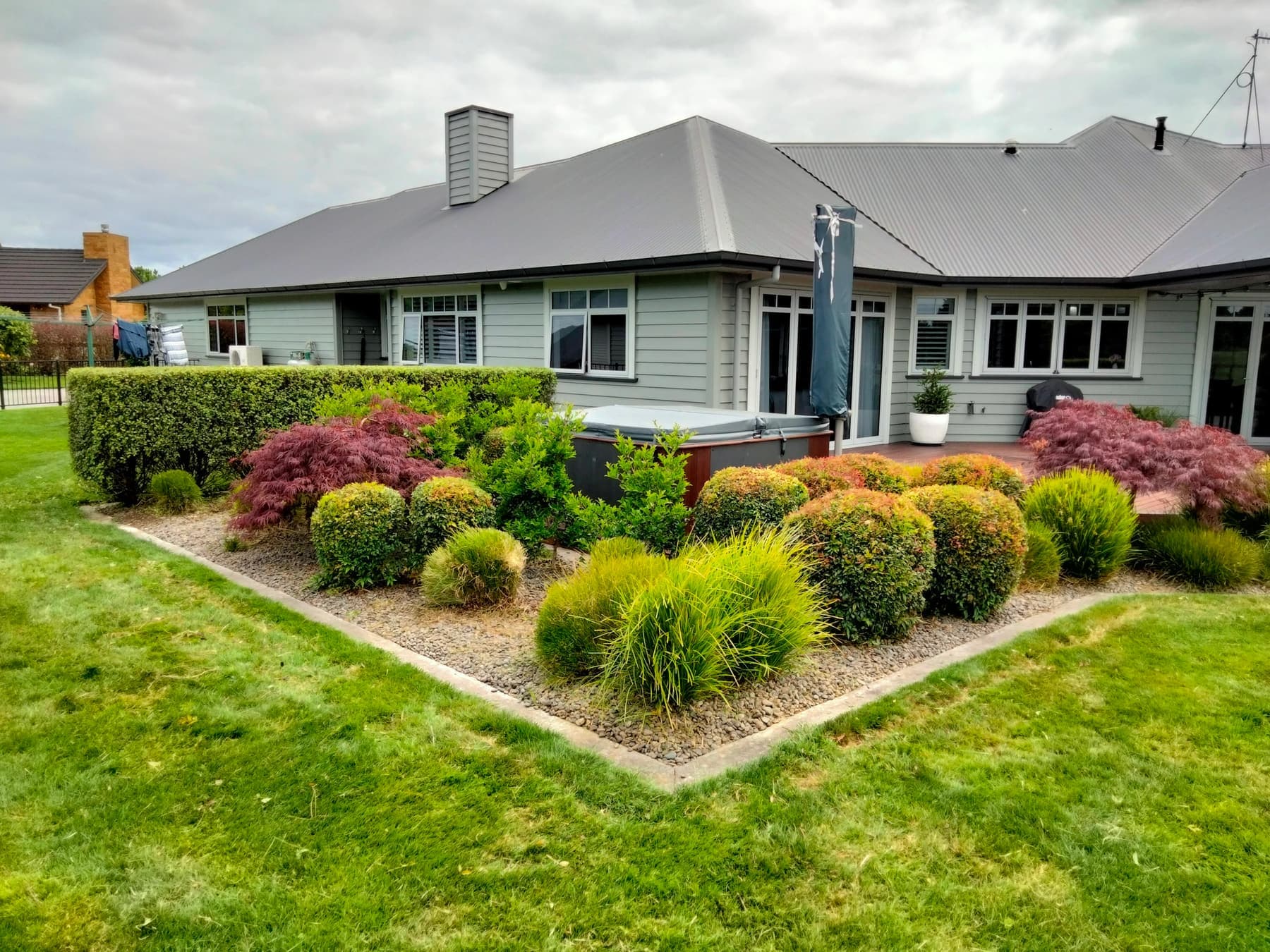
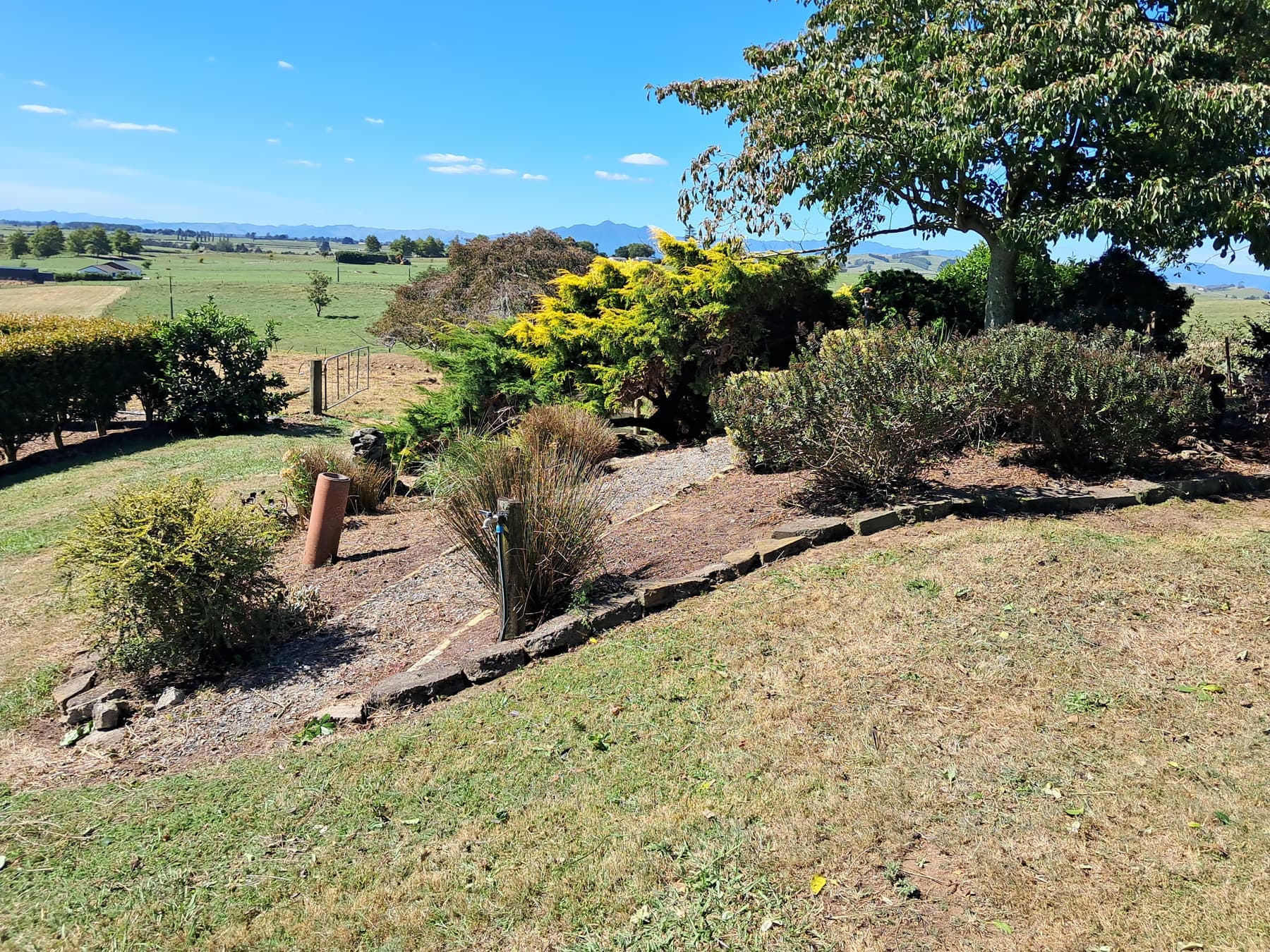
On a residential property, this may mean creating a level, well-drained lawn, retaining a sloping section, installing garden edging and paths, and establishing planting that suits the home and local conditions. On a rural or lifestyle property, the work may also involve entranceways, shelter planting, large garden beds, orchard areas, long boundary hedges and practical access routes. For commercial sites, it commonly includes tidy, hard-wearing grounds that present well to visitors while remaining manageable for the people responsible for them.
A detailed scope matters because landscaping components affect one another. A paved area installed before drainage is resolved may hold water. A beautiful planting scheme can struggle if the soil is compacted or the irrigation is inadequate. A contractor should look beyond the first day the project is finished and consider how the landscape will settle, grow and be maintained over the years ahead.
Design, Planning and Site Preparation
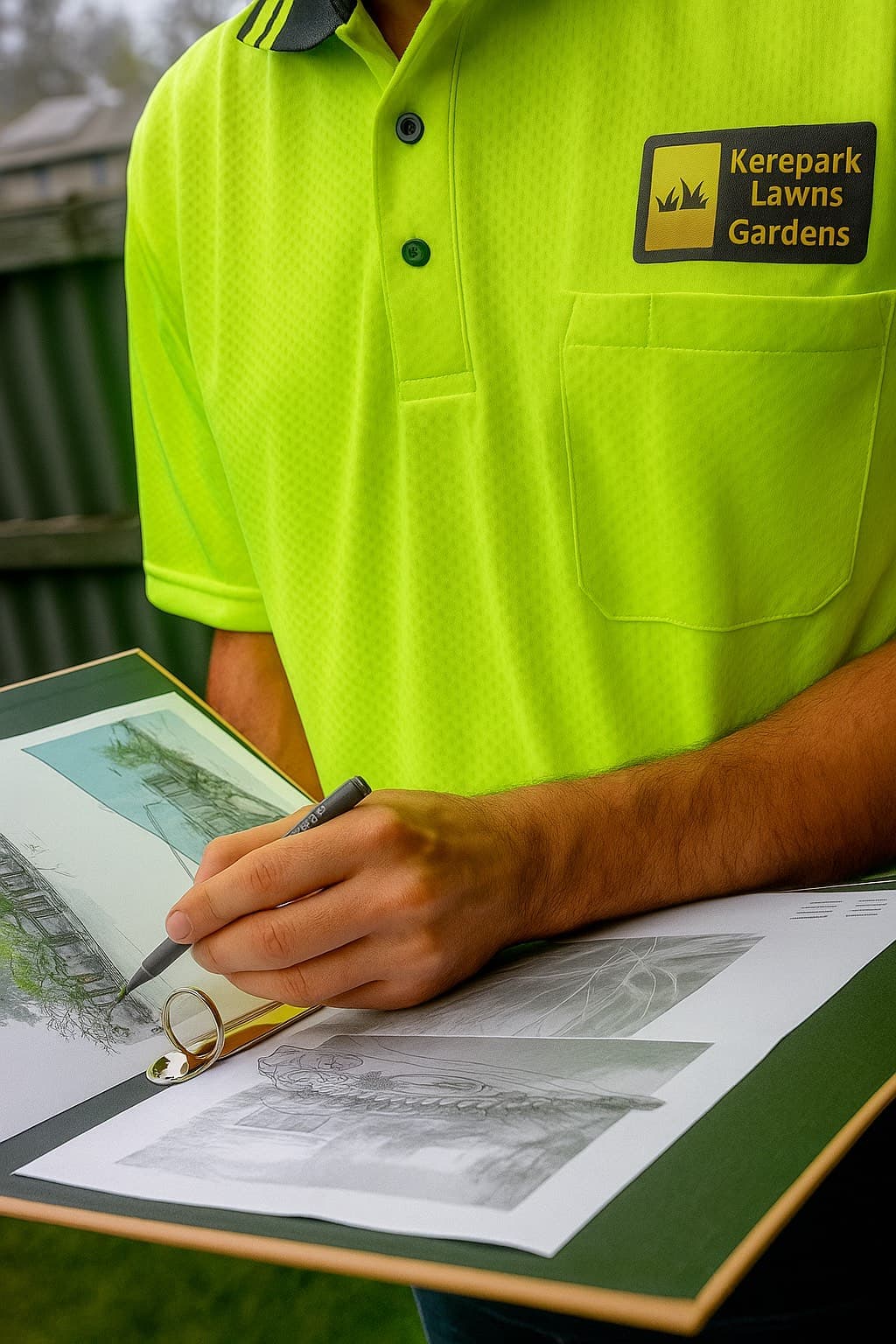
Construction usually follows a design or site plan, whether it is a full landscape design or a practical plan developed around a defined area. This stage establishes the layout, levels, materials, planting approach and priorities for the budget. It is also where a good contractor identifies limitations that may change the work, such as soft ground, difficult access, existing services, mature trees or water run-off from neighbouring land.
Site preparation is often the least visible part of a finished project, but it is one of the most valuable. It can include clearing unwanted vegetation, removing old garden materials, stripping unsuitable soil, excavating, reshaping contours and setting finished levels. Machinery may be required for larger sites, while careful hand work is often the better choice around established gardens, buildings and services.
This work should also account for the practical realities of access and disposal. Removing spoil, green waste or old hardscape materials can be a significant part of the job on established properties. Clear allowances in the quote help prevent uncertainty once construction begins.
Earthworks and drainage
Earthworks create the base for everything that follows. They may involve levelling a lawn area, cutting into a slope for a terrace, building up low ground, or preparing a stable base for paving and driveways. The aim is not to make every site flat. Often, retaining natural contours produces a more attractive and functional result, provided those contours direct water safely.
Drainage is particularly important in parts of the Waikato where seasonal rain and heavy soils can challenge lawns, planting beds and paved areas. Depending on the property, drainage work may include surface shaping, channel drains, subsoil drainage, soakage solutions or directing water away from buildings and high-use spaces. The appropriate option depends on the ground, local requirements and where water can legally and safely discharge.
Built Features and Hard Landscaping
Hard landscaping refers to the constructed elements that give an outdoor area structure and make it easier to use. These are usually the long-life components of the project, so material choice and installation quality deserve close attention.
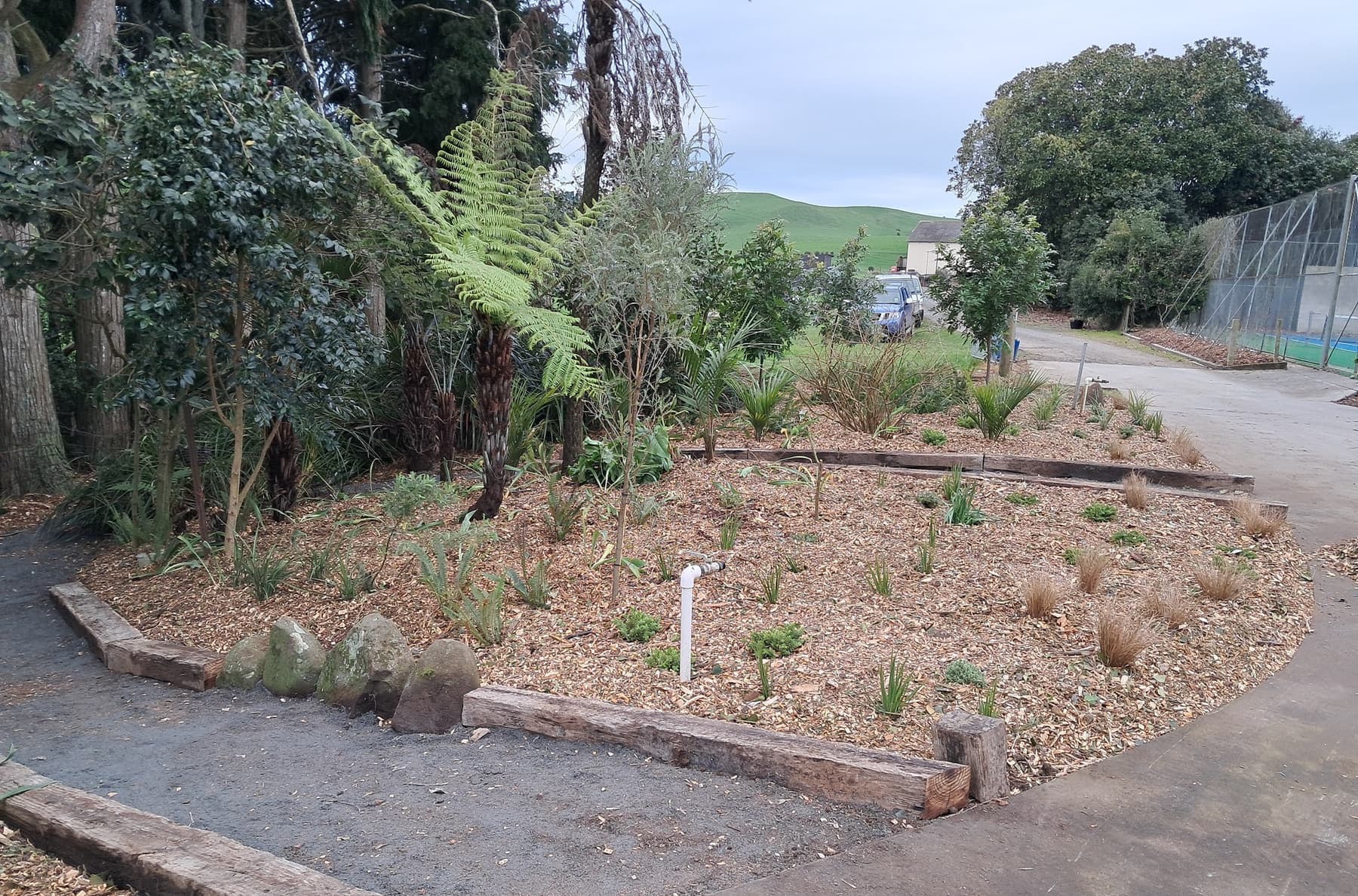
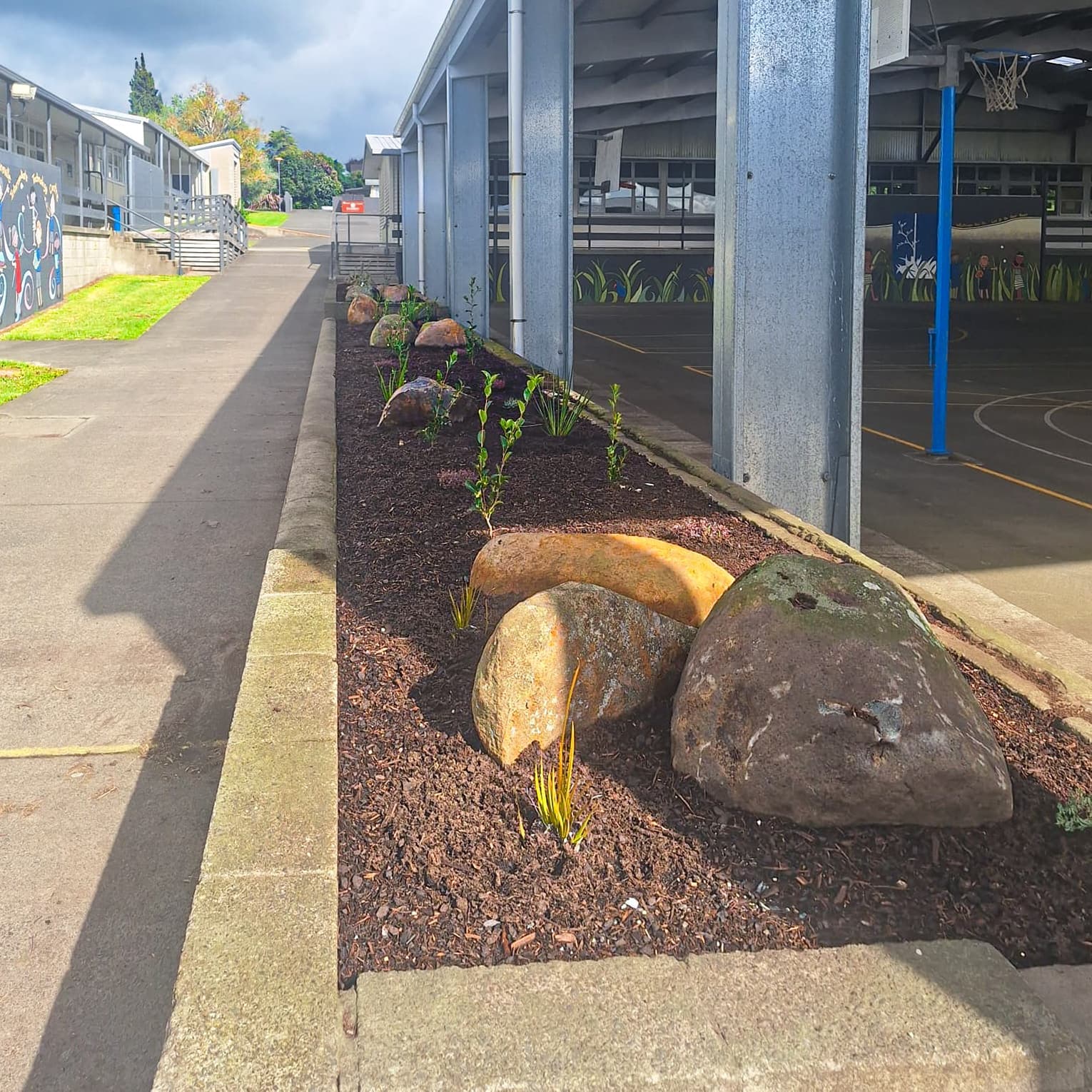
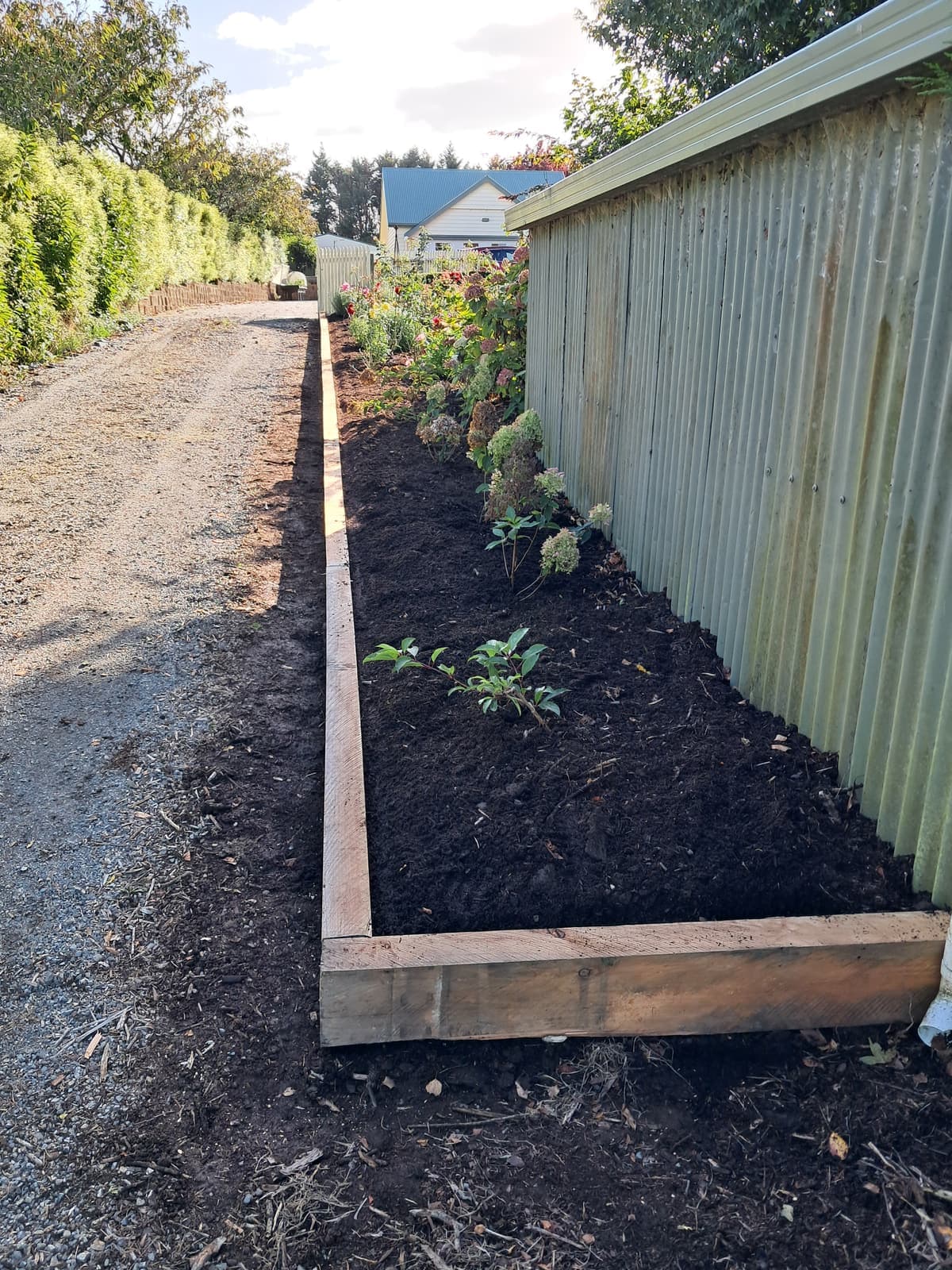
Common inclusions are retaining walls, timber or concrete edging, steps, paths, patios, paving, decking, gravel areas, raised garden beds and garden borders. Some projects include entrance features, fences, screens, pergolas or practical service areas. A well-built path, for example, is not simply a decorative line through the garden. It needs a stable base, correct falls, sound edges and a finish that suits the expected foot traffic.
Retaining deserves particular care. A small decorative edge may be relatively simple, while a wall holding back substantial soil, supporting a driveway or sitting near a building needs appropriate engineering, drainage and consent consideration. This is an area where choosing the cheapest approach can create expensive problems later.
Material selection also involves trade-offs. Natural timber can feel warm and suit a garden setting, but it needs maintenance and has a finite lifespan. Concrete and stone can be highly durable, though the installation cost and site access may be greater. Gravel is economical and practical in the right location, but it can migrate into lawns and beds without good containment. The best option is the one that suits the property, expected use and maintenance plan.
Soil, Lawns and Planting
Once the structure is in place, landscape construction moves into the living parts of the garden. This stage commonly includes soil cultivation, importing and spreading quality topsoil, improving planting areas, installing lawn, placing plants and applying mulch. It may also include irrigation where the garden size, plant selection or owner’s availability makes regular watering difficult.
Soil preparation should match the intended planting. Trees and shrubs need adequate rooting space, while productive gardens and orchards benefit from soil that has been prepared for long-term health rather than a quick visual result. On lifestyle properties, shelter belts and boundary planting should be planned with mature size, prevailing winds, mowing access and nearby structures in mind.
Lawn installation may involve seed, ready lawn or a blend of approaches across the property. Ready lawn provides an immediate finished appearance, while seed can be more cost-effective for broad areas when timing and establishment conditions are favourable. Neither is maintenance-free. New lawns need watering, mowing at the right height and protection from heavy traffic while roots establish.
Planting should give the garden shape from day one without creating a crowded problem in three years. A thoughtful palette considers colour and flowering, but also growth rate, sun exposure, frost tolerance, drainage, screening needs and the time available for pruning, feeding and weeding. This is where construction and maintenance experience makes a real difference: a garden should be designed to be cared for successfully, not merely photographed when newly planted.
Finishing Work and Handover
The final stage is where a site begins to feel complete. It can include laying mulch, refining bed edges, cleaning hard surfaces, checking levels, completing turf joins, staking trees and removing construction debris. On larger projects, finishing may also involve installing garden lighting, irrigation controls or decorative features specified in the plan.
A professional handover should make it clear what has been installed, how it should be looked after and what needs attention during the establishment period. Newly planted gardens, lawns and hedges are still settling after the construction team leaves. Watering requirements, early pruning, weed control and mulch top-ups all influence whether the investment matures as intended.
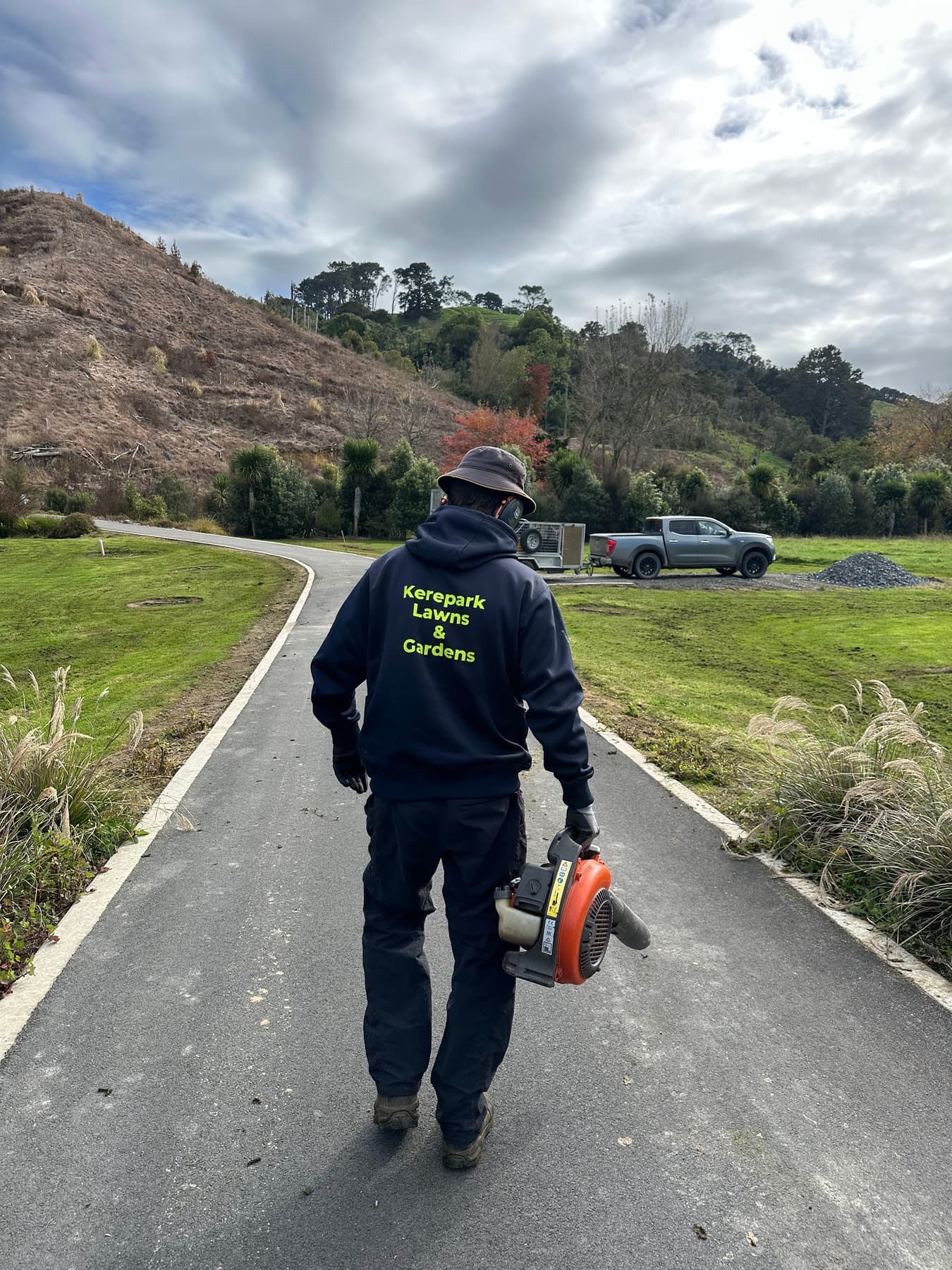
For clients who do not have the time, equipment or physical capacity to manage this work, scheduled maintenance is a sensible continuation of the project. Regular lawn care, hedge trimming, garden maintenance, tree care and fruit-tree pruning protect the standard achieved during construction. KLG’s design-build-maintain approach is built around this principle: the people creating the landscape can also help it develop into the environment it was intended to be.
What May Not Be Included?
Landscape construction quotes vary because sites and specifications vary. Some services may need to be arranged separately, such as major civil works, electrical connections, plumbing beyond the agreed irrigation scope, engineering design, building work or council consents. Existing underground services can also affect excavation work.
The useful question is not whether every possible task is included, but whether the scope clearly describes what will be done, what materials will be used, how site conditions are allowed for and who is responsible for any specialist work. A lower initial price can look attractive until important preparation, drainage or finishing items appear as variations.
Before committing, walk the site with a landscaping specialist and discuss how you use the space now, what frustrates you, and how much maintenance you want in future. A well-scoped construction project gives your outdoor area more than a fresh appearance. It gives it the structure to serve your property well through changing seasons and years of use.