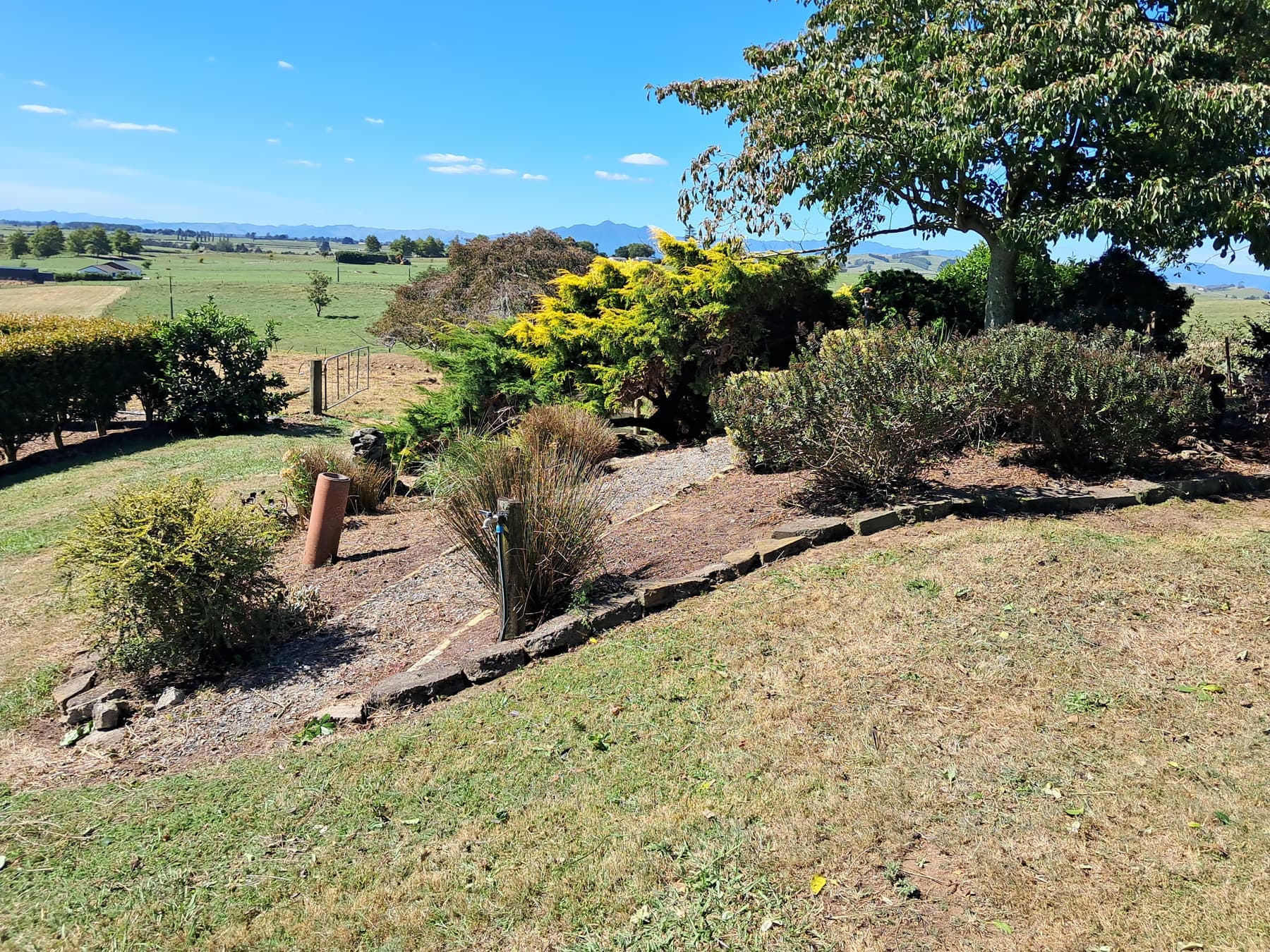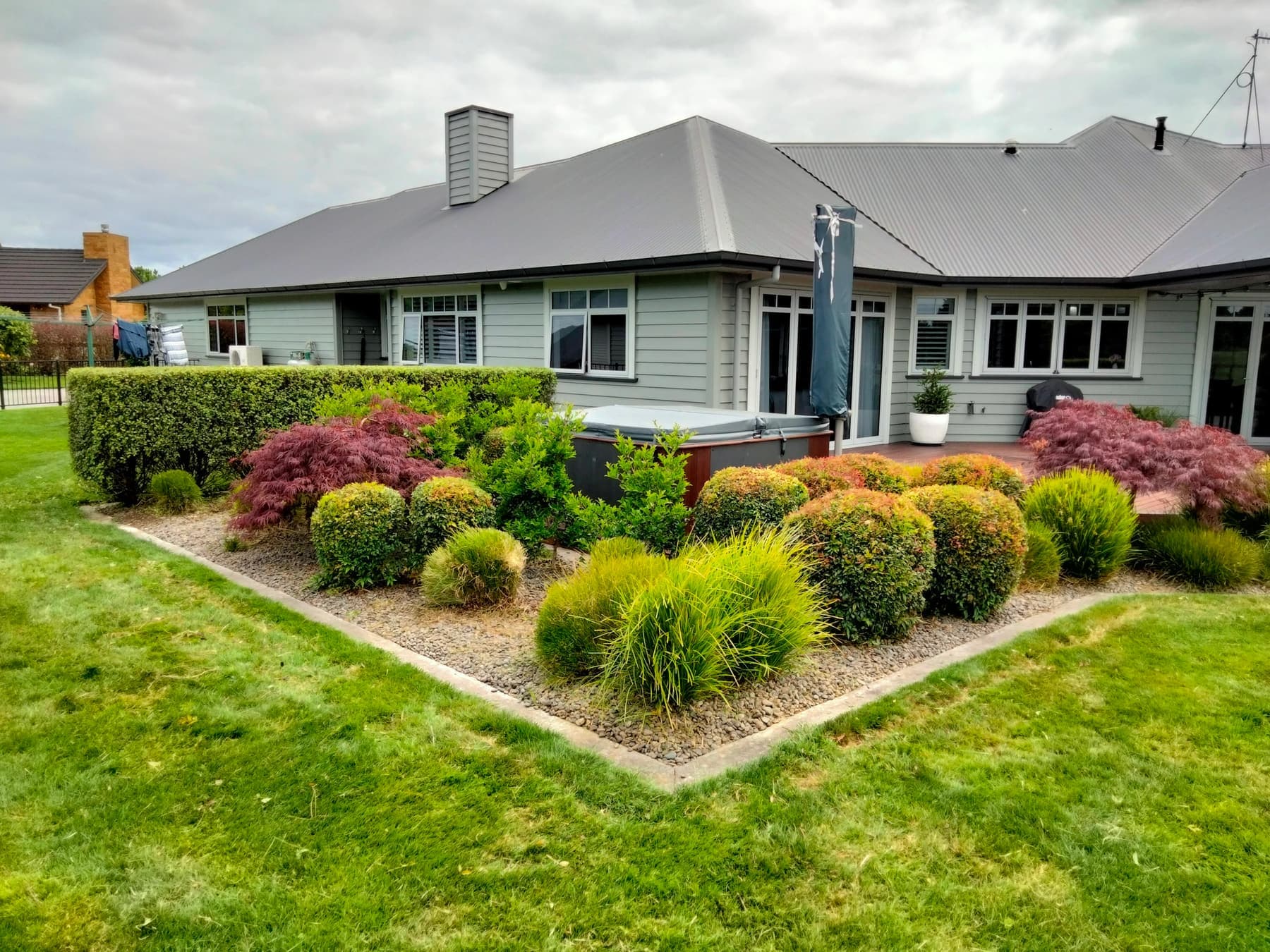
A large garden can be one of a property’s greatest assets, but it can quickly become a demanding responsibility when lawns, mature trees, hedges, planting beds and outdoor living areas are not working together. A considered estate garden transformation brings those elements back into order, creating grounds that look impressive on arrival and remain manageable long after the construction work is complete.
For lifestyle and rural properties across the Waikato, the goal is rarely a garden that looks good for one season. It is a well-planned outdoor environment that suits the home, the site, the people using it and the level of care it will receive over time.
What a successful estate garden transformation achieves
Estate gardens need more than new plants and a fresh layer of mulch. They need a clear structure. On a substantial property, every area should have a purpose, whether that is framing the entrance, screening a boundary, providing a private place to sit, improving access around the home, or producing fruit for the household.
The strongest transformations make a property feel simpler to own. A well-defined driveway and entry planting can improve the sense of arrival. Lawns can be reshaped to suit efficient mowing. Hedges can create shelter and privacy without blocking useful views. Planting can soften buildings, retain visual interest through the year and reduce the amount of bare ground that needs weeding.
This does not mean every corner needs to be formal. In fact, a rural property often benefits from a balance of refined areas near the house and more natural planting at outer boundaries. The right approach depends on the site, available time, budget and the character of the home. A contemporary residence may suit clean lines and restrained planting, while an established country home may call for generous borders, specimen trees and a more layered garden style.
Begin with the whole property, not the problem area
It is tempting to start where the garden feels most untidy. Perhaps it is an overgrown hedge, a tired courtyard or a lawn that never seems to thrive. These areas matter, but they should be assessed in the context of the entire property first.
A proper site review considers how the grounds are used now and how they need to work in future. It looks at sun and shade, drainage, wind exposure, soil condition, established trees, views, vehicle access and the relationship between the house, sheds, pool areas, orchard and boundaries. It also identifies what is worth retaining. Mature trees, sound pathways and established shelter can provide a valuable framework for new work.
Make room for practical decisions
Access is one of the most overlooked parts of garden planning. On an estate, maintenance equipment needs safe, sensible routes to lawns, hedges and planting areas. Wheelbarrows, mowers and vehicles should not have to cross delicate garden beds or squeeze through narrow gates. When access is planned early, the garden is easier to care for and less likely to be damaged during routine work.
Drainage deserves the same attention. Wet patches, runoff from hard surfaces and compacted soil can undermine lawns and planting before they have a chance to establish. Addressing drainage during the construction stage is more cost-effective than repeatedly replacing plants or repairing damaged turf later.
Build the framework before adding detail
A lasting estate garden transformation is usually completed in the right sequence. Earthworks, drainage, retaining, paths, edging, irrigation provisions and lawn preparation form the practical foundation. Once these are in place, planting and finishing details can be installed with confidence.
This sequence protects the investment in the garden. There is little value in installing beautiful plants before heavy access, soil preparation or paving work is complete. Likewise, a new lawn will struggle if surrounding levels and drainage have not been resolved.
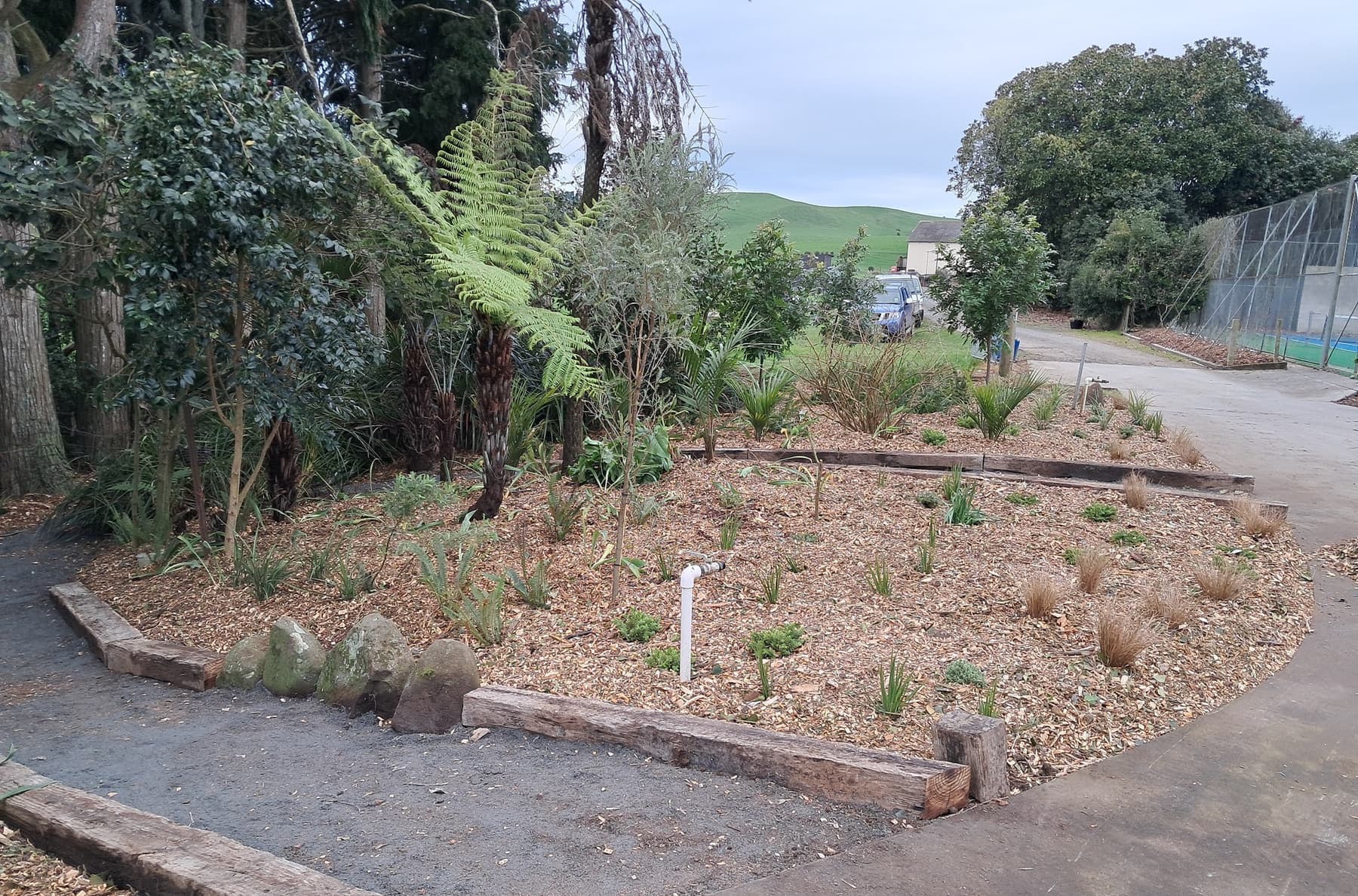
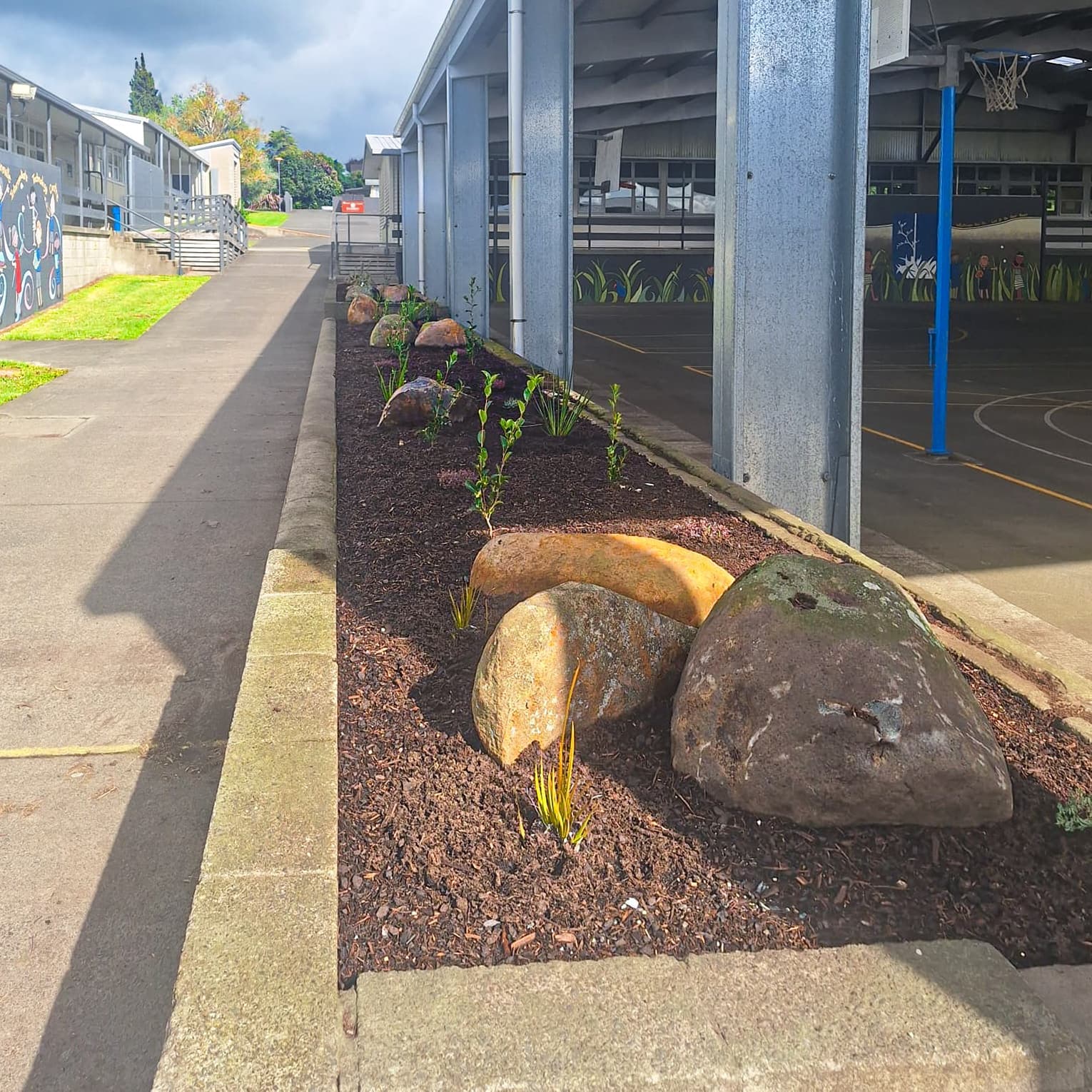
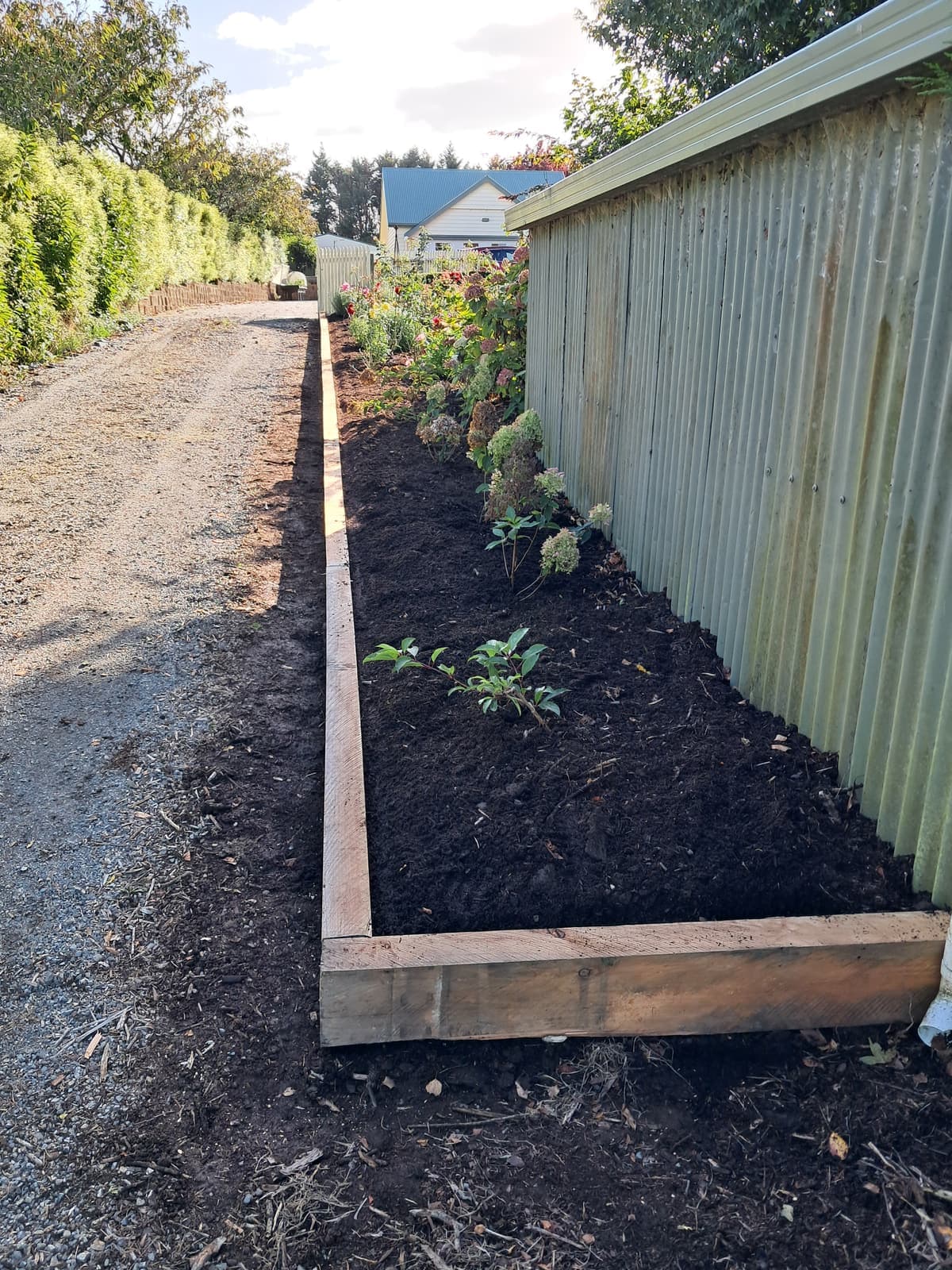
Hard landscaping should serve the property rather than compete with it. Paths should lead naturally between key spaces. Steps need to be safe and proportioned correctly. Edging should hold soil and mulch in place while creating a crisp, maintainable line between lawn and garden. Materials need to suit the architecture of the home and stand up to regular use in local conditions.
For larger grounds, it can be sensible to stage the work. The arrival area, main entertaining space and highest-use gardens may be completed first, followed by boundary planting, orchards or secondary areas. Staging can spread investment over time, but the master plan should still guide each stage so the finished property feels cohesive rather than pieced together.
Choose planting for performance as well as appearance
Plant selection is where many gardens either settle in beautifully or become a continuing source of work and disappointment. A plant may look excellent at the nursery, yet be poorly suited to a windy boundary, heavy soil, deep shade or a location with limited watering.
The best planting plans use layers. Canopy trees create scale and summer shade. Smaller trees and shrubs build enclosure and seasonal colour. Perennials, groundcovers and bulbs provide texture at lower levels, while mulch helps conserve moisture and suppress weeds as plants establish. This layered approach creates depth without relying on a single plant type to do all the work.
Evergreen structure is particularly valuable around entrances, outdoor rooms and highly visible garden areas. Deciduous trees can then add seasonal change, allowing winter light into living spaces and providing welcome shade through warmer months. Flowering plants should be used with purpose, rather than scattered everywhere. Concentrated colour near key views or entertaining areas often has more impact and is easier to maintain.
Fruit trees deserve their own plan. They need adequate spacing, sunlight, suitable pollination arrangements and access for pruning and harvest. An orchard that is positioned well and pruned regularly can become a productive, attractive part of a lifestyle property. One that is crowded into an unsuitable corner can become difficult to manage within a few years.
Design for maintenance from day one
The long-term condition of an estate garden is determined as much by its maintenance plan as its initial construction. Newly planted gardens need regular attention while roots establish. Hedges need trimming at appropriate intervals to stay dense and controlled. Lawns need seasonal care, and trees need monitoring before small issues become costly work.
This is why a garden should be designed around realistic maintenance expectations. A busy household may prefer generous lawn areas, durable planting and formal hedges kept to a practical number. A retired owner who enjoys gardening may choose more detailed borders and productive planting. Commercial or shared sites may need a particularly tidy, low-risk presentation with maintenance scheduled around public use.
Mulch, irrigation, defined garden edges and sensible plant spacing all reduce unnecessary labour. They do not remove the need for care, but they make routine work more efficient and help the garden retain its standard between visits. Regular professional maintenance also means pruning, feeding, pest concerns and declining plants can be addressed early rather than allowed to affect the wider landscape.
One accountable team protects the original vision
When design, construction and ongoing care are treated as separate jobs, important details can be lost between stages. The people maintaining the garden may not know why a plant was positioned in a particular place, or the construction team may not understand how the area will be accessed once complete.
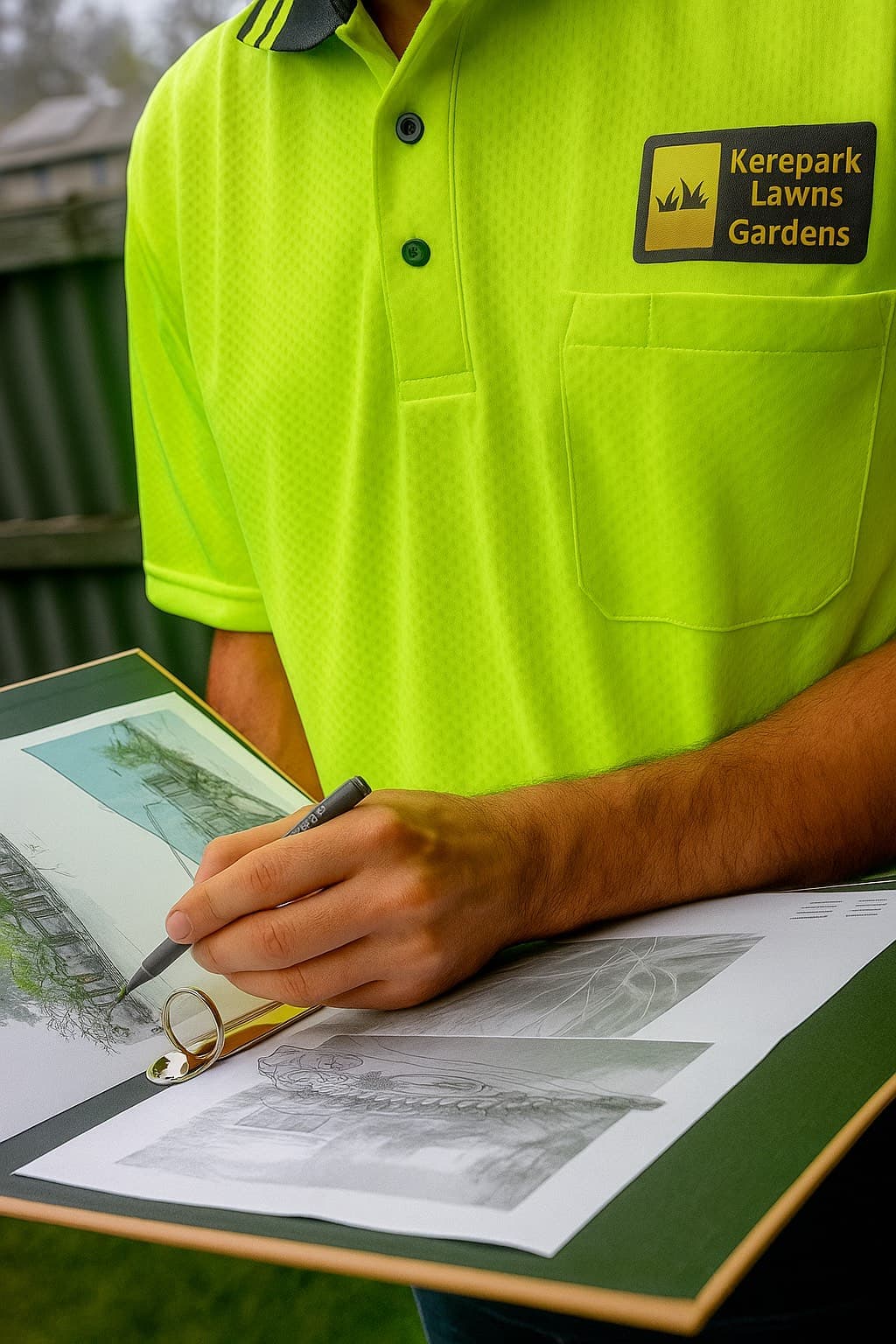
An integrated approach provides continuity. Kerepark Lawns & Gardens can assess the property, shape a plan, carry out the landscaping work and provide the garden care needed to keep the result looking established. For owners of larger or complex grounds, that continuity provides clearer communication and a more reliable standard across the whole property.
A transformation does not need to happen all at once, but it does need a direction. Start with the spaces that affect daily life and the property’s overall presentation, then build outward with a plan that respects the land, the home and the care the garden will need in the years ahead.