A commercial site is judged before a visitor reaches reception. Overgrown edges, tired planting, slippery paths and unkempt lawns can suggest that standards are slipping elsewhere too. Well-managed commercial landscaping gives staff, customers, tenants and suppliers a clear signal that the property is cared for, safe and professionally operated.
For Waikato property managers and business owners, the challenge is rarely finding a mower for one visit. It is maintaining large, changing outdoor areas through fast spring growth, wet winters, dry periods and the daily demands of a working site. A considered programme brings mowing, garden care, hedges, trees and seasonal planting together so the grounds continue to support the property rather than become another operational concern.
Commercial landscaping is more than mowing
Commercial landscaping includes the planned design, construction and ongoing care of an outdoor environment. At its best, it considers how people move through the site, what can be maintained efficiently, how planting will perform in local conditions and where attention is needed most.
A retail frontage needs a clean, welcoming approach that does not obscure signage or access. An industrial property may need clear vehicle sightlines, tidy boundaries and durable, low-maintenance planting. Offices, medical centres, schools and accommodation sites often require an environment that feels settled and cared for while remaining practical for regular use. The right scope depends on the purpose of the property, its size, visitor traffic and the expectations of those using it.
Routine lawn mowing is an essential part of the picture, but it cannot solve every issue. Grass that is cut too low during dry weather can struggle. Hedges left until they have become overgrown take longer to restore and may lose their shape. Planting beds that receive no seasonal attention can quickly look sparse, weedy or tired. Professional grounds care accounts for these details before they become costly remedial work.
The business value of well-kept grounds
Outdoor presentation has a practical effect on how a commercial property is experienced. It can strengthen tenant confidence, make a workplace more pleasant for staff and help customers feel comfortable from the moment they arrive. For owner-occupied premises, it supports a brand that values order, quality and attention to detail.
There is also a property-protection benefit. Regular inspections during maintenance visits can identify blocked drainage, failing plants, branches extending over accessways, worn garden edges or areas where water is damaging turf. Addressing a small issue early is usually simpler than repairing a neglected site after several seasons.
Safety deserves the same attention. Clear paths, controlled vegetation around car parks and entrances, and sensible tree management all help reduce avoidable hazards. This does not mean every site should look overly formal. A natural, layered landscape can be highly effective, but it still needs appropriate clearance, visibility and a maintenance plan suited to its setting.
What a reliable maintenance programme should cover
The strongest maintenance programmes are built around the property rather than a generic schedule. Some sites need weekly presentation work through peak growth; others are better served by fortnightly or seasonal visits with defined priorities. The important point is that the programme is clear, consistent and able to adapt when conditions change.
Lawn and edge care
Neat lawns and crisp edges provide the visual foundation for most commercial grounds. Mowing frequency should reflect growth rates, lawn type, weather and the desired finish. During periods of strong growth, delayed mowing can leave an untidy result even after the work is completed. In drier conditions, a measured approach helps protect lawn health rather than chasing an unnecessarily short finish.
Edging around footpaths, garden beds, buildings and car parks matters because it creates definition. It also prevents grass from creeping into hard surfaces and planting areas, where it competes for water and nutrients.
Garden and planting care
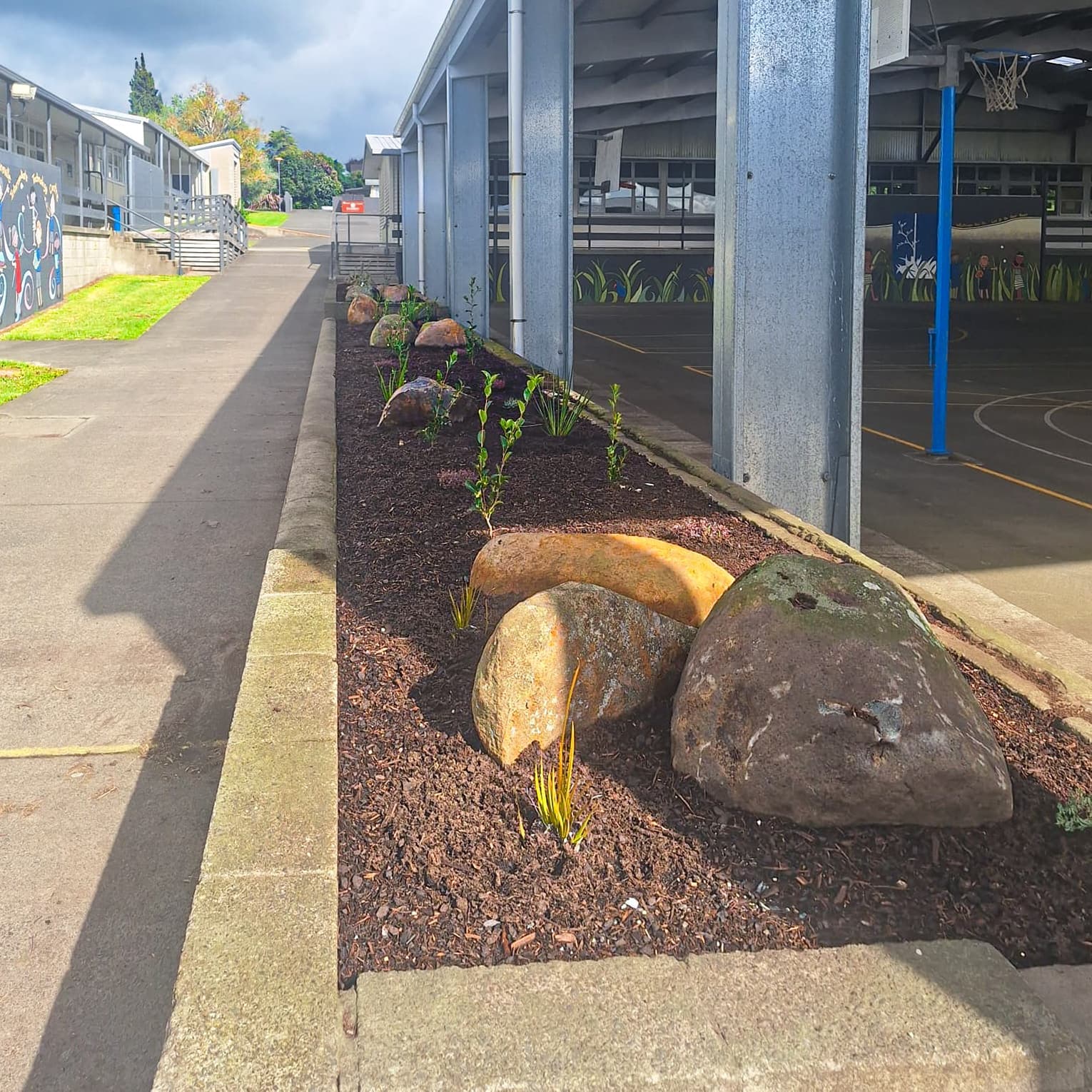
Planting is an investment that needs stewardship. Garden teams should manage weeds, remove spent growth, prune appropriately, monitor plant health and maintain mulch where needed. Seasonal care keeps gardens looking intentional while helping plants establish and mature well.
Plant selection has a major influence on future costs. A landscape made up of plants suited to Waikato soils, rainfall, sun exposure and available maintenance time will generally perform better than one designed only for its appearance on installation day. There is a trade-off: highly detailed gardens can create a distinctive arrival experience, but they need more regular skilled attention than simple mass planting.
Hedges, trees and site clearance
Hedges need trimming at the right time and with a consistent shape to remain dense and healthy. Waiting until they obstruct windows, pathways or signs often means a heavier cut is required, which can leave them looking bare for a time.
Trees require a more cautious approach. Pruning should improve structure, remove problem growth and maintain clearance without taking away more canopy than necessary. On commercial sites, attention to branches near buildings, pedestrian areas, driveways and power infrastructure is particularly important. Green waste removal and general site clearance should also be included in the agreed scope, so the property is left tidy after each visit.
Design, build and maintenance work better together
A landscape is easier to maintain when maintenance thinking is part of the design and construction process. Access for equipment, practical garden edging, irrigation considerations, appropriate plant spacing and durable materials all affect the time and care needed later.
This is why an integrated design-build-maintain approach offers real value for commercial sites. The team responsible for ongoing care understands how the landscape was intended to develop and can spot when an area is not performing as planned. If a planting scheme needs adjustment, drainage needs improvement or a tired entrance needs renewing, decisions can be made with a full view of the property rather than as isolated jobs.
For new developments, this continuity helps avoid a common problem: installing a visually impressive landscape without a realistic plan for its upkeep. For established sites, it provides a practical path to improve grounds in stages, prioritising the areas that will have the greatest impact first.
Choosing a commercial landscaping partner
Price matters, but the lowest quoted visit is not always the best value. A reliable contractor should be clear about what is included, how often work will occur, who will communicate with the property contact and how additional work is approved. Consistency is especially important where a site has public-facing areas, multiple tenants or strict operating hours.
Look for practical experience across lawns, gardens, hedges, trees and outdoor construction, not simply one service line. A contractor who can coordinate several aspects of the grounds is less likely to treat issues in isolation. They should also respect the way your site operates, plan work around access requirements and leave the property presentable after each visit.
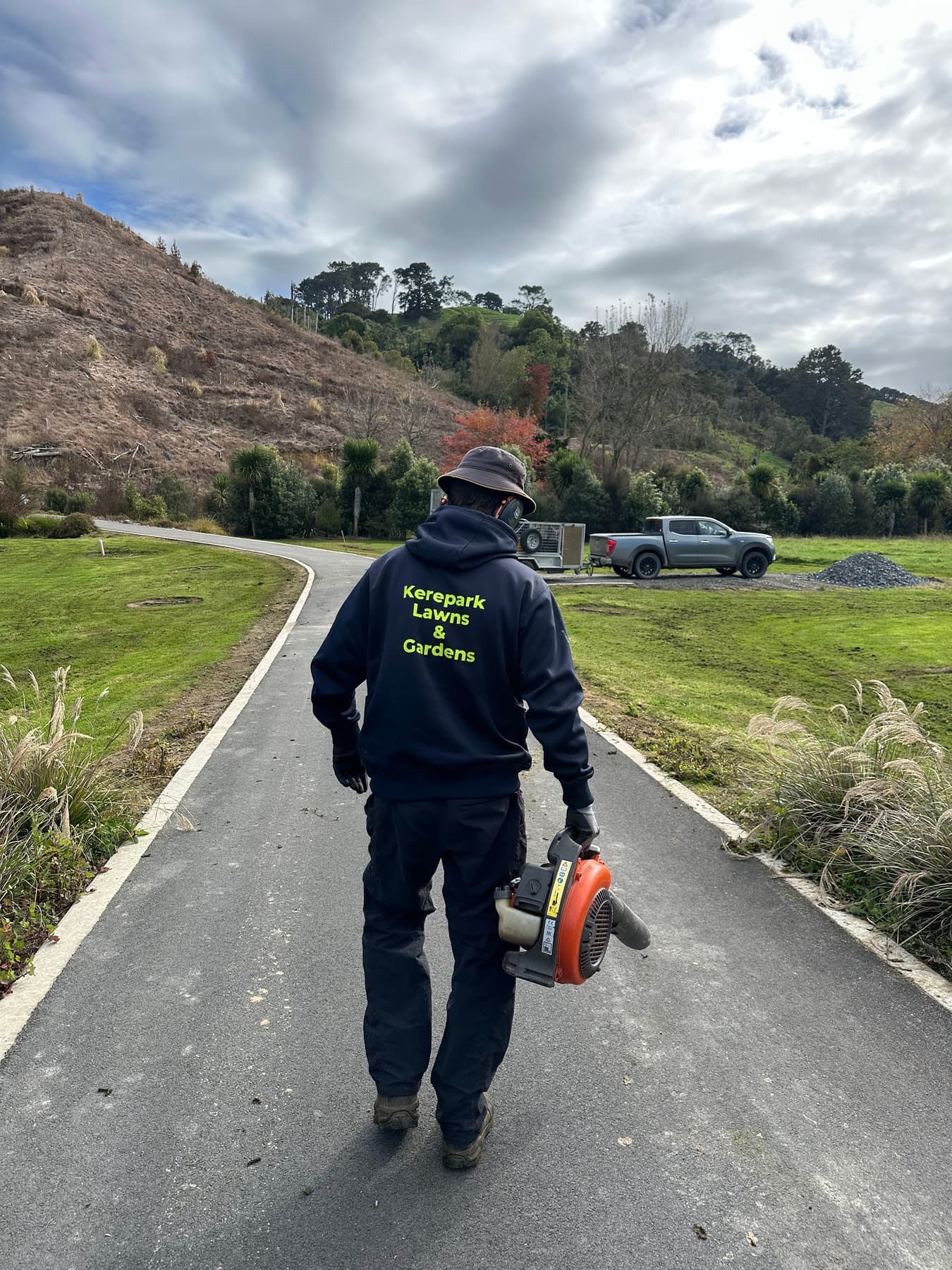
Kerepark Lawns & Gardens works with commercial properties across the Waikato, providing coordinated care for grounds that need to look good and function well over the long term. The aim is not to create unnecessary work, but to establish a sensible programme that protects the investment already on site.
Give your grounds a clear standard
The best time to review commercial grounds is before a busy season, a tenancy change or an important property event exposes the weak points. Walk the site as a visitor would. Notice the entrance, car park edges, sightlines, lawns, planting beds and areas where maintenance has been deferred.
A clear plan for commercial landscaping turns those observations into manageable work, whether the priority is dependable mowing, a garden refresh, hedge control or a broader upgrade. Well-cared-for grounds do not call attention to themselves for the wrong reasons. They quietly reinforce the standard of the business and the value of the property every day.