A garden should feel like part of the enjoyment of owning a property, not another demanding job waiting every weekend. A considered low maintenance garden design reduces unnecessary work without settling for a plain or lifeless outdoor area. For Waikato homes, lifestyle blocks and commercial grounds, the best results come from matching the design to the site, the climate and the level of care the property will realistically receive.
Low maintenance does not mean maintenance-free. Lawns still grow, hedges need shaping and plants benefit from seasonal attention. It means creating a landscape that stays tidy, healthy and attractive with sensible, predictable care rather than constant intervention.
What low maintenance garden design really means
A garden becomes high-maintenance when its parts work against the property owner. Plants may be too large for their spaces, lawns may be difficult to mow, garden edges may be unclear, or delicate species may need more water and pruning than the site can provide. These issues often look manageable in the first season, then become expensive and time-consuming as the garden matures.
A well-planned low maintenance garden design considers the full life of the landscape. It allows room for plants to grow, provides practical access for mowing and pruning, manages water sensibly and uses durable materials that hold their finish. The result should look established and composed, not sparse or overly simplified.
This approach is particularly valuable on larger Waikato properties. A rural driveway, established boundary planting, orchard, formal entry and broad lawns each have different care requirements. Planning them as one connected outdoor environment prevents a property from becoming a collection of separate jobs.
Start with the realities of the site
Every successful garden starts with an honest look at the conditions. Waikato sites can include heavy soils, damp pockets, exposed areas, hot dry boundaries and ground that changes considerably between seasons. A plant that thrives near a sheltered home may struggle beside an open rural boundary.
Drainage is one of the first details to address. Waterlogged ground can weaken plants, damage lawns and make paths difficult to use. Conversely, freely draining areas may need planting choices and mulching that retain moisture through dry weather. Resolving drainage and levels before planting is far easier than trying to correct them around an established garden.
Sunlight, wind and access matter just as much. A beautifully planted bed is of limited value if it cannot be reached safely for weeding, pruning or irrigation checks. On commercial sites, planting also needs to preserve sightlines, withstand regular foot traffic and present well from the road year-round.
Choose plants for mature size, not nursery size
Overplanting is one of the most common causes of avoidable garden work. Young plants can look small when installed, tempting people to place them too closely together. Within a few years, they compete for light and moisture, lose their form and require repeated cutting back.
Give each plant enough space for its expected mature spread. This creates clearer structure from the outset and reduces the need for constant pruning later. Layered planting can still provide a full, generous look by combining groundcovers, mid-height shrubs and feature trees with compatible growth habits.
Favour plants that suit local conditions and have proven performance in the intended position. Evergreen structure is useful for entrances, boundaries and areas viewed from the house, while carefully selected deciduous trees can provide seasonal interest and summer shade. Perennials and flowering plants can add colour, but they should be used where their deadheading and seasonal tidy-up needs are appropriate.
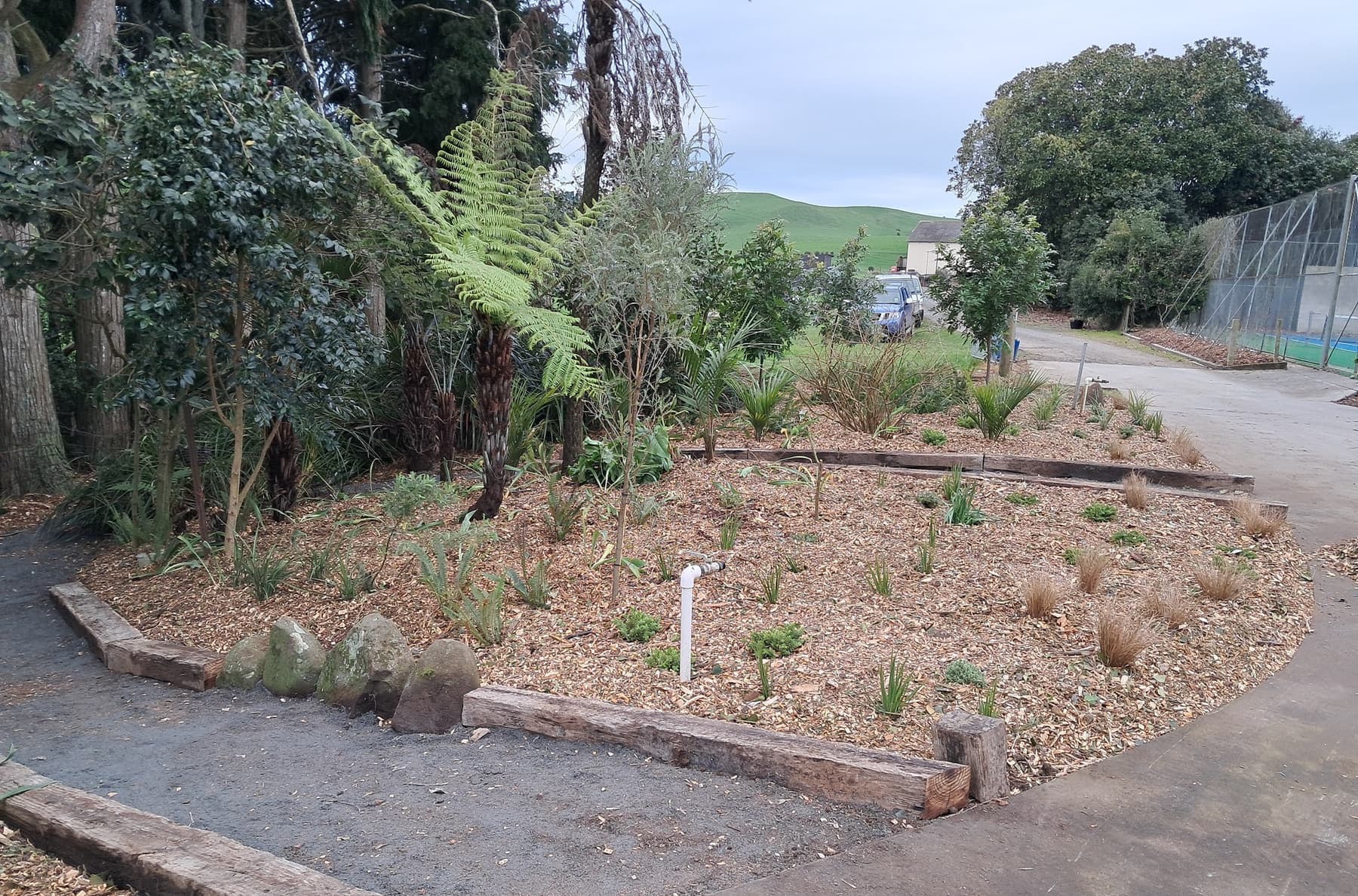
Native planting is often a practical choice for exposed or naturalistic areas, but it is not automatically maintenance-free. Some natives grow quickly and need room, while others require formative pruning to keep their shape. The right choice depends on the desired appearance, soil, exposure and ongoing maintenance plan.
Reduce lawn without losing usable space
Large lawns can make a property feel open and welcoming, but they need regular mowing, edging and feeding to remain smart. The answer is not always to remove lawn entirely. A well-kept lawn is often the most practical surface for family use, events, access and wide rural views.
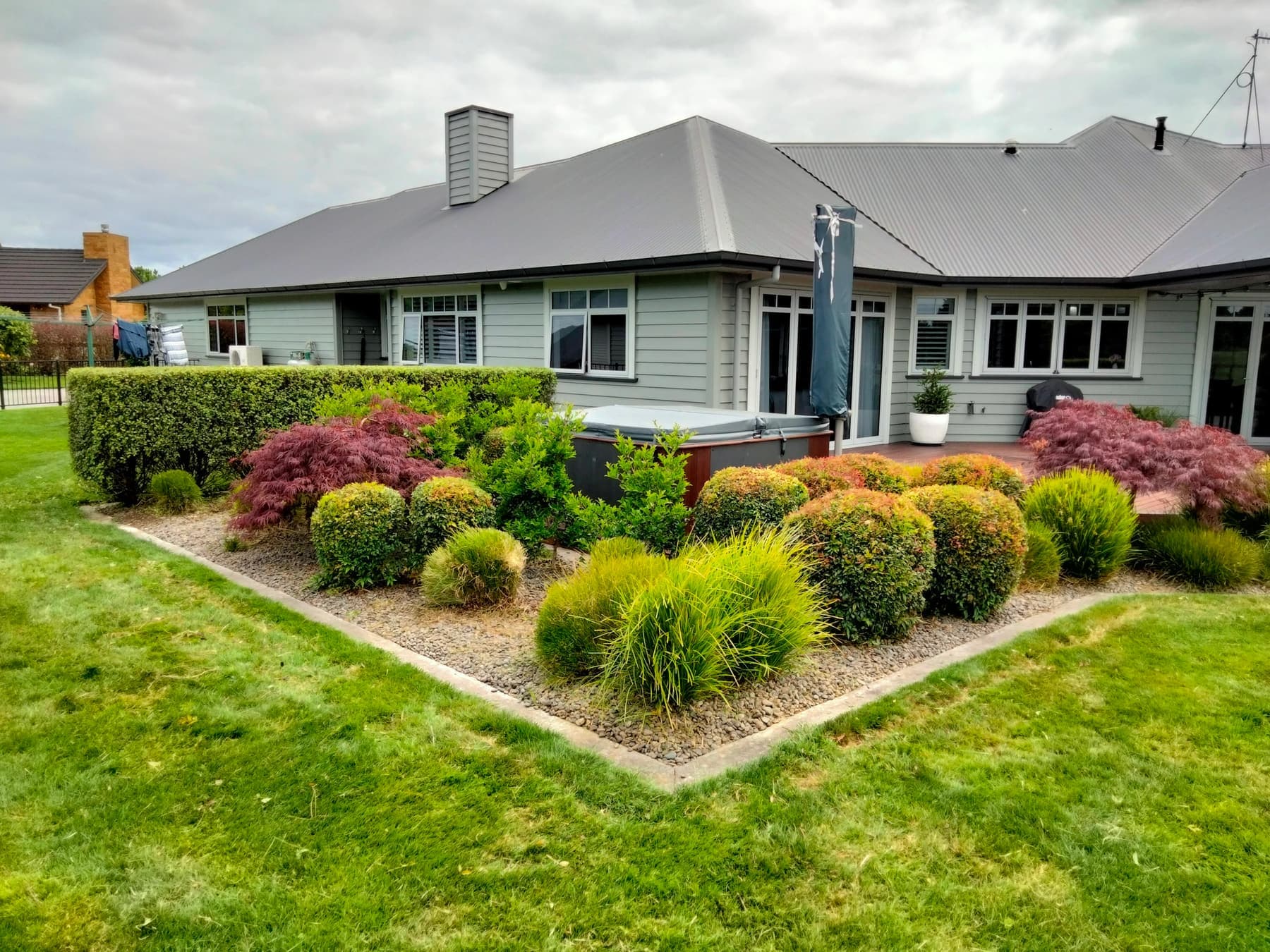
Instead, keep lawn where it has a clear purpose. Create simple mowing lines, avoid narrow strips between garden beds and boundaries, and use sweeping curves rather than complicated shapes. A mower can maintain a broad, accessible area efficiently; it cannot make a fiddly design less labour-intensive.
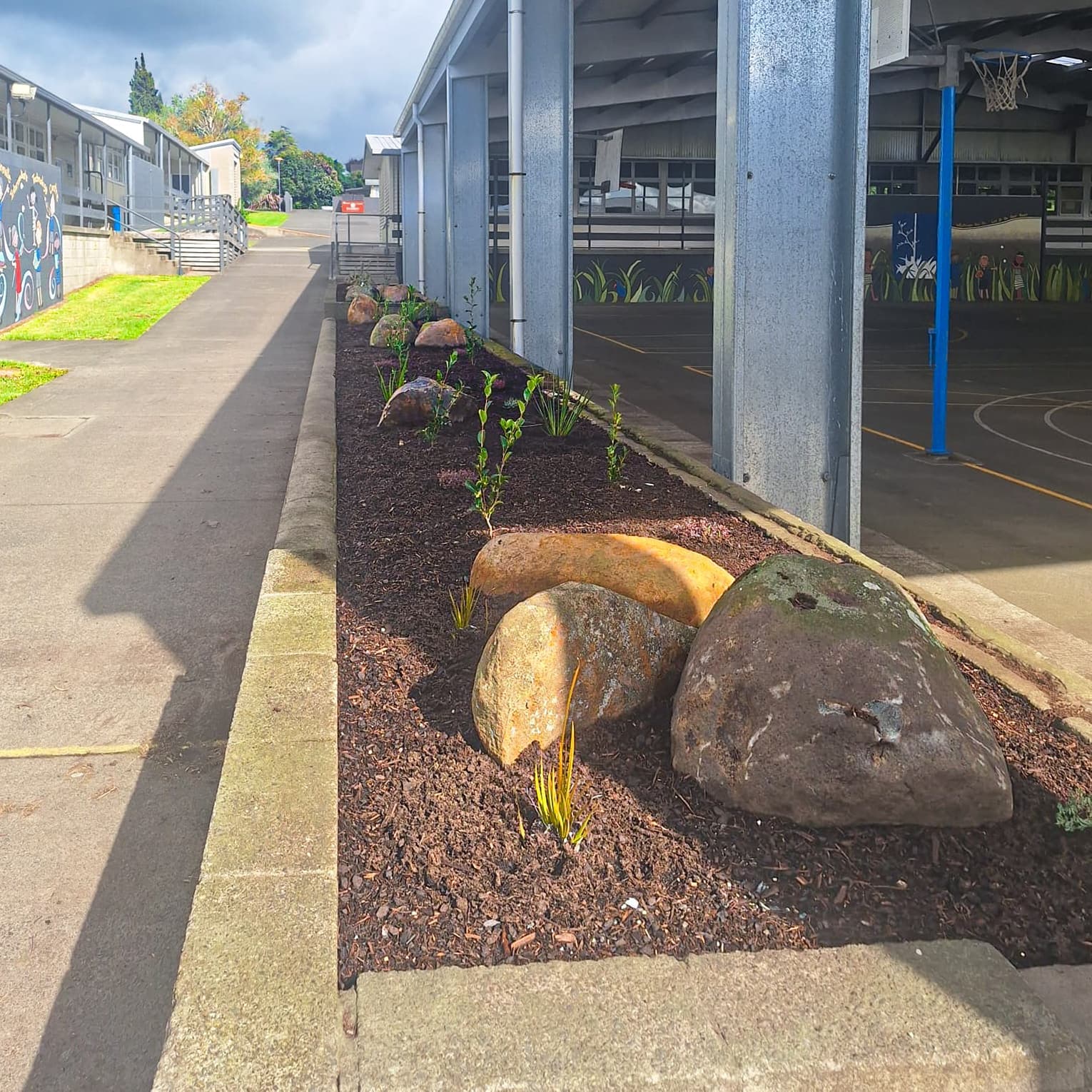
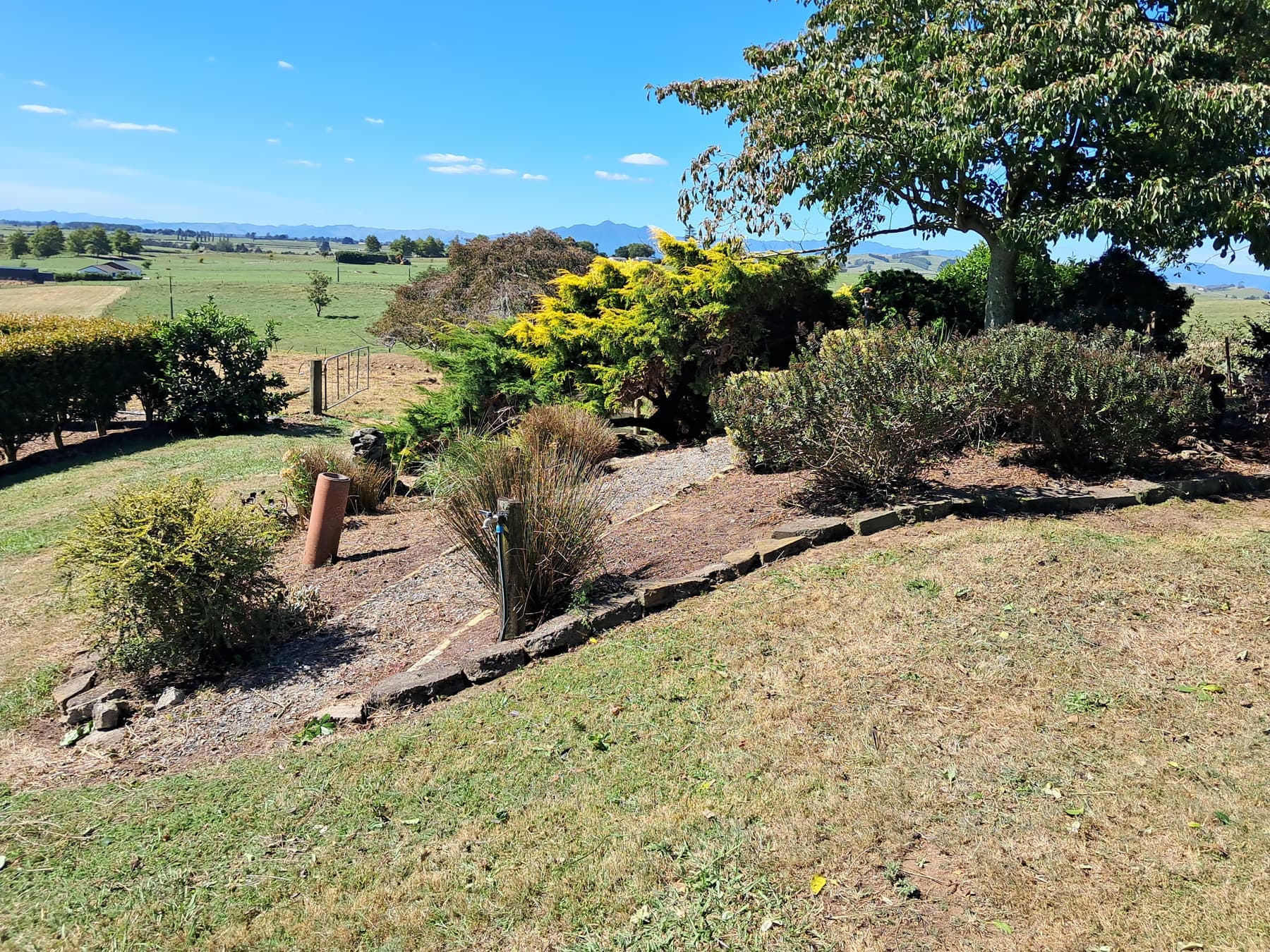
Areas that are difficult to mow or rarely used are better suited to planting, mulched beds, gravel surfaces or groundcovers, depending on the location. Around trees, for example, a generous mulched circle can protect roots, reduce trimming around trunks and give the landscape a more finished appearance.
Use hard landscaping that earns its place
Paths, retaining, edging and outdoor living areas should make a garden easier to use and maintain. Quality hard landscaping establishes order, directs movement and separates surfaces clearly. It also reduces the spread of weeds and soil into areas where they do not belong.
Material selection is about more than appearance. Gravel can be excellent for rural properties and informal paths, but it needs proper base preparation and edging to prevent migration. Timber may provide warmth and suit certain settings, though it will require periodic care. Concrete, stone and pavers can be highly durable, provided drainage, joints and installation are properly managed.
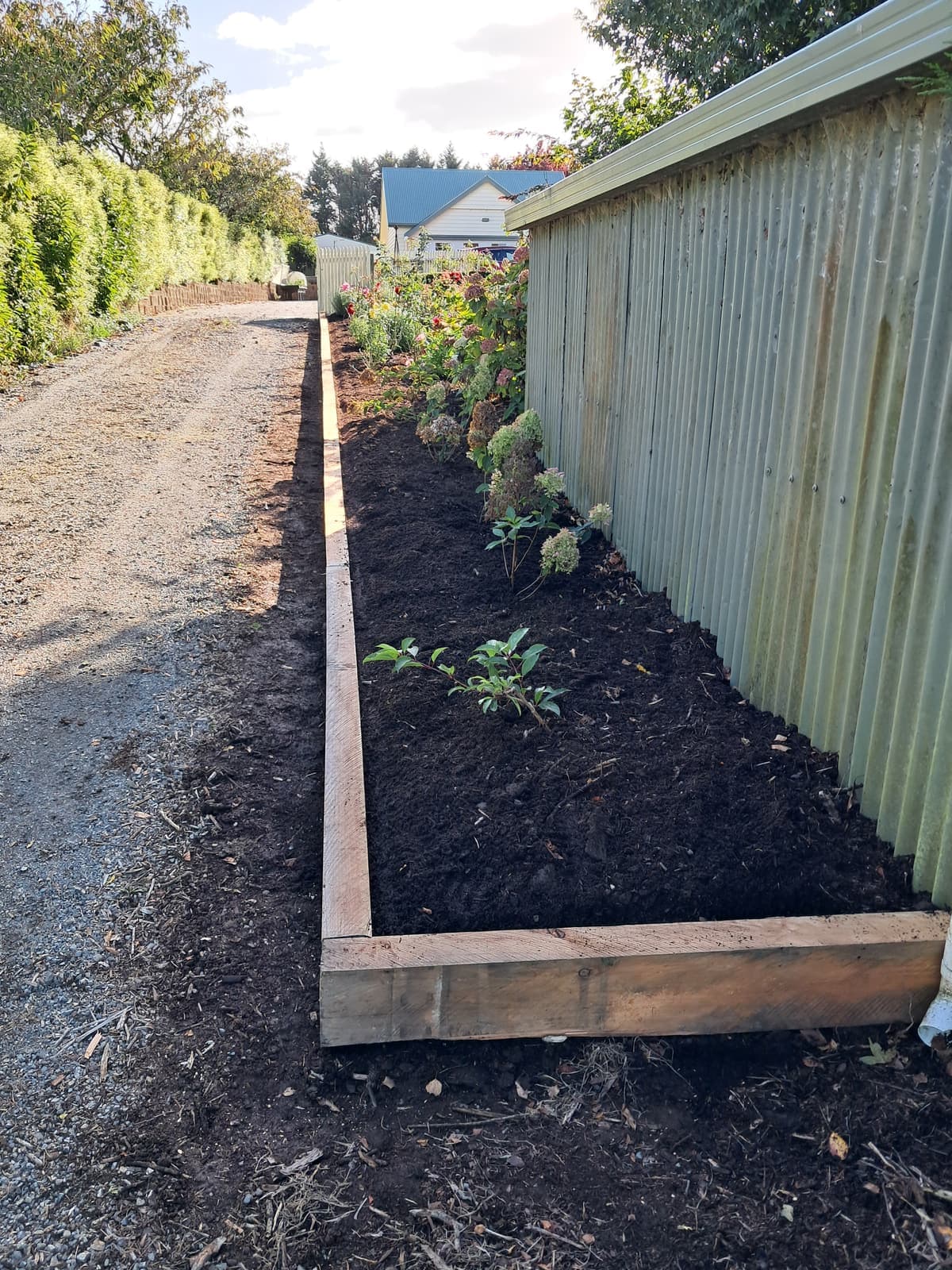
Garden edging deserves particular attention. A defined edge between lawn and planting makes mowing cleaner, holds mulch in place and stops beds from gradually losing their shape. This small construction detail can save considerable time over the life of a garden.
Mulch, irrigation and weed control work together
Mulch is one of the simplest ways to lower garden maintenance. Applied at an appropriate depth, it helps conserve moisture, moderate soil temperature and suppress many annual weeds. It also gives beds a clean, consistent finish. Organic mulches gradually improve soil as they break down, although they need topping up periodically.
Before mulching, remove persistent weeds thoroughly and prepare the soil. Mulch placed over active weeds may hide the problem briefly, but it will not solve it. Avoid piling mulch against trunks and stems, as excess moisture at the base of a plant can cause problems.
Irrigation should be targeted, not excessive. Drip systems and carefully positioned watering zones can support establishing plants and high-value areas without wasting water on paths or lawns that can tolerate dry periods. Automated irrigation is particularly useful for busy owners and commercial sites, but it still needs seasonal checks for blocked emitters, leaks and changing plant needs.
Design for access and routine care
The most attractive gardens are easier to maintain when access has been designed in from the beginning. Include practical routes for wheelbarrows, mowers and maintenance equipment, especially around larger homes, orchards and boundary gardens. Ensure hedges and specimen trees can be safely reached without damaging surrounding plants.
This does not need to compromise the look of the garden. Service access can be discreetly integrated through paths, generous stepping areas and sensible planting layouts. The key is to avoid creating spaces that require a maintenance team to work awkwardly or spend unnecessary time reaching basic tasks.
For properties with fruit trees, plan space around each tree for pruning, harvest and lawn care. Fruit trees reward regular attention, so they are best placed where ongoing care is part of the plan rather than treated as a set-and-forget feature.
A maintenance plan protects the investment
Even the best low-maintenance garden benefits from regular professional care. Seasonal pruning keeps plants in proportion, feeding supports soil health, hedge trimming maintains clean lines and timely weed control stops minor issues from becoming established. Scheduled care is generally more efficient and cost-effective than waiting until a garden needs major restoration.
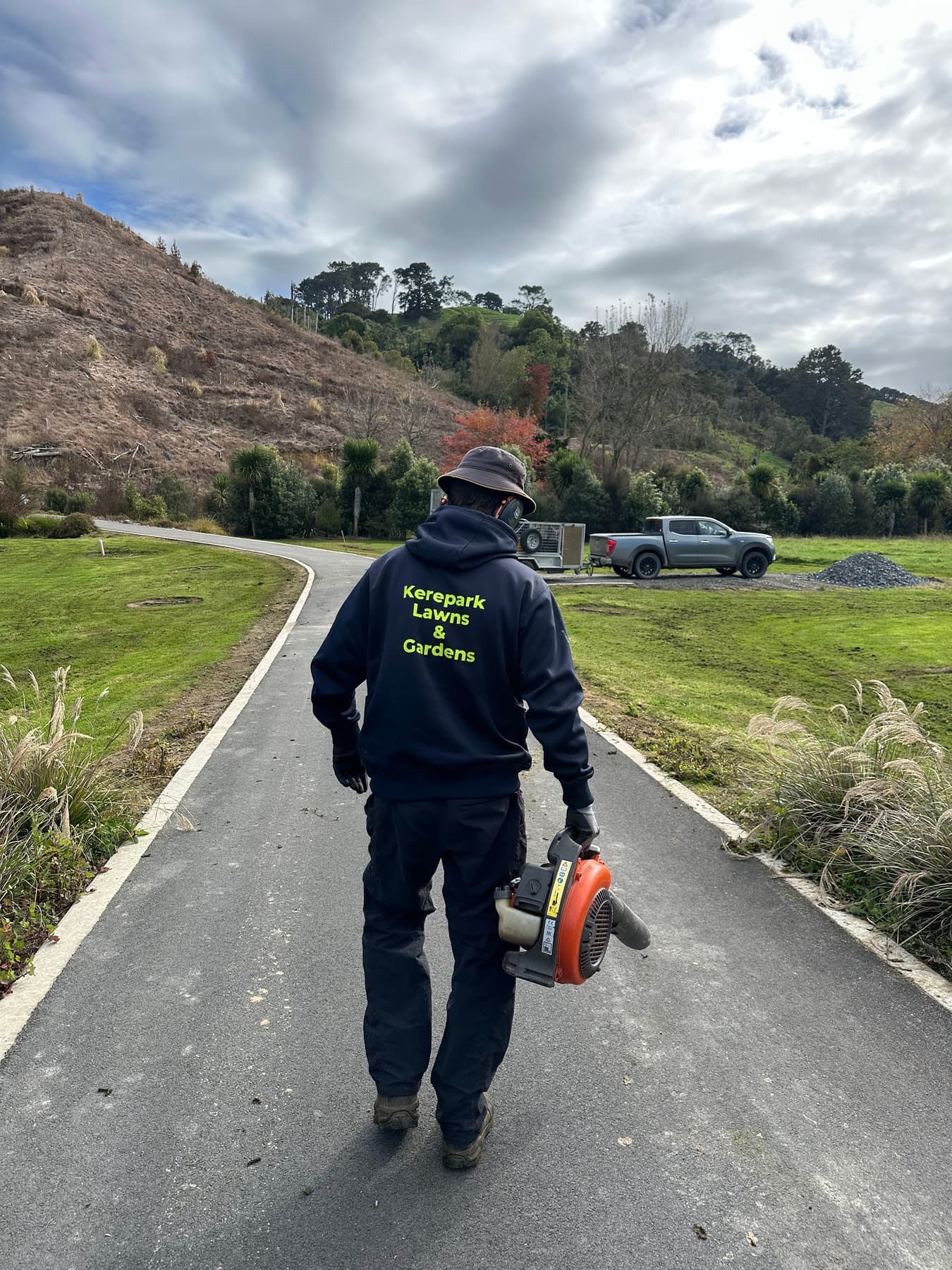
For busy households, retired homeowners and property managers, a design-build-maintain approach provides continuity. The people caring for the garden understand why each plant was chosen, how the drainage and irrigation were intended to work, and what the garden should look like as it develops. Kerepark Lawns & Gardens applies this long-term view from initial planning through construction and ongoing property care.
The right garden should give you more time to enjoy your grounds, welcome visitors or focus on the work that matters. Begin with a design that respects the way you live and the care you want to give it, then let thoughtful planting, durable construction and reliable seasonal attention do the hard work.