A rural garden rarely becomes difficult because of one missed mow. It becomes difficult when lawns, shelterbelts, hedges, orchard trees, paddock edges and garden beds are treated as separate jobs rather than one connected property. Professional rural property garden maintenance brings those areas into a practical plan, so the grounds remain orderly, healthy and enjoyable without consuming every weekend.
For Waikato lifestyle and rural property owners, the challenge is often scale. A property can look manageable from the house, yet include long boundary hedges, established trees, a large lawn, driveways, drainage lines, fruit trees and planting beds that all need attention at different times. The right maintenance approach protects the investment in the property while keeping the work proportionate to what the land actually needs.
Why Rural Property Garden Maintenance Needs a Plan
Rural grounds are exposed to conditions that smaller town gardens do not always face. Strong seasonal growth, wet ground, wind, shade from mature trees, leaf fall, animal pressure and long distances between garden areas can quickly add complexity. A reactive approach usually means work is only done once the property begins to look overgrown.
That may seem efficient in the short term, but it often creates more expensive work later. Hedges become woody and uneven, lawns are scalped after delayed mowing, weeds seed into beds, and fruit trees miss their ideal pruning window. Regular attention makes each visit more productive because the team can work with the season rather than trying to correct months of accumulated growth.
A planned service also creates consistency. The lawn edges are maintained, entrance planting stays presentable, high-visibility areas receive the right level of care, and less formal zones are managed sensibly rather than overworked. Not every part of a rural property needs to look like a formal garden, but every part should have a clear purpose.
Start With the Property’s Priorities
The best maintenance programme begins with a walk-through of the entire site. This is not simply a matter of measuring lawns. It means identifying how the property is used, what visitors see first, which plants require specialist care and where future problems are likely to develop.
For some owners, the driveway entrance, house gardens and entertaining spaces are the priority. For others, an orchard, mature shelterbelt or commercial frontage may need equal attention. A family using the lawn every day will need a different mowing standard from a lifestyle block where broad grassed areas are primarily there to look tidy and suppress weeds.
Divide the Grounds Into Maintenance Zones
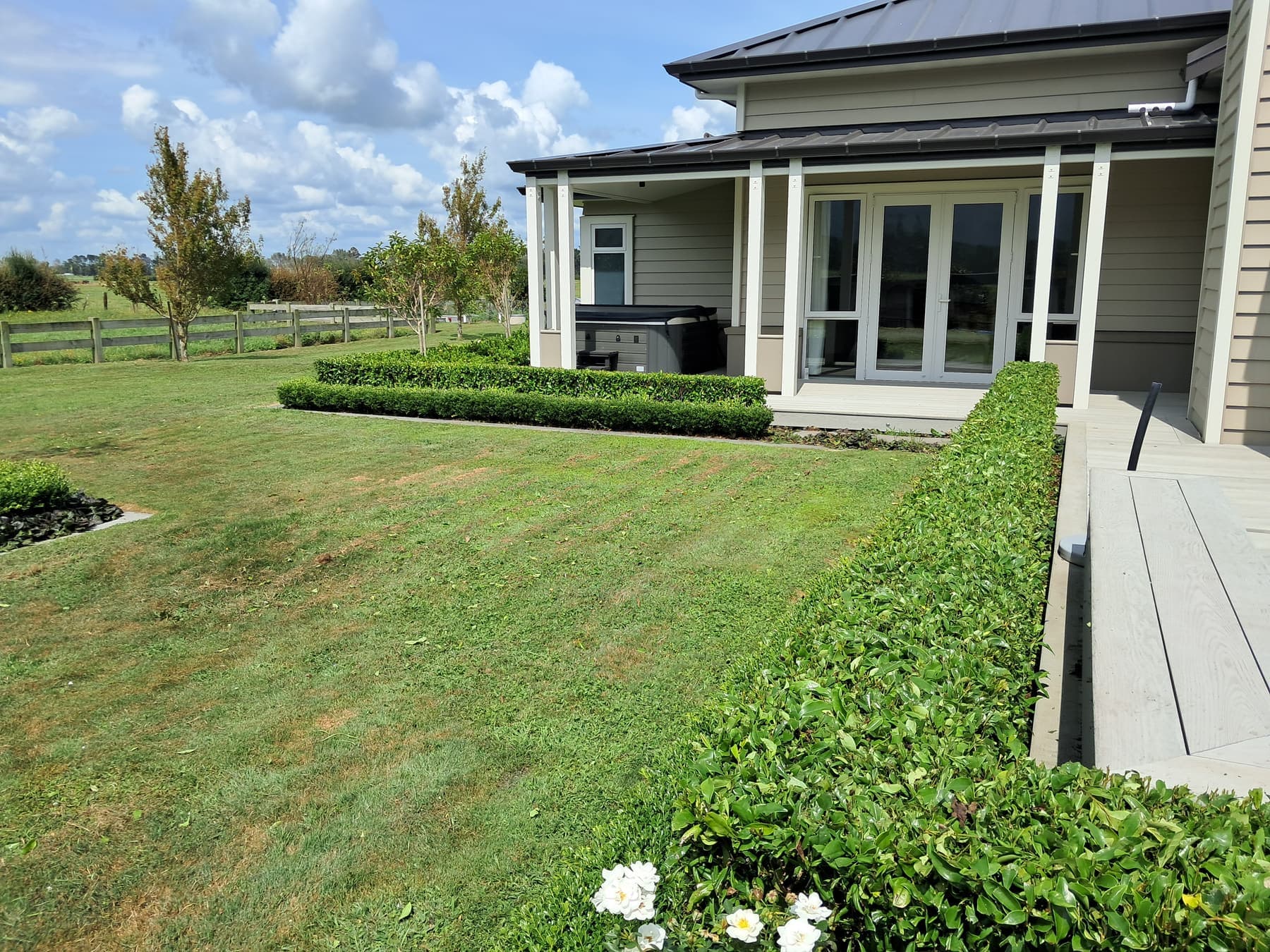
A useful plan separates the property into zones with different standards and frequencies. The area around the home may need detailed garden care and crisp lawn edges. A long driveway could need regular mowing, weed control and hedge trimming, while a boundary planting area might only need seasonal reduction, mulching and health checks.
This approach prevents two common mistakes: spending premium maintenance time in low-impact areas, or neglecting the parts of the property that shape its first impression. It also gives owners a clear understanding of what is included and why certain tasks are scheduled at particular times.
Protect Access and Infrastructure
Garden maintenance on a rural property must work around practical considerations. Gates, stock movement, water tanks, septic systems, drainage channels, sheds and shared driveways all affect how work is carried out. Good planning protects these assets rather than treating them as obstacles.
Access matters after heavy rain too. Some areas may be unsuitable for mowing equipment when the ground is saturated. In those conditions, a reliable contractor will adjust the sequence of work where possible instead of causing rutting or unnecessary damage. A tidy lawn is not worth compromising soil structure or drainage.
Lawn Care Beyond a Quick Mow
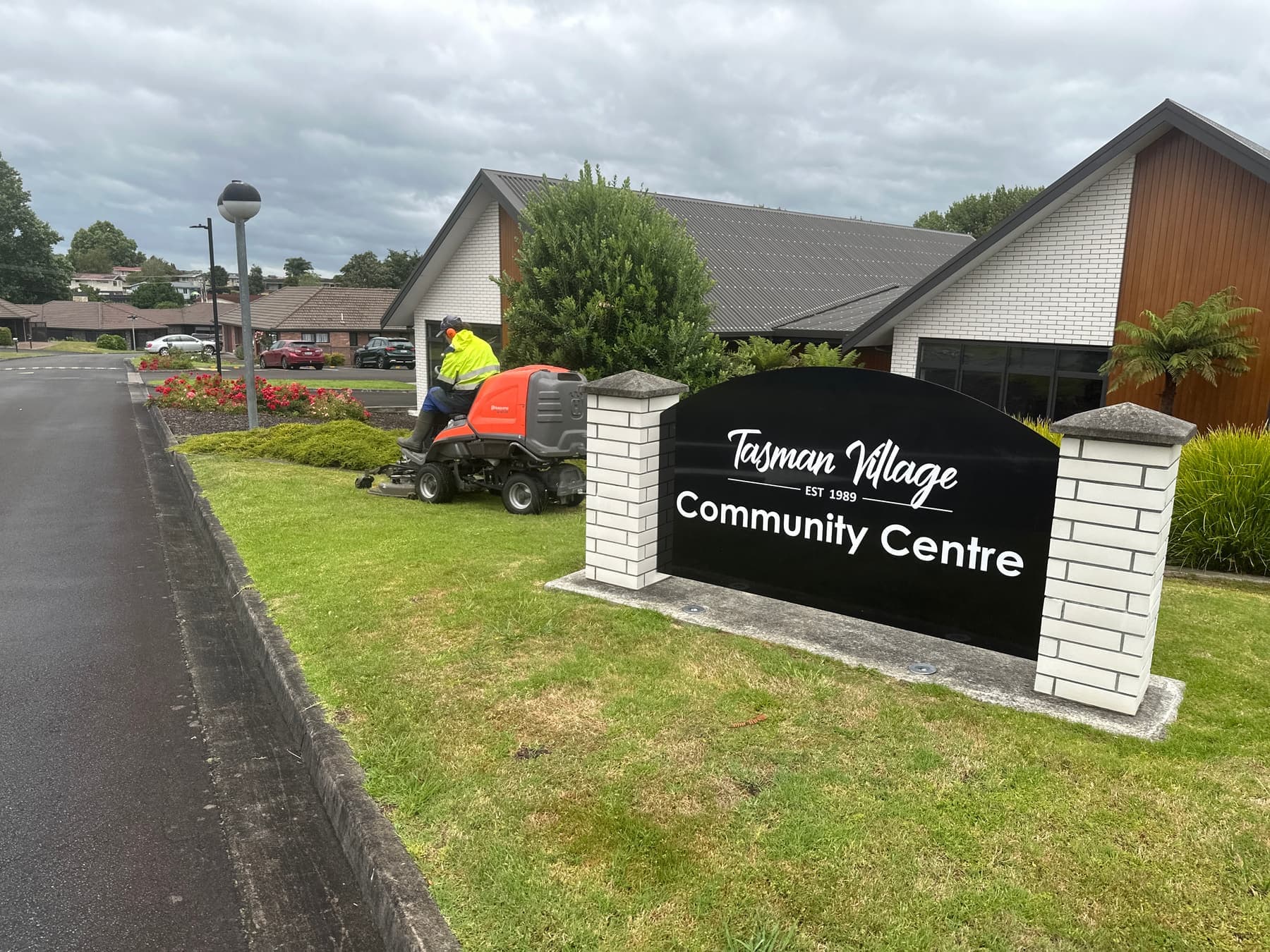
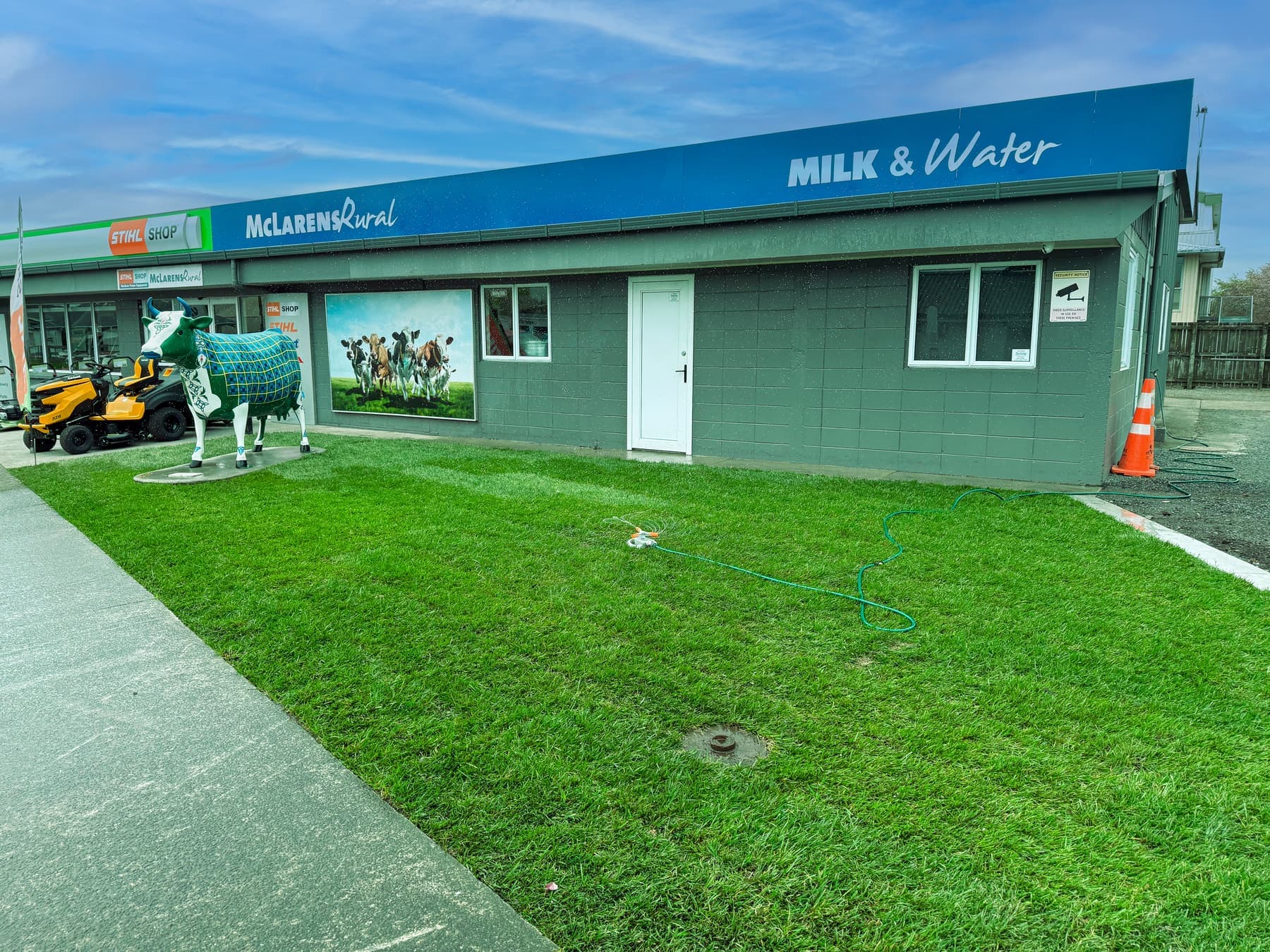
Large rural lawns can be one of the most visible features of a property and one of the easiest areas to underestimate. Mowing frequency should reflect growth rates, grass type, slope, access and the finish required. During Waikato’s active growing periods, waiting too long between cuts can leave clippings, weaken turf and produce an uneven result.
The mowing height also matters. Cutting too low may provide a sharp finish for a few days, but it can expose soil, stress grass and encourage weeds, particularly through dry or difficult periods. A better standard is a healthy, even lawn with clean edges and sensible care around trees, gardens and obstacles.
Seasonal lawn care may also include weed management, trimming around fences and posts, removal of excessive clippings, and attention to compacted or poorly drained sections. Where repeated lawn problems point to a broader issue, such as shade, tree-root competition or surface water, addressing the cause will deliver better value than simply mowing more often.
Hedges, Trees and Orchards Need Skilled Timing
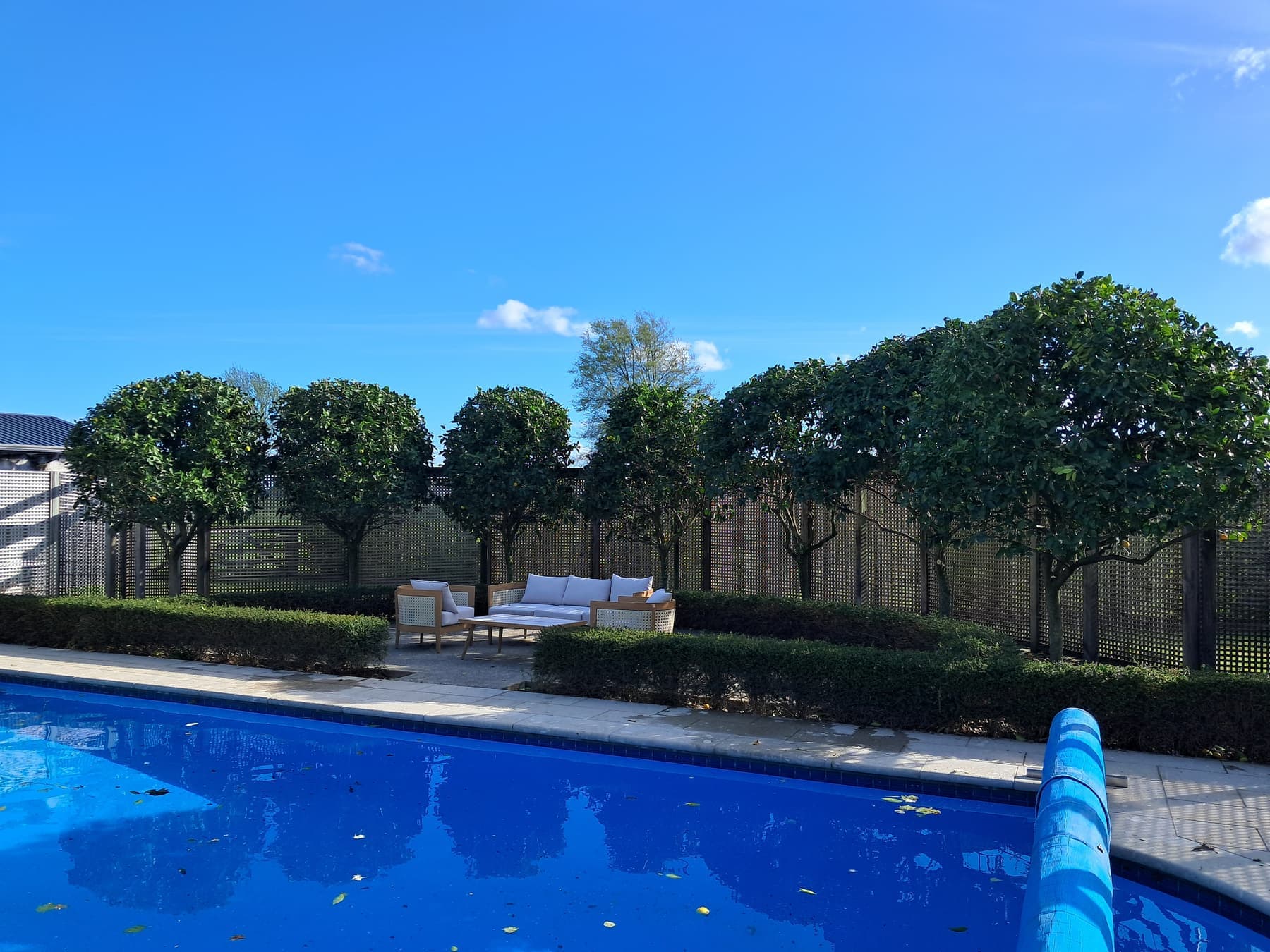
Hedges give rural properties structure, privacy and shelter, but only when their shape is maintained before they become oversized. Regular trimming encourages denser growth and makes it possible to retain a neat form without removing excessive green material. Once a hedge is allowed to grow beyond its intended dimensions, renovation can take several seasons and may not always restore the desired appearance.
Tree care requires even more judgement. Deadwood, low branches, crossing limbs and growth over driveways should be assessed with safety, tree health and future shape in mind. Work near buildings, power infrastructure or accessways calls for appropriate equipment and a careful site-specific method.
Fruit Tree Pruning Is Not General Trimming
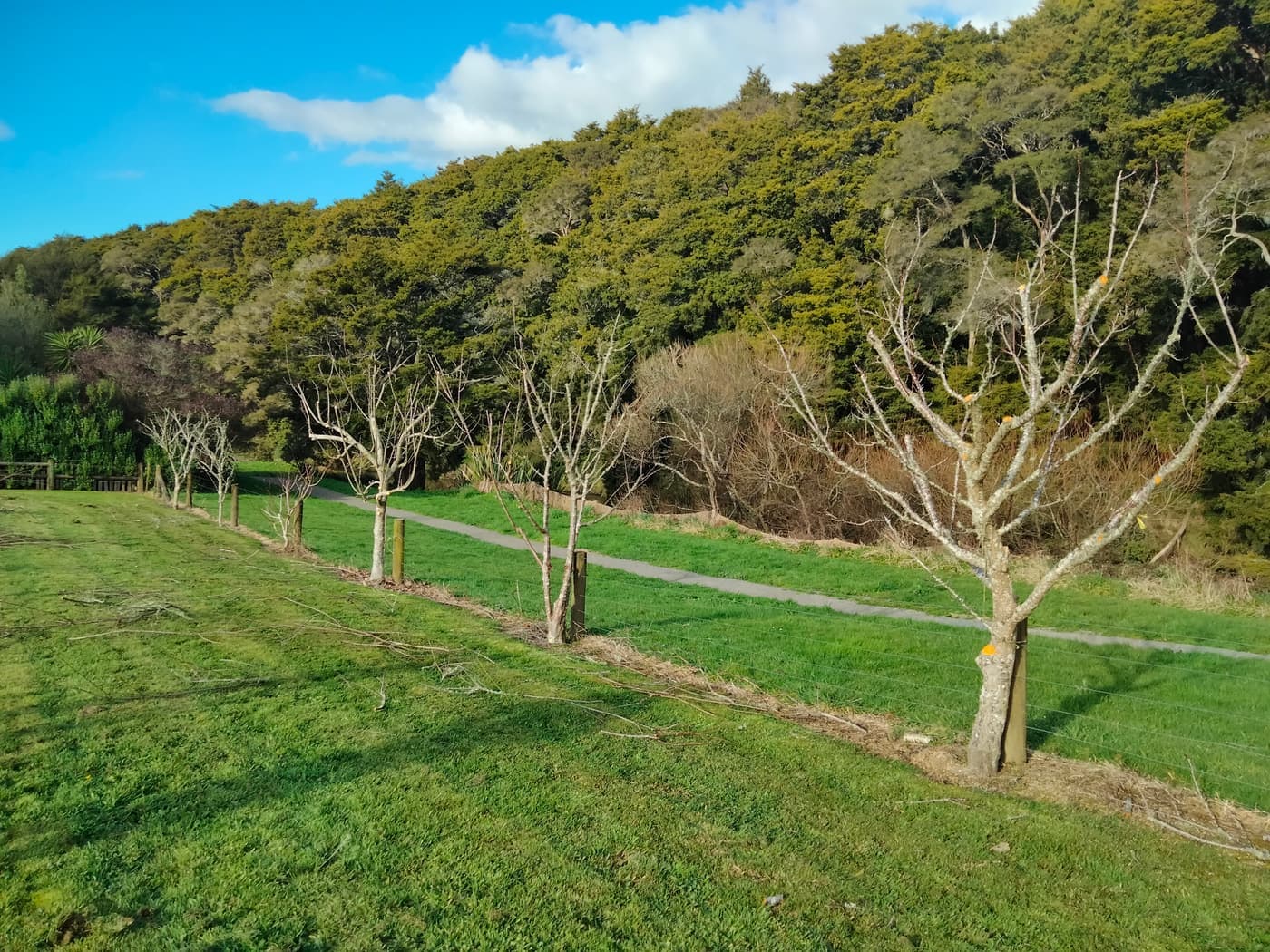
Orchard trees deserve a separate approach. Apples, pears, stone fruit and citrus respond differently to pruning, and the timing affects fruit production, airflow and disease pressure. Randomly shortening branches may make a tree look smaller, but it can also reduce productive wood or trigger vigorous, unhelpful regrowth.
Thoughtful fruit-tree pruning removes congested, damaged or poorly positioned growth while maintaining a form that can carry fruit and be managed safely. For an established home orchard, this work is often the difference between a few inaccessible, poor-quality crops and trees that remain productive for years.
Garden Beds Should Be Managed for Long-Term Health
Garden beds can make a rural home feel settled into its landscape, yet they are often the first area to decline when owners are busy. Weeds compete for moisture and nutrients, mulch breaks down, shrubs outgrow their space, and seasonal planting loses impact without regular care.
Effective bed maintenance is more than a quick tidy-up. It involves weeding before plants seed, pruning to preserve shape and flowering potential, checking irrigation where installed, replenishing mulch and reviewing whether plants are coping with their location. A shrub that repeatedly struggles in wet shade or exposed wind may need a different solution, not endless intervention.
This is where an integrated design-build-maintain approach has real value. Planting choices can be assessed against the reality of ongoing care. If a garden needs more resilience, clearer structure or easier access for maintenance, improvements can be planned and delivered without handing responsibility between separate providers.
Seasonal Work Keeps Costs Predictable
A well-managed rural property changes through the year, so maintenance should too. Spring often brings fast lawn growth, weed pressure and the need to prepare beds. Summer may require closer attention to moisture, mowing and presentation around outdoor living areas. Autumn is a good time for leaf management, selective pruning and planting preparation, while winter can suit structural hedge work, dormant pruning and planning for larger improvements.
The exact programme depends on the property. A sheltered Matangi garden will not grow in quite the same way as an exposed lifestyle block near Te Aroha, and a newly planted landscape needs different attention from mature grounds. The benefit of a scheduled service is not rigid timing. It is having an experienced team notice changes early and adjust the work accordingly.
Choose Reliable Care Over One-Off Catch-Ups
A single intensive visit can be useful before a sale, event or family gathering. However, it is rarely the best long-term answer for complex grounds. Recurring maintenance gives the property a consistent standard and lets small issues be handled before they become major jobs.
When choosing a contractor, look beyond the hourly rate. Ask whether the team can manage lawns, gardens, hedges, trees and orchard work in a coordinated way; whether they communicate clearly about changing priorities; and whether they respect access, buildings, stock areas and the wider property. The lowest-cost option can become costly if work is rushed, poorly timed or repeatedly needs correction.
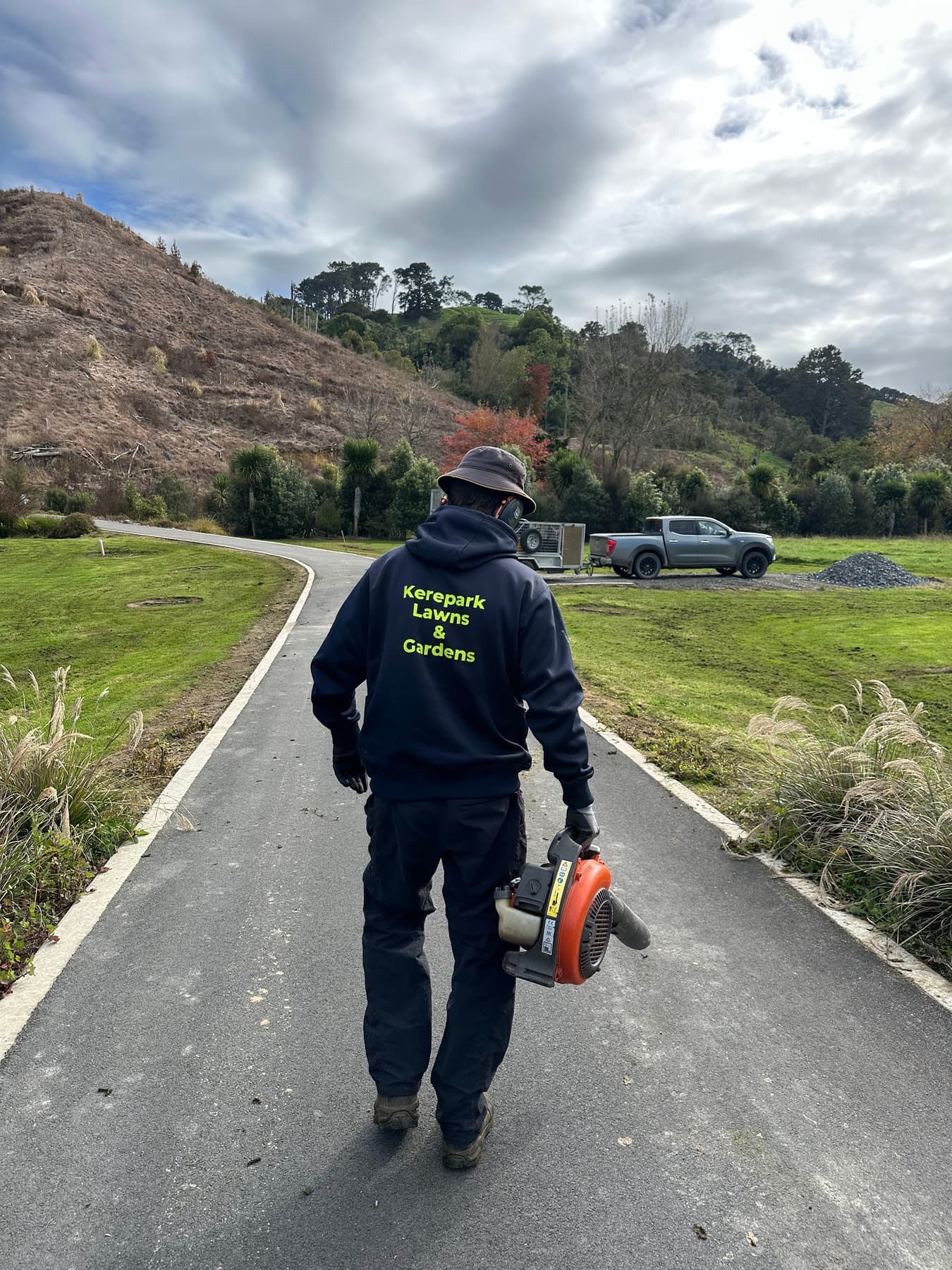
Kerepark Lawns & Gardens provides planned care for rural and lifestyle properties throughout the Waikato, combining practical maintenance with the capacity to improve, rebuild or extend outdoor areas as needs change. That continuity matters when a property is meant to look good not only after a major tidy-up, but throughout the year.
A well-kept rural garden should support the way you live on the property, not become another demanding job on the list. Start with the areas that matter most, establish a realistic seasonal programme, and give the grounds the steady care that allows them to mature with confidence.