A commercial site can look neglected long before anyone notices a failed light fitting or worn sign. Long grass at entry points, overflowing garden beds, uneven paths and unmanaged hedges all shape how tenants, customers, staff and visitors judge the business behind the property. The best commercial grounds care checklist gives property managers a practical way to protect presentation, safety and long-term asset value.
For Waikato sites, that checklist needs to account for fast seasonal growth, wet ground conditions, active foot traffic and the different expectations of every property. A retail frontage, medical practice, school, industrial yard and rural commercial premises will not need identical work. They do need a consistent standard and a maintenance plan that prevents small issues becoming costly ones.
Start with the purpose of each outdoor area
Before setting mowing frequencies or booking hedge trimming, divide the grounds into functional zones. The entrance, customer parking, footpaths, staff outdoor areas, building perimeter, boundary planting, loading zones and visible roadside areas each have a different purpose and level of public exposure.
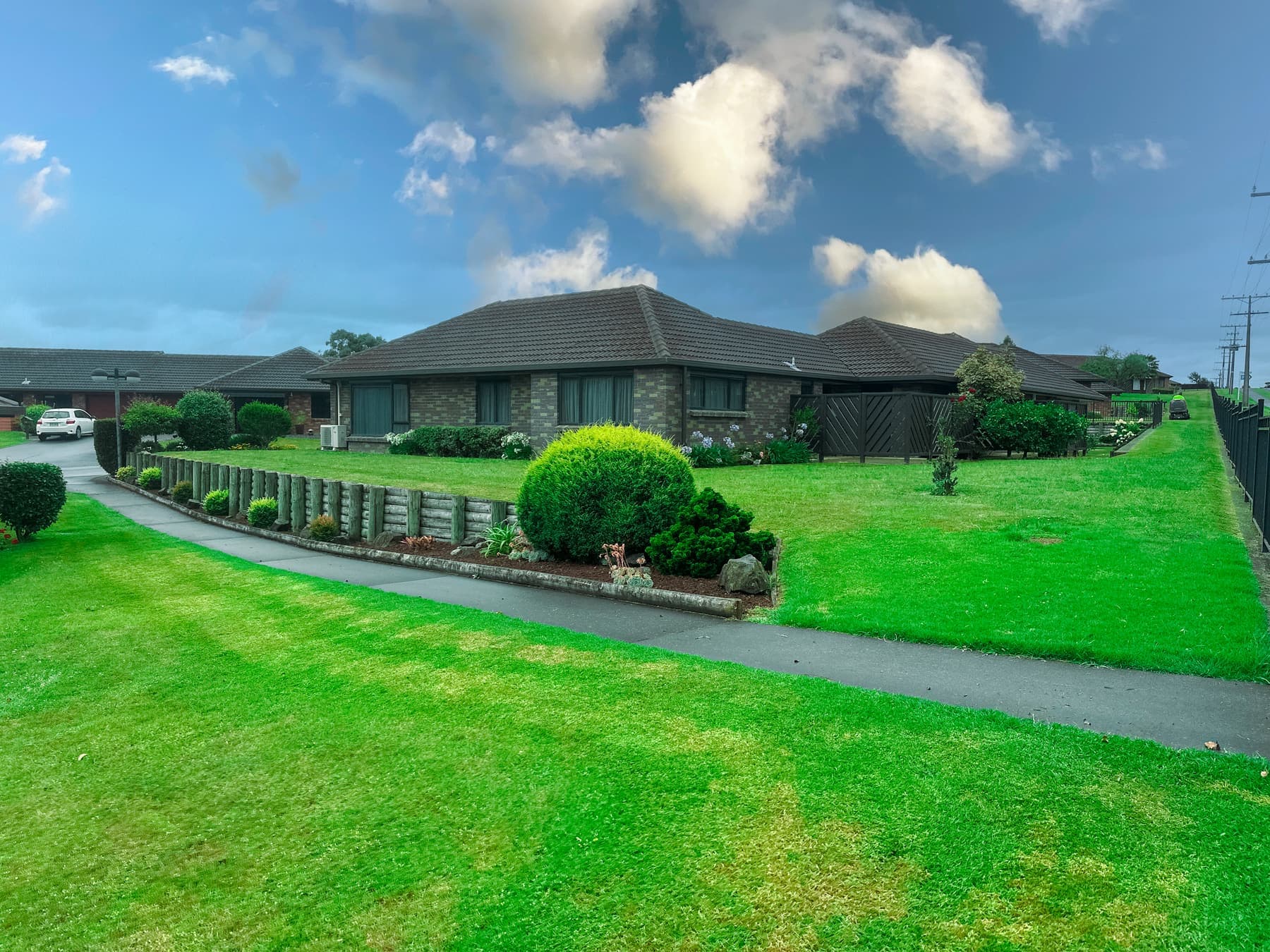
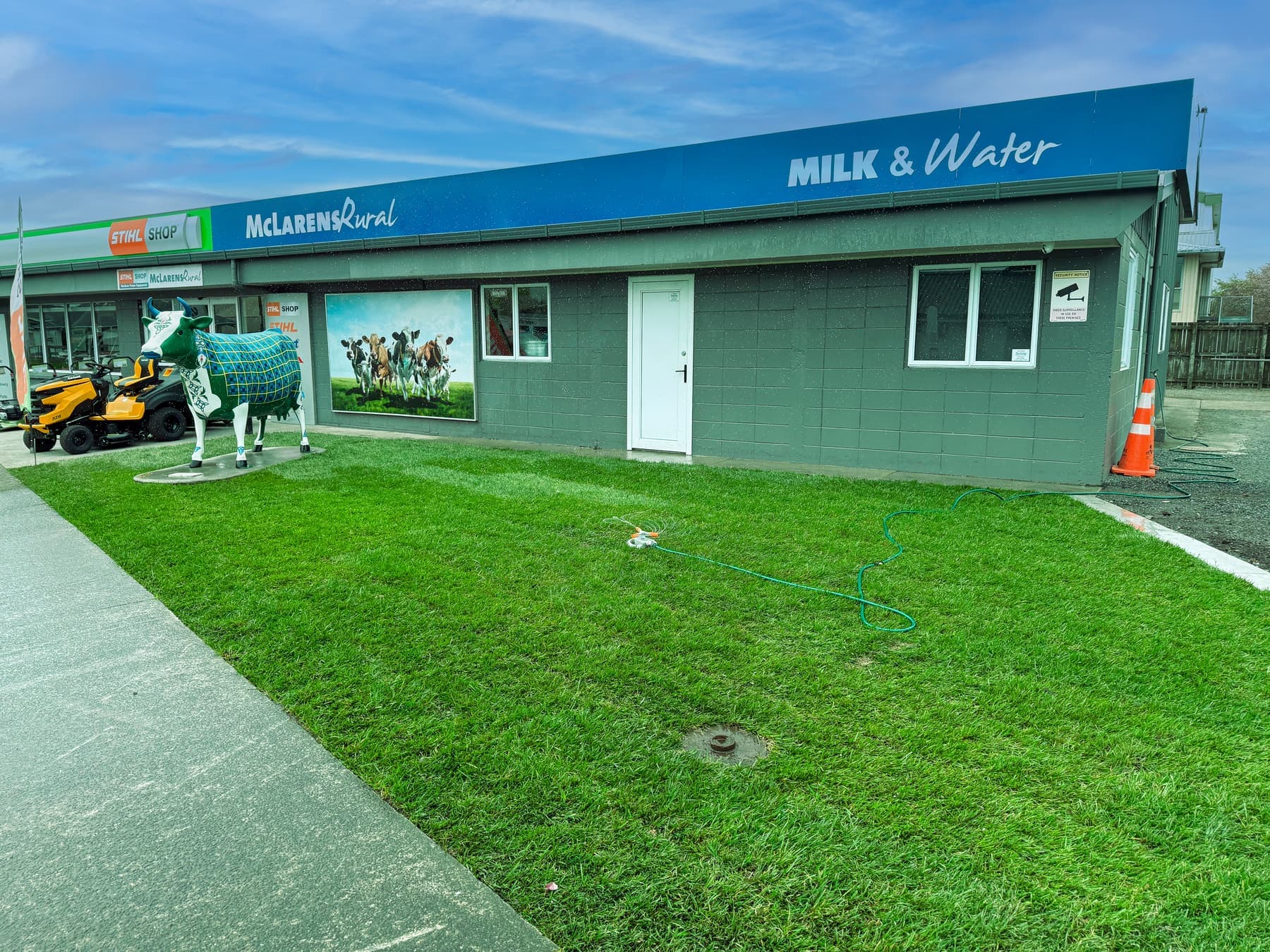
High-visibility zones require the sharpest presentation. Lawns should be evenly cut, garden edges defined, paths clear and planting healthy. Service areas may be more practical in nature, but still need to be safe, accessible and free of rubbish, weeds and overgrowth. This approach ensures maintenance spending is directed where it has the greatest effect.
A useful site assessment should record the condition of lawns, gardens, trees, hedges, hard surfaces, drainage and irrigation. It should also identify areas that are difficult to access, prone to pooling water or likely to create sightline issues for vehicles and pedestrians. Photographs taken from the same points each visit can provide a reliable record of change over time.
Best commercial grounds care checklist: safety first
A tidy site is valuable, but safe grounds are non-negotiable. Grounds care should support the daily operation of the property rather than create avoidable hazards for staff, visitors or contractors.
Check paths, parking areas and entrances for loose pavers, slippery organic matter, low branches, uneven surfaces and drainage problems. Wet leaves and moss can quickly make a shaded footpath hazardous, particularly through Waikato’s wetter months. Tree limbs over parking spaces, accessways or buildings should be assessed early, not after a storm.
Your routine inspection should also cover:
- clear access to entrances, exits, fire services and waste collection points;
- vegetation kept back from signs, security cameras, exterior lighting and vehicle sightlines;
- damaged branches, unstable trees or hanging debris requiring prompt attention;
- weeds growing through paved areas, kerbs and building edges; and
- standing water, blocked drains or erosion around paths, gardens and car parks.
The right response depends on the risk. A few weeds in a rear boundary bed can usually be included in the next scheduled visit. A fallen limb across an accessway, a slippery front path or an obstructed emergency exit calls for immediate action. Clear reporting arrangements help ensure urgent issues are not lost in a routine maintenance schedule.
Set standards, not just visit dates
A fortnightly or monthly visit is only useful when everyone understands what a completed site should look like. Seasonal growth changes quickly, so a fixed calendar without clear quality standards can leave a property looking under-maintained between visits.
For lawns, specify an acceptable mowing height, trimmed edges, removal of clippings from hard surfaces and the expected finish around signs, kerbs and garden beds. Avoid cutting lawns too short simply to stretch the time between visits. Scalping stresses turf, encourages weeds and leaves the site looking dry and patchy during warmer weather.
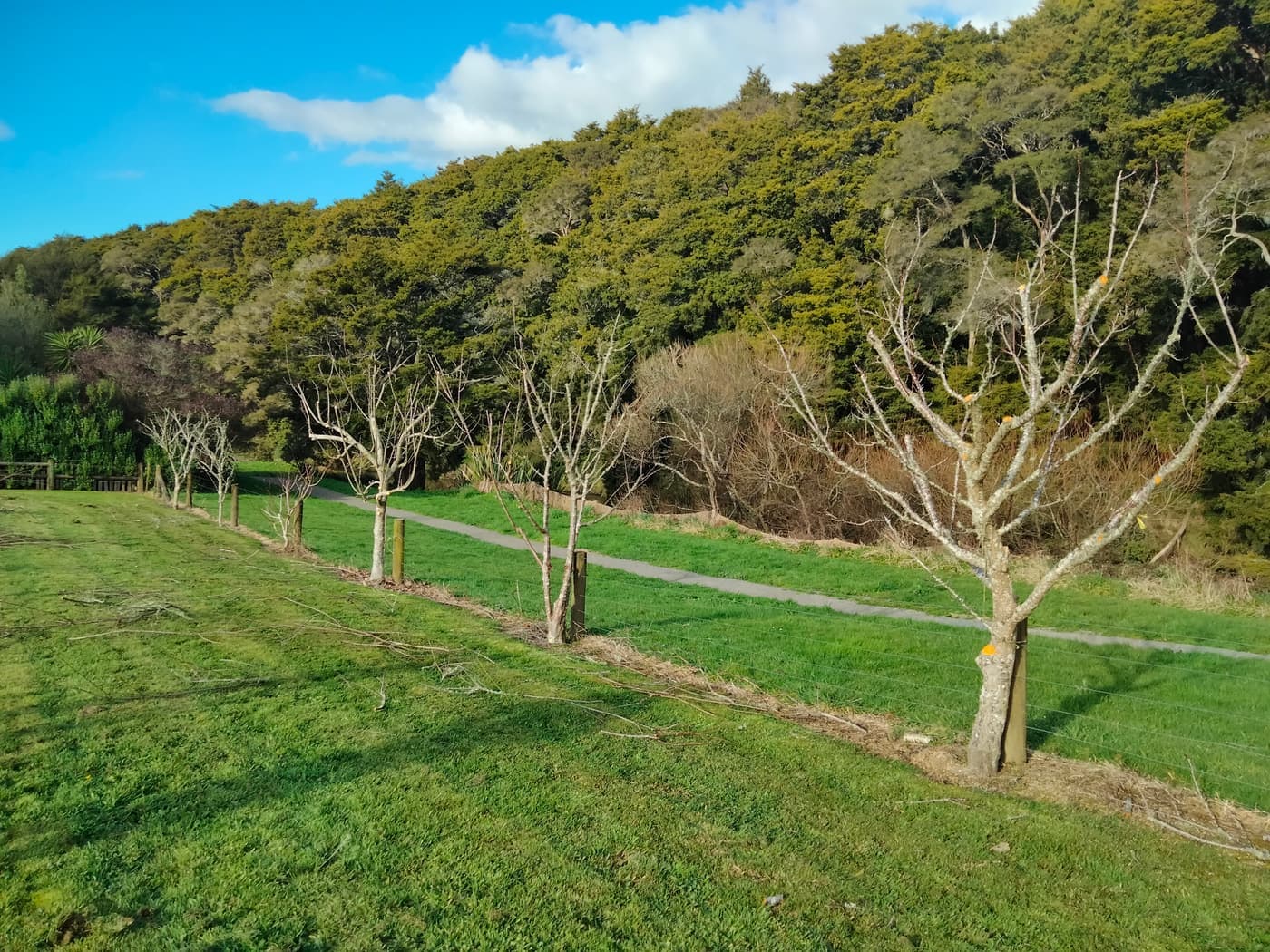
For gardens, agree on a weed threshold, mulch depth, pruning standard and replacement plan for failing plants. Newly planted areas often need more attention than established borders, particularly through their first summer. A site with mature trees may need periodic arboricultural work rather than frequent general pruning.
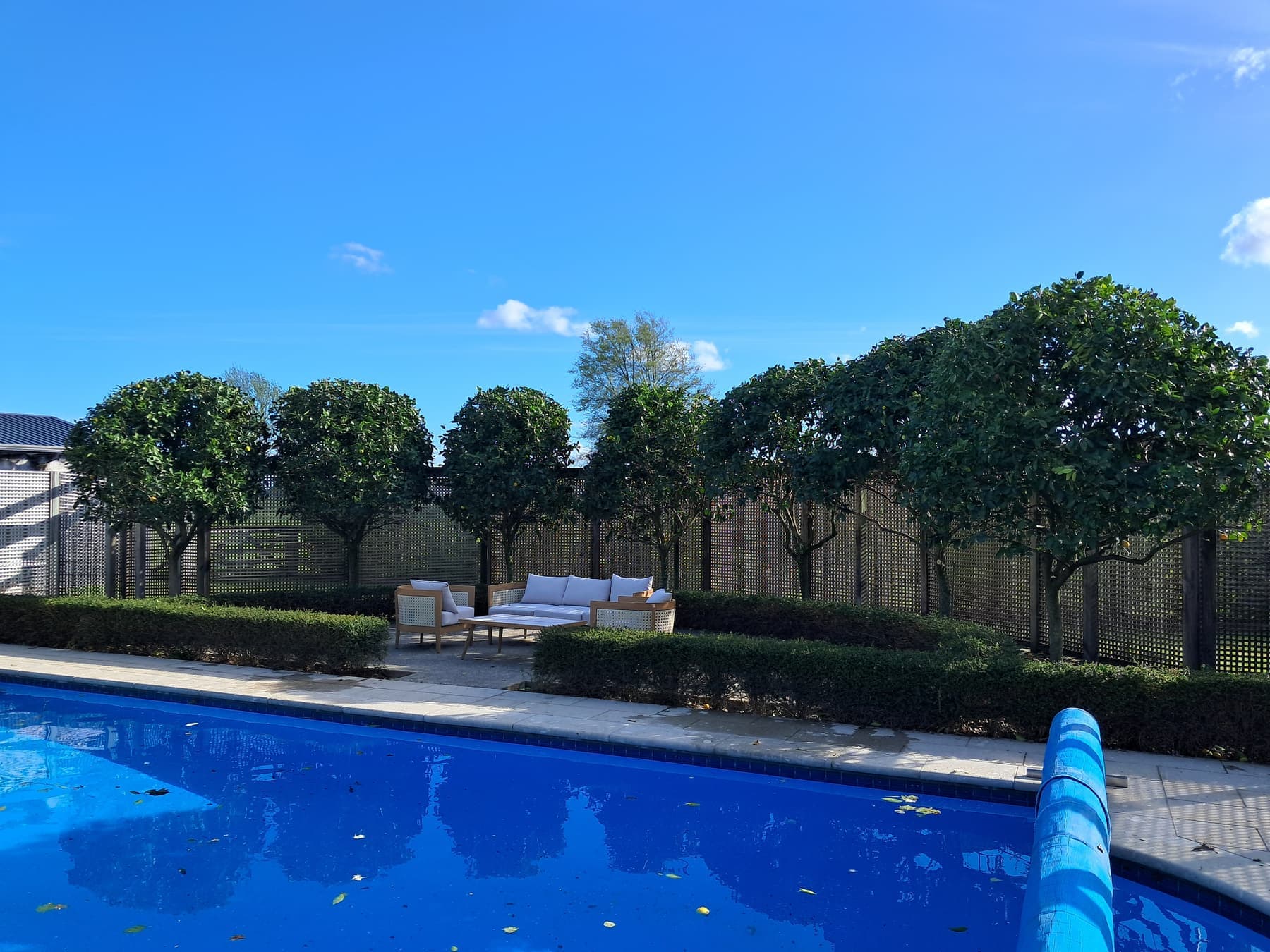
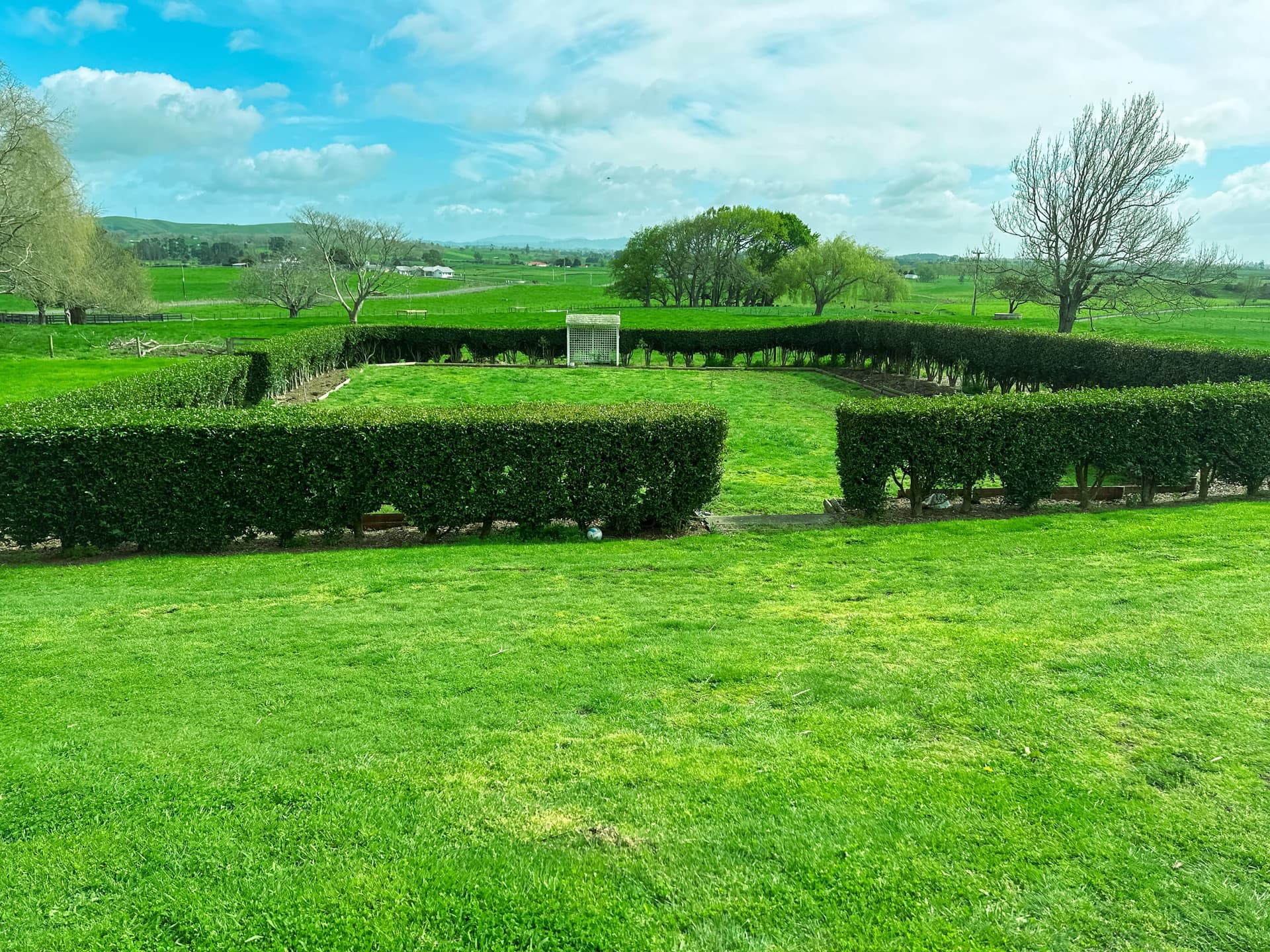
Hedges deserve their own standard. They should be shaped to suit the species and location, not clipped indiscriminately into a hard line. Over-pruning can expose bare wood and reduce plant health, while neglected hedges can block visibility and become expensive to restore. Regular, measured trimming is usually better value than a major corrective cut every few years.
Match the schedule to growth and use
Commercial grounds care works best as a flexible programme. Grass growth, leaf drop, rainfall, tenant activity and special events all affect what is needed from month to month.
During peak spring growth, lawns and edges may need attention every one to two weeks. In slower periods, the interval can be extended if the site continues to meet its agreed standard. Garden maintenance is often most effective when carried out regularly in smaller sessions, allowing weeds to be removed before they seed and plant health problems to be spotted early.
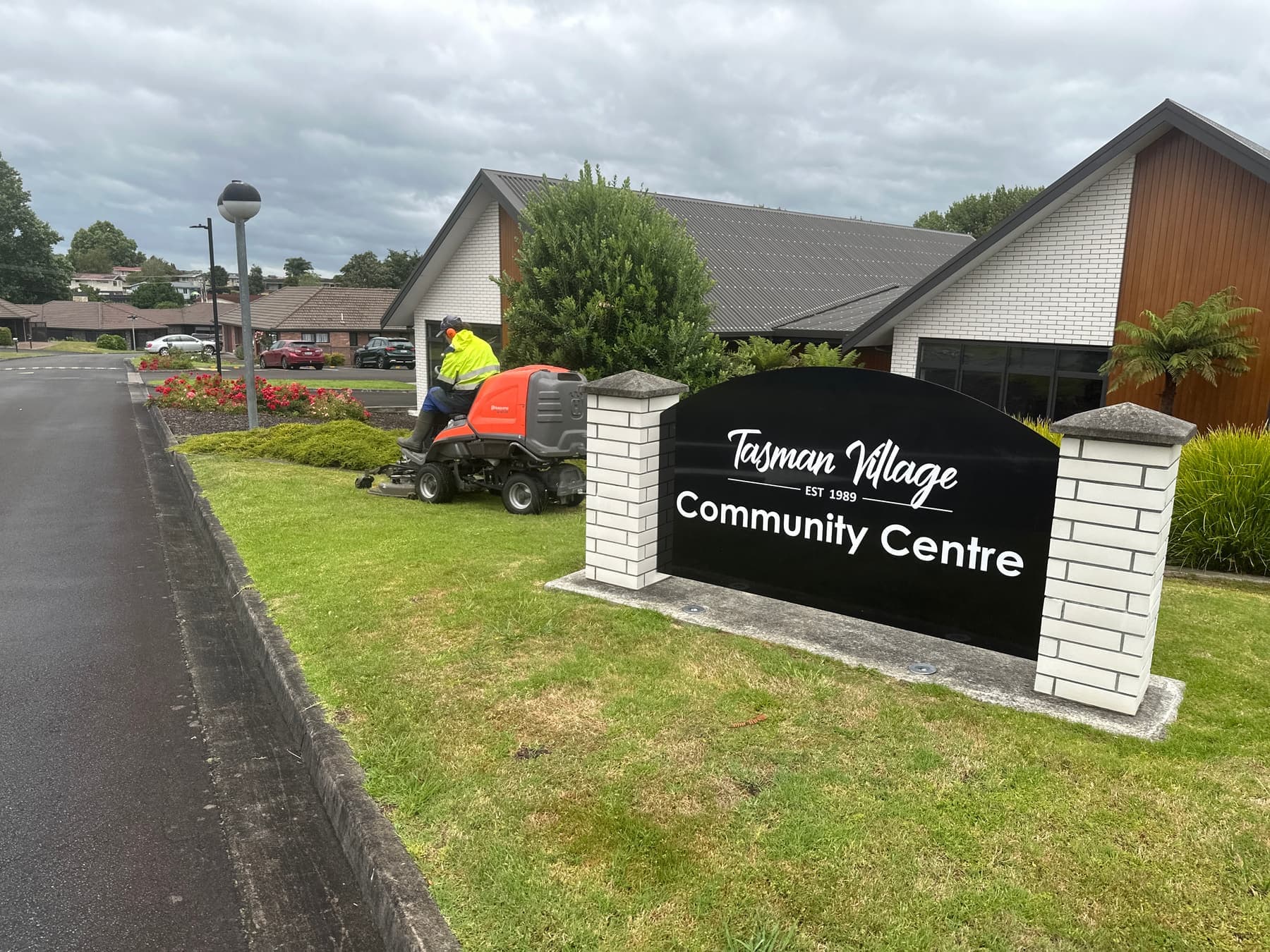
Consider the operational rhythm of the site as well. A retail centre may need work completed before opening or outside peak trading periods. An industrial property may require mowing around delivery schedules and vehicle movements. Professional teams should plan safe access, communicate arrival times and leave the grounds clean and ready for normal use.
This is where an integrated maintenance provider can make a meaningful difference. The team maintaining the property sees gradual changes in plant performance, drainage and turf condition. That knowledge helps identify when a small adjustment, such as improving mulch, repairing irrigation or replacing a struggling plant, will prevent a larger project later.
Build seasonal tasks into the programme
Seasonal planning protects the appearance and health of the grounds while reducing reactive work. Spring is the time to manage vigorous lawn and weed growth, inspect irrigation and refresh planting where needed. Summer care should focus on watering efficiency, mulch, turf stress and the early signs of pest or disease pressure.
Autumn is valuable for leaf management, pruning selected plants, planting and preparing gardens for cooler conditions. Winter is often the right period to assess drainage, undertake structural tree work where suitable and address hard-surface moss or algae. Not every task belongs in every season, and pruning timing must suit the plant species, flowering cycle and local conditions.
A commercial grounds plan should also allow for one-off requirements. This may include a site presentation before an inspection, tenant opening, staff function or community event. Planning these tasks in advance is more efficient than requesting an urgent overhaul days beforehand.
Choose a contractor who can see the whole property
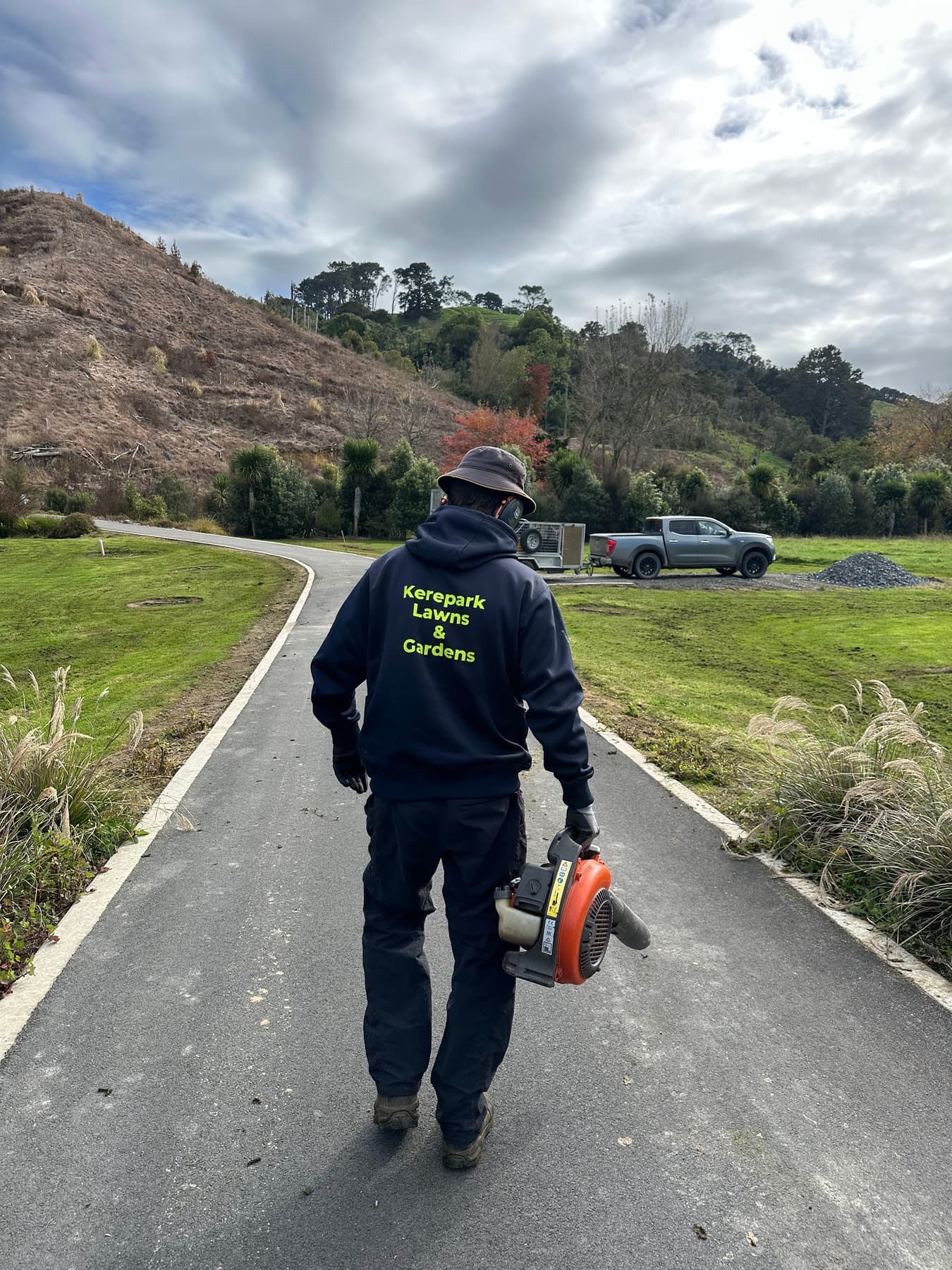
Commercial grounds care is not simply mowing a lawn and blowing off a path. The contractor should be capable of assessing how lawns, gardens, trees, accessways and built features work together. They should also have appropriate equipment, trained staff, safe work practices and a dependable communication process.
Ask how site instructions are recorded, how urgent issues are reported and whether the provider can coordinate specialised tree care, planting, garden improvements or seasonal clean-ups. A low price can be attractive, but it may exclude the detail that protects presentation: edging, weed control, rubbish removal, reporting and careful work around vehicles and public areas.
For larger or complex properties, one accountable team can reduce gaps between contractors and provide clearer responsibility for the overall outdoor environment. Kerepark Lawns & Gardens works with commercial clients across the Waikato to create maintenance programmes that reflect the site, its users and the standard expected of the business.
Keep records that support better decisions
A checklist is most valuable when it becomes a working record, not a document filed away after the first inspection. Keep service reports, photographs, notes on hazards, seasonal observations and recommendations for future work. These records make budgeting more accurate and provide a useful reference when management, tenants or contractors change.
Review the programme at least annually. If lawns are repeatedly stressed, hedges need excessive correction or drains block after every heavy rain, the answer may be a site improvement rather than more frequent maintenance. Well-planned grounds care should improve the property year after year, not merely keep it presentable from one visit to the next.
A well-kept commercial site reassures people before they step through the door. Set a clear standard, inspect it consistently and give the grounds the skilled attention they need to remain safe, healthy and ready for business.