A commercial site is assessed before anyone reaches the front door. Long grass along the kerb, overgrown hedges at a car park entrance or untidy planting beds can suggest poor attention to detail, even when the business inside is well run. This guide to commercial site presentation sets out how to manage your grounds as a practical asset: one that supports safety, strengthens first impressions and protects the value of the property.
For Waikato businesses, presentation also needs to stand up to wet winters, fast spring growth, dry summer periods and the daily wear of vehicles, staff and visitors. The aim is not a garden that looks perfect for one day. It is an outdoor environment that remains tidy, healthy and easy to manage throughout the year.
Why commercial site presentation affects business value
Your grounds are part of the customer experience. For a retail premises, office, aged-care facility, showroom, school or industrial site, the exterior tells visitors where to go, whether the site feels safe and how carefully the organisation looks after its standards.
A well-presented site also makes day-to-day operations easier. Clearly maintained accessways, trimmed sightlines and healthy lawns give staff and visitors room to move confidently. Regular care identifies small issues before they become larger jobs, such as a broken irrigation head soaking a garden bed, a low branch obstructing vehicle access or weeds taking hold in hard surfaces.
Presentation should not be confused with adding more garden features. A simple landscape, properly maintained, will usually perform better than an elaborate one without a realistic care plan. The right balance depends on your site, public visibility, foot traffic, budget and the standard your customers expect.
Start with the arrival experience
The most valuable view of any commercial property is often the one seen from the road and the car park. Walk the route your customers, tenants, delivery drivers and staff use. Look at the site as they do, rather than from inside the building.
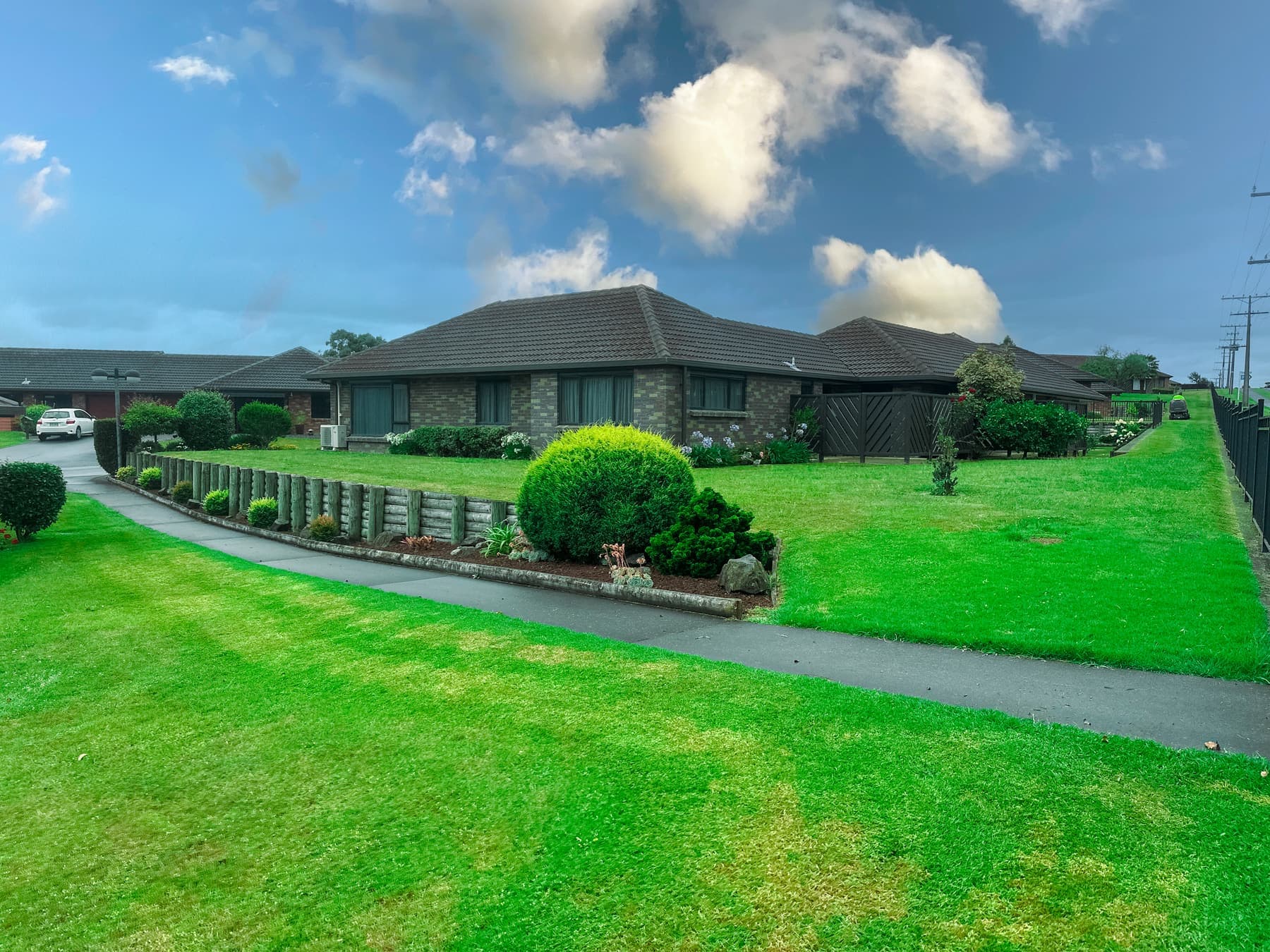
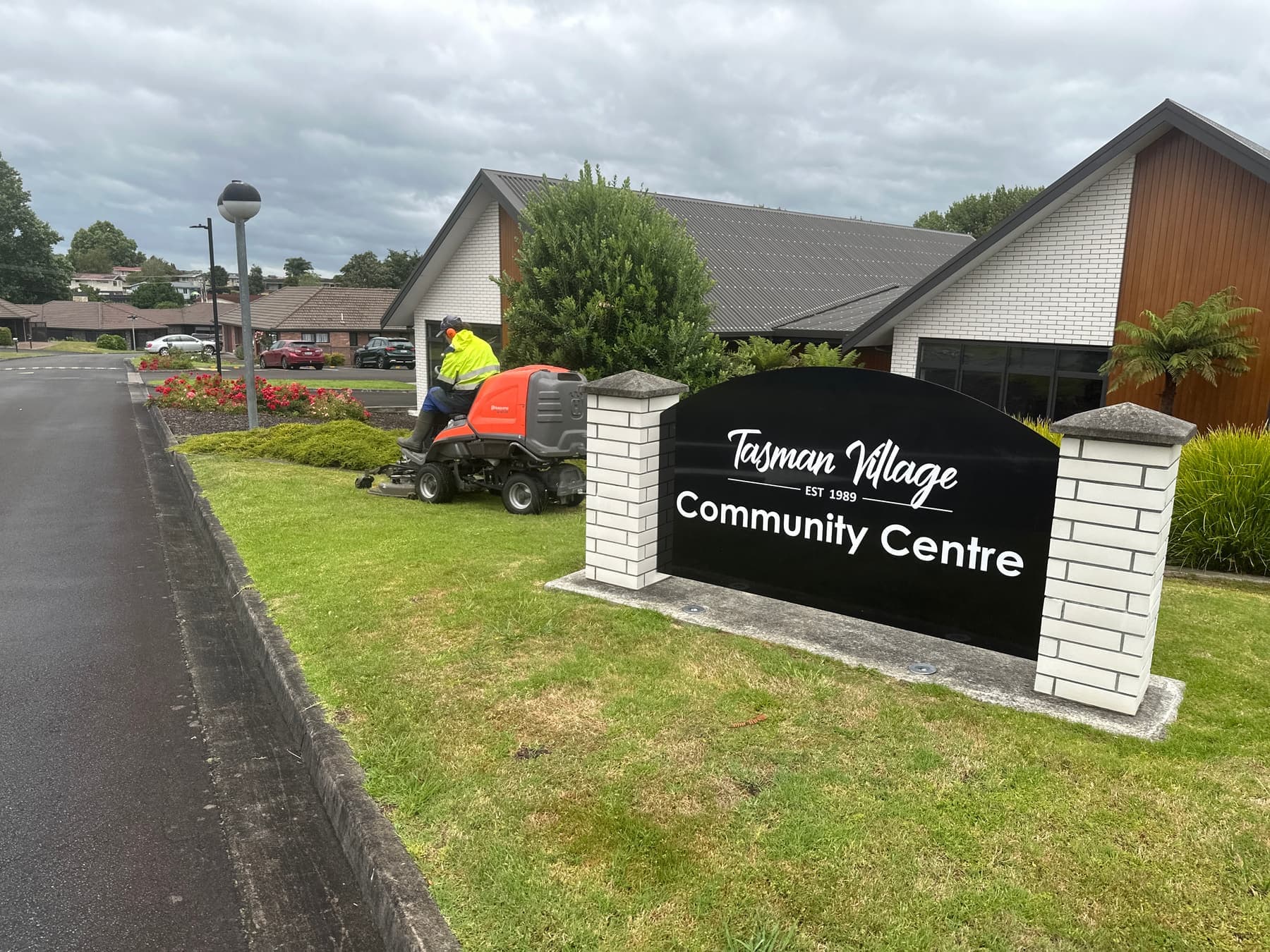
Pay close attention to entry signage, the edge of the driveway, car park islands, paths, reception approaches and building frontage. These are high-visibility areas where mowing lines, hedge shape, weed control and rubbish removal make an immediate difference. They should receive a higher level of attention than less visible boundary areas, particularly if maintenance spend needs to be prioritised.
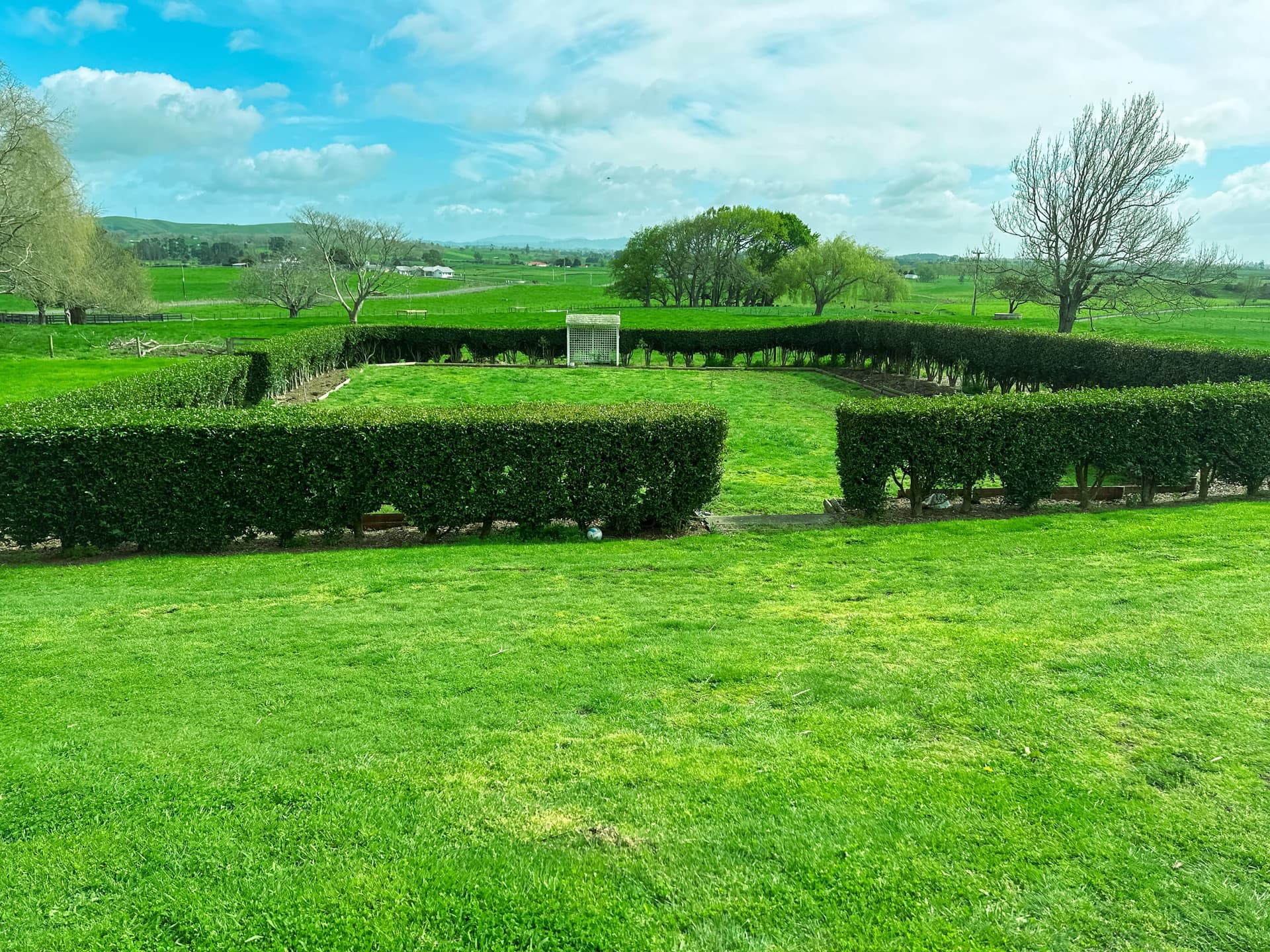
Planting near entrances should frame the building rather than hide it. Low, structured planting can add colour and softness without restricting sightlines. Larger shrubs and trees need enough room to mature without interfering with signs, lighting, paths or vehicle movements. This is where good landscape planning avoids repeated pruning costs later.
Keep access safe and obvious
Commercial grounds must work for more than appearance. Pathways should be clear of encroaching plants, slippery leaf litter and loose material. Vehicle entrances need adequate visibility, while pedestrian routes should be easily understood from the moment someone arrives.
Tree and hedge maintenance is particularly important around car parks and entrances. Branches can obscure lighting and signs, scrape vehicles or create hazards after strong winds. A scheduled programme of trimming, tree care and seasonal checks is generally more cost-effective than responding only when a problem becomes urgent.
Build a maintenance plan around growth, not emergencies
The most reliable commercial sites are maintained to a schedule that reflects how each area grows and is used. A weekly or fortnightly visit may suit lawns and highly visible gardens during peak growing periods, while lower-use zones can often be serviced less frequently. There is no one schedule that works for every property.
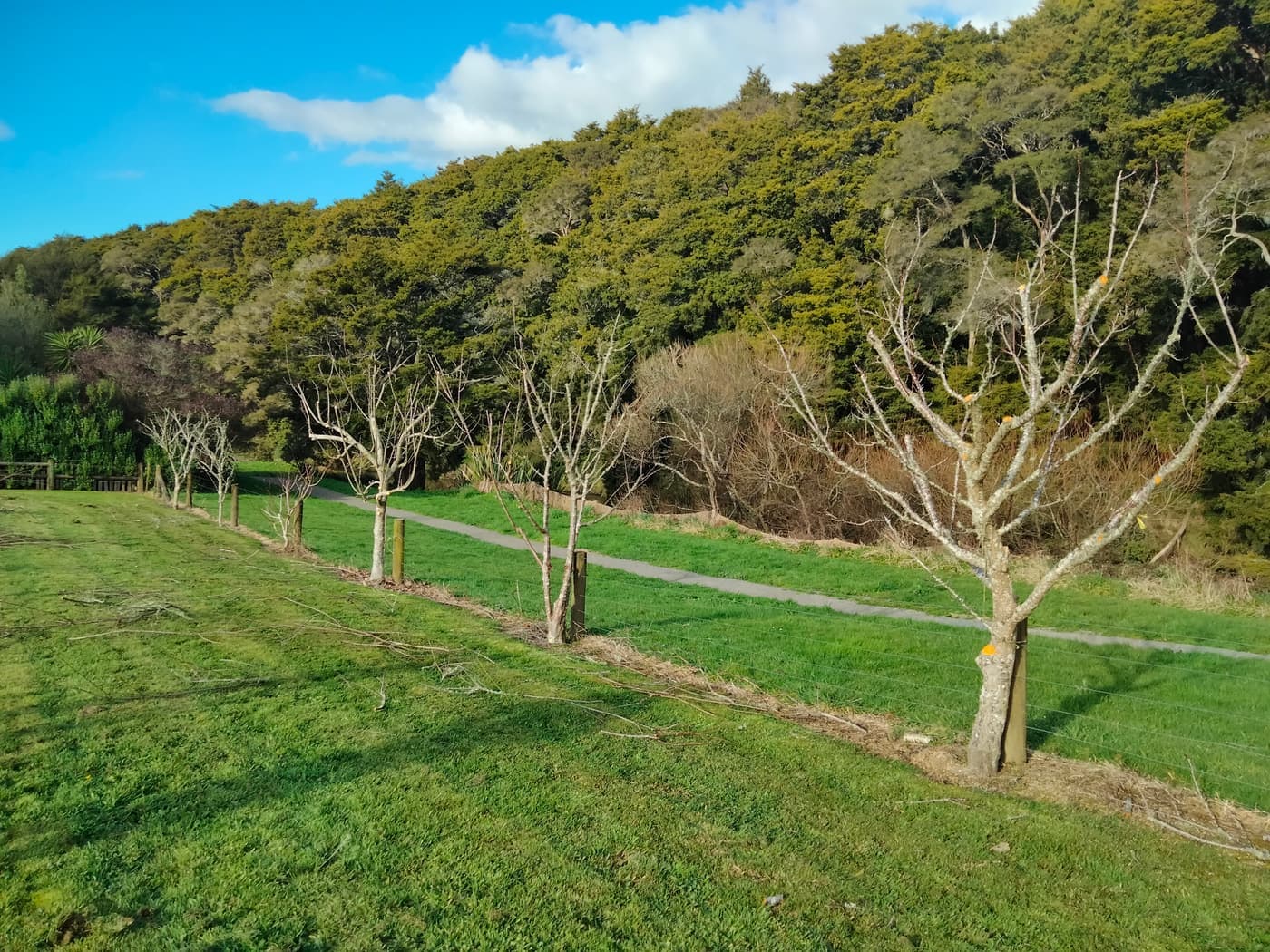
A practical programme normally considers lawn mowing, edging, garden-bed weeding, hedge trimming, pruning, green-waste removal and seasonal plant care. It should also allow for site-specific work such as orchard management, shelterbelt trimming, ride-on mowing for larger grounds or clearing around drainage areas.
Reactive maintenance can appear less expensive at first because it postpones work. In practice, waiting until lawns are overgrown, hedges have lost form or weeds have seeded often means more labour is required to restore the site. Regular care creates a consistent standard and makes costs easier to forecast.
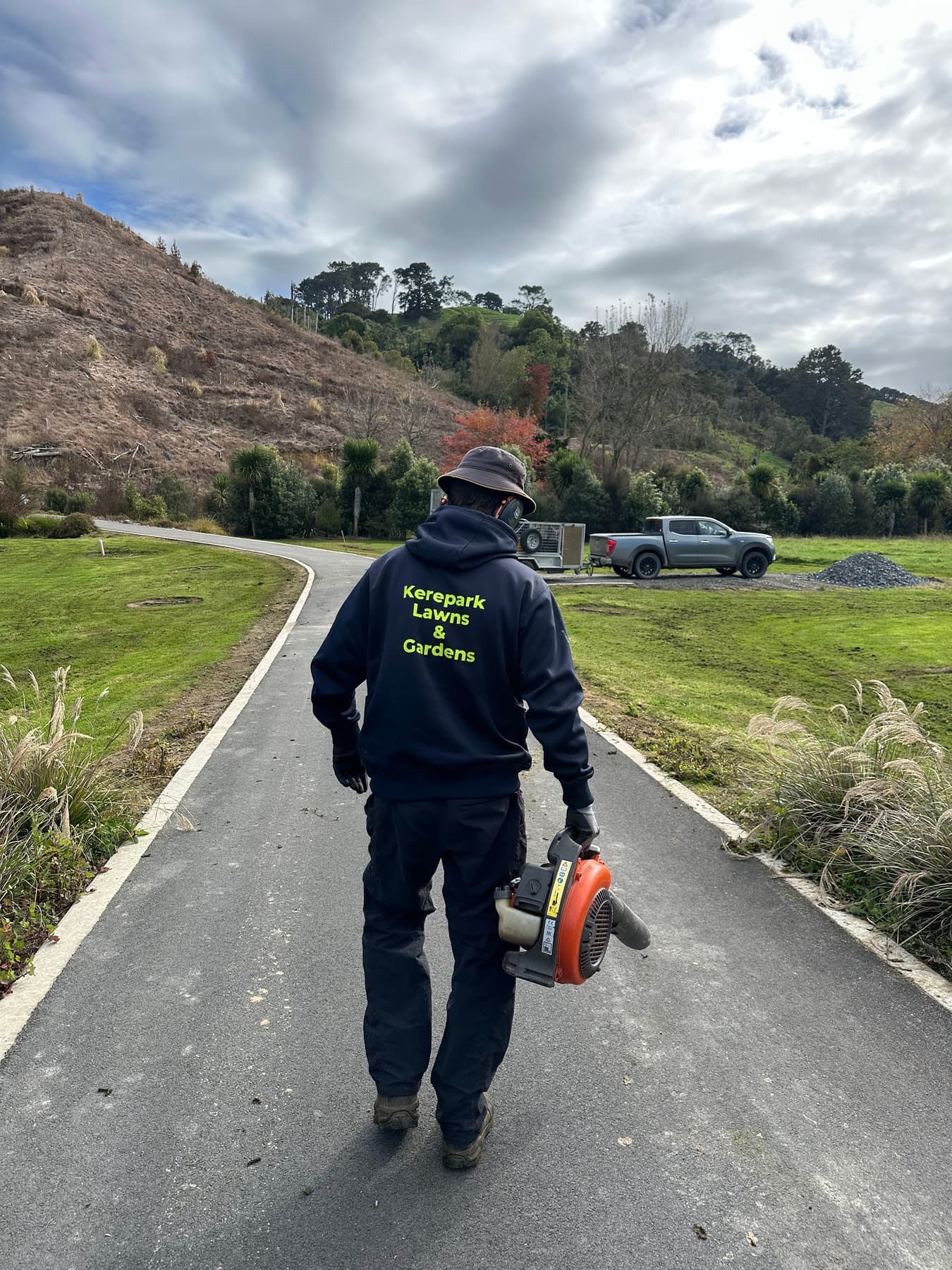
For sites with public-facing gardens, appointing one accountable team can also improve continuity. The people caring for the grounds understand where water pools, which plants struggle in summer and which boundary areas need closer attention. Kerepark Lawns & Gardens takes this design-build-maintain approach because long-term results rely on decisions made well before the next mowing visit.
Choose planting for durability and care requirements
Plant choice has a major influence on commercial site presentation. The best plants are not necessarily the most decorative at the nursery. They are the plants that suit the available light, soil, drainage, wind exposure and level of maintenance your property can sustain.
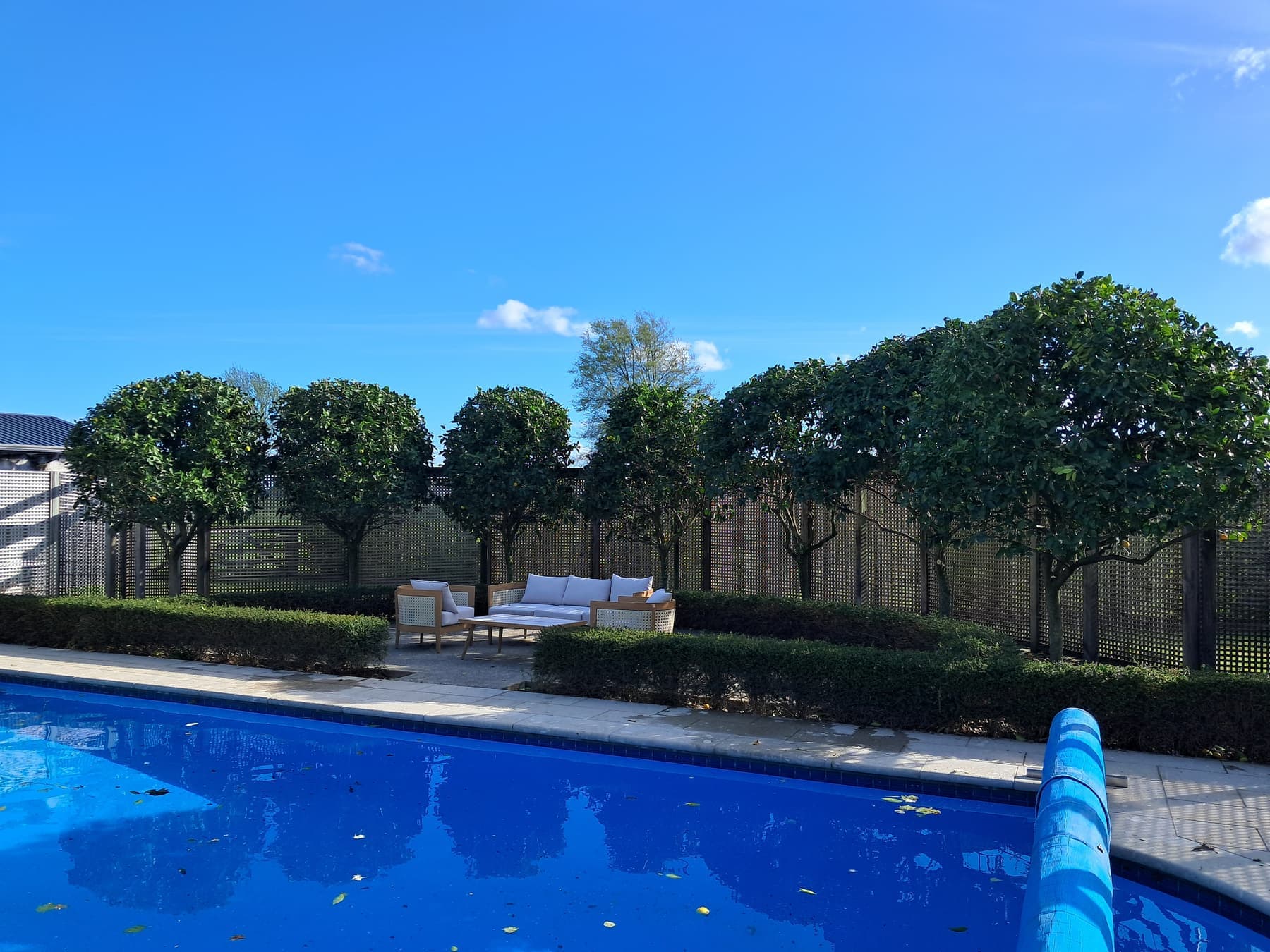
For example, a formal entry garden may justify clipped hedging and seasonal colour if the business requires a polished, premium appearance and has the budget for regular detail work. A large industrial boundary may be better served by hardy mass planting, mulch and well-spaced trees that provide structure without demanding constant intervention.
Consider how planting will look after rain, during summer stress and between maintenance visits. Dense planting can suppress weeds and create a finished appearance, but overcrowding leads to competition, disease and more frequent pruning. Mulched beds help retain moisture, reduce weed pressure and give garden areas a clean edge, provided mulch is renewed as it breaks down.
Do not overlook lawns and hard edges
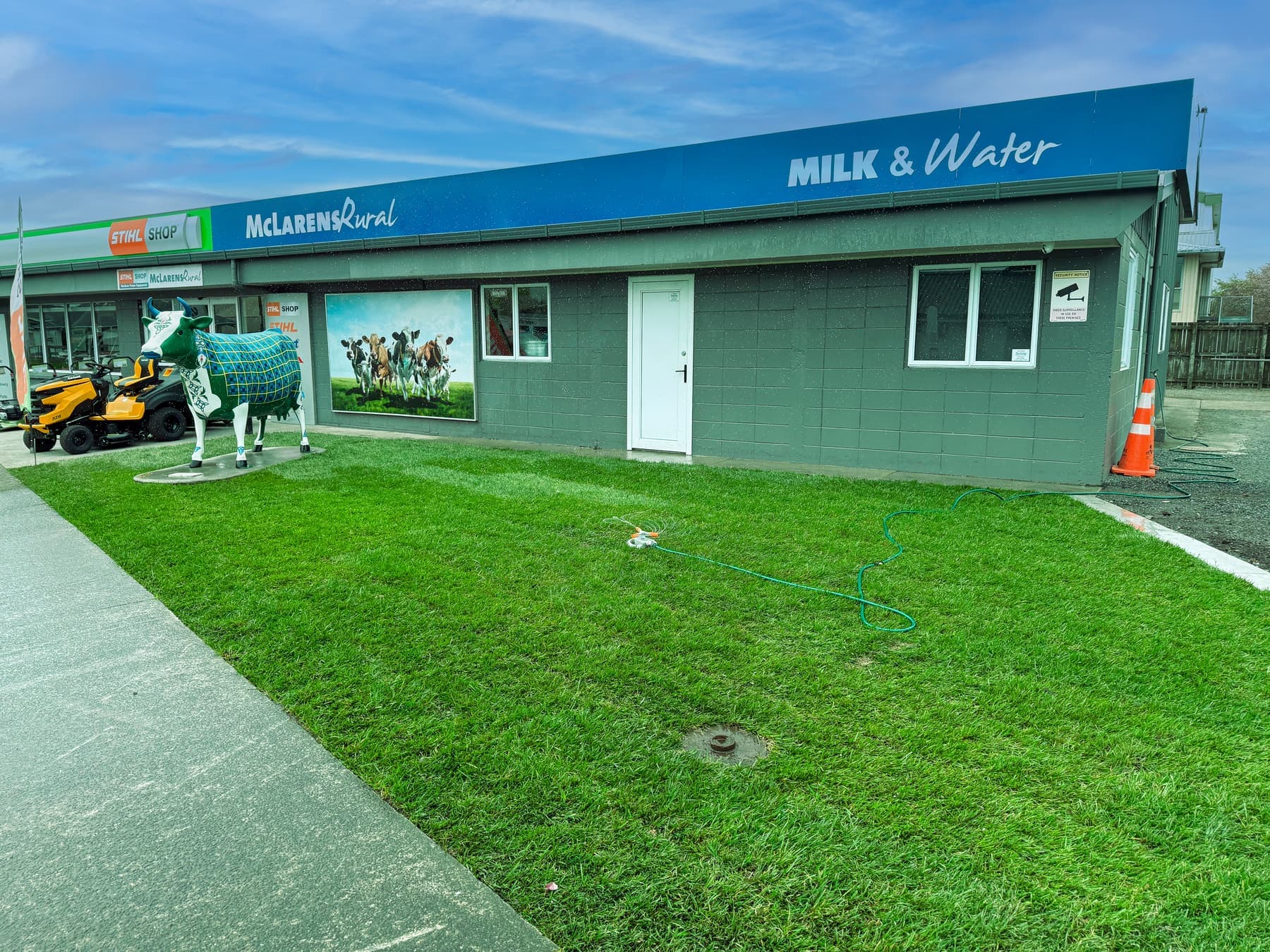
Lawns cover a large proportion of many commercial sites, so their condition strongly affects the overall impression. Consistent mowing height, defined edges and attention to bare patches can make a modest lawn look purposeful. Scalping turf too short may reduce its resilience during dry weather and expose more weeds, while leaving it too long can make the whole property feel neglected.
Hard surfaces deserve the same care. Weed growth along kerbs and footpaths, leaf build-up in gutters, stained entrance paving and untidy garden edges undermine otherwise good work. These details are often what visitors remember because they sit directly in their line of sight.
Plan for seasons, weather and site use
Waikato conditions can change quickly. Spring brings vigorous growth, summer can test newly planted areas, and winter rain exposes poor drainage and compaction. A commercial presentation plan should anticipate these cycles rather than treat every month alike.
Spring is the time to lift mowing frequency, manage weeds before they seed and assess new growth on hedges and trees. In summer, irrigation checks, mulching and sensible mowing heights help protect plant health. Autumn is useful for selective pruning, leaf management and preparing planting areas. Winter is an opportunity to inspect drainage, undertake structural pruning where appropriate and address access issues before the busy growing season returns.
Site use matters just as much as the calendar. A medical practice with daily visitors needs immaculate paths and entrance planting at all times. A warehouse may need reliable clearances around loading areas and larger-scale mowing, with less emphasis on ornamental detail. For multi-tenant properties, a consistent maintenance standard supports leasing appeal and avoids one neglected area affecting the whole complex.
Measure presentation by practical outcomes
A successful commercial landscape should be easy to recognise. Visitors can find the entrance without hesitation. Lawns and gardens look intentionally maintained. Trees, hedges and paths do not create avoidable hazards. Staff are not spending time chasing contractors or reporting the same issue repeatedly.
Review your site every few months from the road, car park and main pedestrian routes. Ask whether the highest-visibility areas still reflect your business, whether maintenance effort is being spent in the right places and whether any design feature is creating unnecessary work. Small adjustments to mowing frequency, pruning timing or planting can improve the result without requiring a complete redevelopment.
Good commercial grounds are not an extra task to fit around operations. They are a visible part of how your property performs. With a considered plan and dependable ongoing care, the site can keep making the right impression long after the first visit.