A lifestyle block should feel generous, not demanding. Yet without a clear plan, a few hectares can quickly become a collection of unfinished jobs: lawns that take too long to mow, exposed gardens that struggle through wind, muddy gateways, overgrown shelter belts and planting that needs more attention than a busy household can give. Landscaping for lifestyle blocks is about bringing order to that scale while preserving the open, rural character that made the property appealing in the first place.
For Waikato property owners, the best result is rarely the most elaborate one. It is a landscape designed around how the property is genuinely used, built with durable materials and planting, and supported by a realistic maintenance programme. That means looking beyond the house garden to consider access, drainage, paddocks, views, privacy, mowing areas, orchards and the seasonal work needed to keep everything looking cared for.
Start with how your lifestyle block works
Before choosing plants, paving or feature trees, establish the working pattern of the property. Where do vehicles turn, visitors park and stock or contractors need access? Which areas are used daily, and which only need to look tidy from a distance? Where does water collect after sustained rain, and where does summer exposure dry the ground fastest?
A lifestyle block landscape needs clear zones. The area closest to the home usually deserves the most detail: inviting entry planting, usable outdoor living spaces, tidy lawns and gardens that can be enjoyed from the house. Beyond this, the design can become simpler and more functional, with paddock boundaries, shelter planting, orchards, utility areas and lower-maintenance grounds.
This hierarchy protects your investment. There is little value in installing high-maintenance garden beds along every boundary if the property is better served by hardy shelter belts, mulched planting and clean mowing lines. A well-considered design directs effort where it makes the biggest difference.
Plan access before planting
Access is one of the least glamorous parts of rural landscaping, but it affects nearly every future job. A practical driveway layout, stable parking area and sensible routes for mowers, trailers, utes and maintenance equipment prevent unnecessary damage to lawns and garden edges.
Think about service access as well as everyday use. Trees will eventually need pruning, hedges need trimming, and large lawns need efficient mowing. Gates, paths and planted borders should allow this work to be completed safely and without compromising the finish of the property. It is much easier to allow for access during construction than to alter established gardens later.
Build the structure first
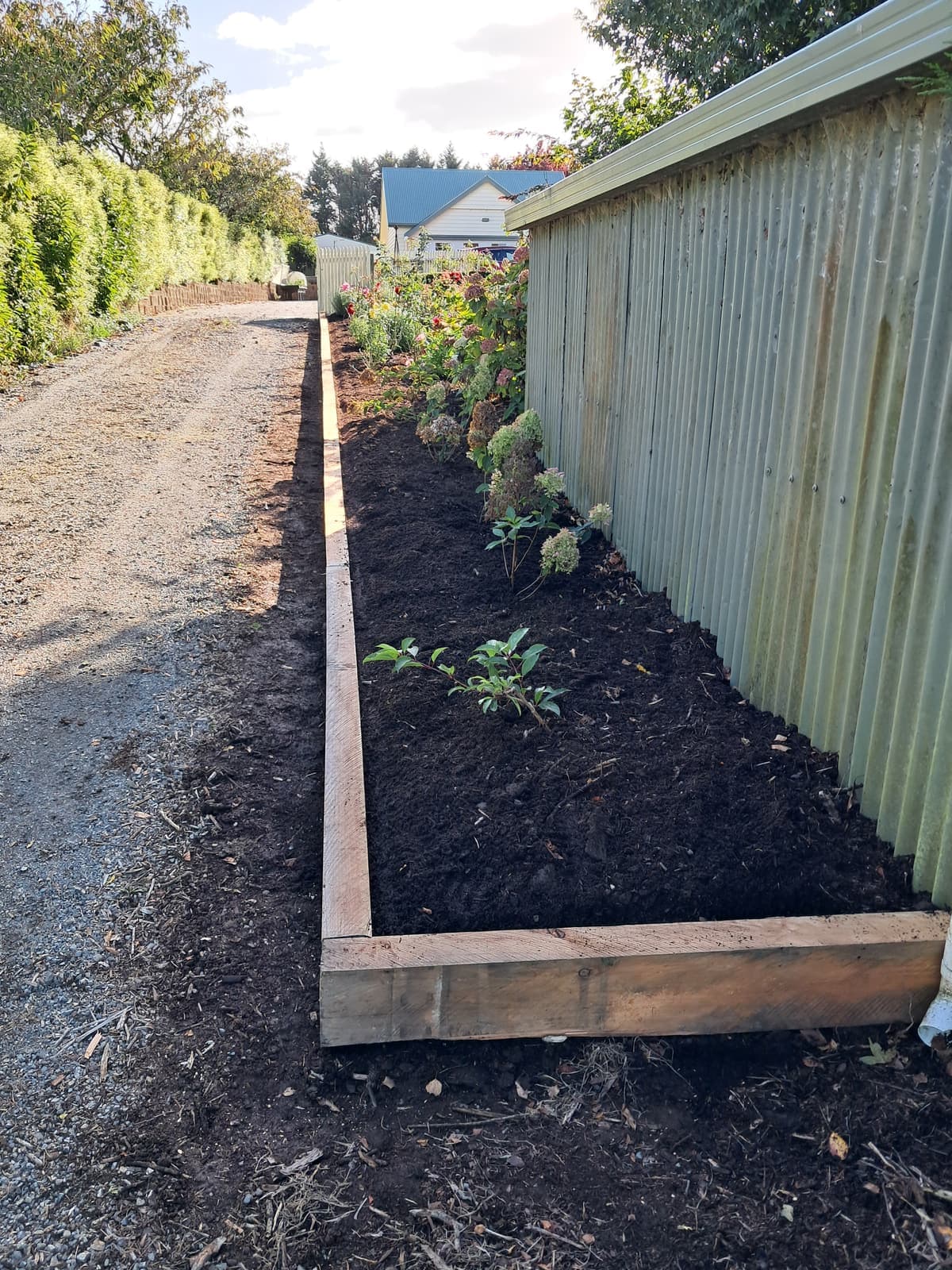
The strongest lifestyle block gardens are built around permanent structure rather than short-lived colour. Retaining, paths, edging, driveways, drainage, fencing and well-positioned trees give the property shape in every season. Once these foundations are right, planting can soften the landscape and provide year-round interest.
On Waikato sites, drainage deserves early attention. Heavy rain, compacted soils and changes in contour can leave lawns wet, tracks boggy and plant roots under stress. Surface falls, swales, drainage channels and appropriate hardscape materials should be considered as part of the overall landscape plan, not treated as an afterthought.
Hard surfaces need to suit their role. A formal entertaining area near the home may justify a refined finish, while a service path to a shed or wash-down area needs grip, durability and easy maintenance. The right material depends on traffic, site conditions and the desired appearance. Quality construction is not only about appearance on completion day; it is about how the area performs after years of weather, use and seasonal movement.
Make lawns manageable, not excessive
Large expanses of lawn can look impressive, but they are also a significant ongoing commitment. The question is not simply how much lawn a property can accommodate. It is how much lawn can be maintained to the standard you expect.
Keep regularly mown lawns close to the house, entrance and key sightlines. Use broad curves and clean edges that mowing equipment can follow efficiently. Avoid narrow grass strips, isolated islands and tight corners that create time-consuming hand work. More distant areas may be better suited to meadow-style planting, orchard groundcover, grazing, mulch or a less intensive mowing schedule.
This is not a compromise in quality. It is a more deliberate form of property care. A lawn that can be consistently maintained will always look better than an oversized one that is regularly left behind.
Choose planting for exposure, scale and care
Plant selection on a lifestyle block has to account for more than appearance. Soil type, frost, prevailing wind, summer moisture, browsing pressure and the mature size of plants all matter. A plant that looks right in a sheltered suburban garden may fail, or become costly to manage, in a more exposed rural setting.
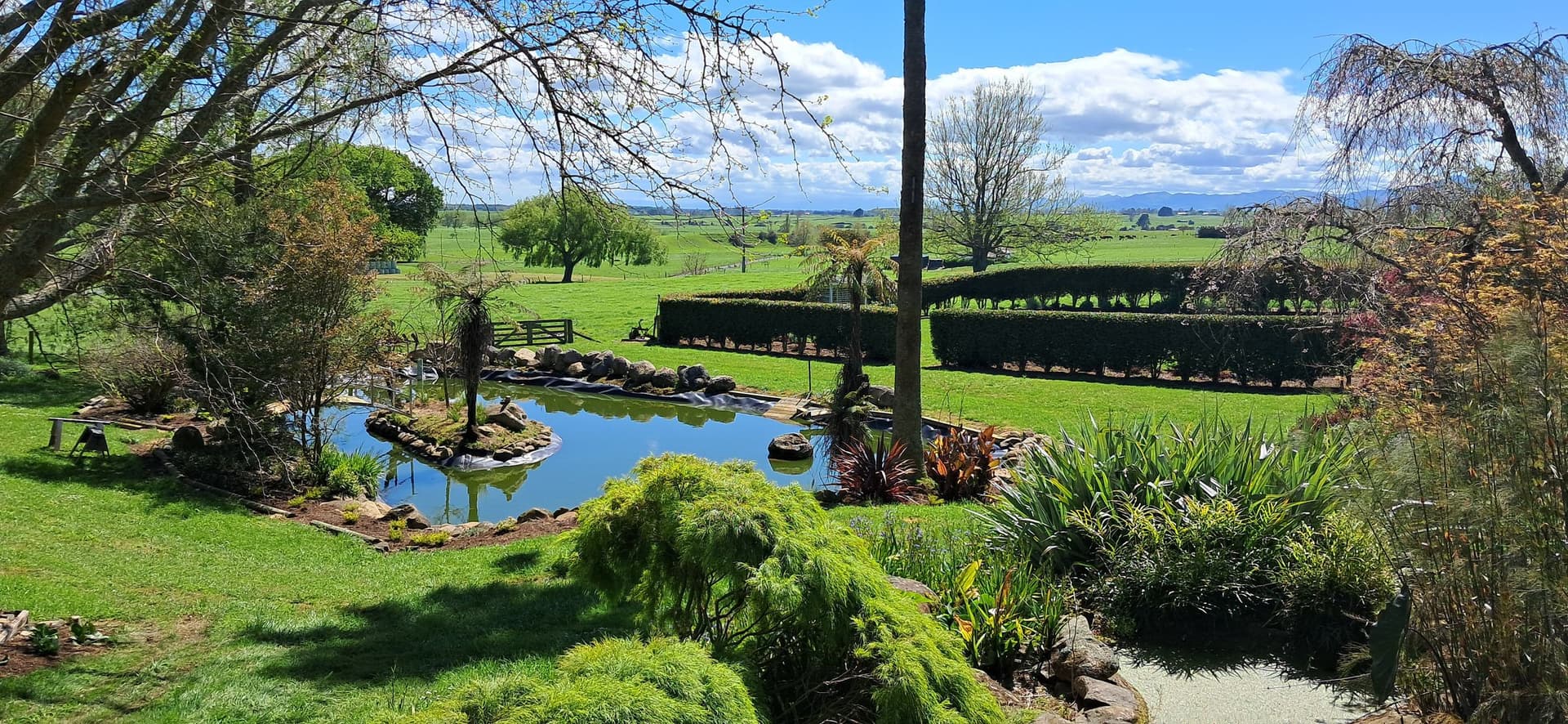
Shelter planting is often one of the most valuable long-term decisions. Well-placed hedging, trees and layered planting can protect outdoor living areas, reduce wind across productive gardens and create privacy without closing off the property. The best approach depends on the view you want to retain, the space available and whether the planting needs to act as a formal boundary, a wind filter or visual screening.
Avoid planting too densely simply to achieve an instant result. Plants need room to establish, and overcrowding can lead to poor airflow, competition for moisture and repeated pruning. Staged planting can be a sensible option for large sites, allowing priority areas to be completed first while maintaining a consistent design direction across the whole property.
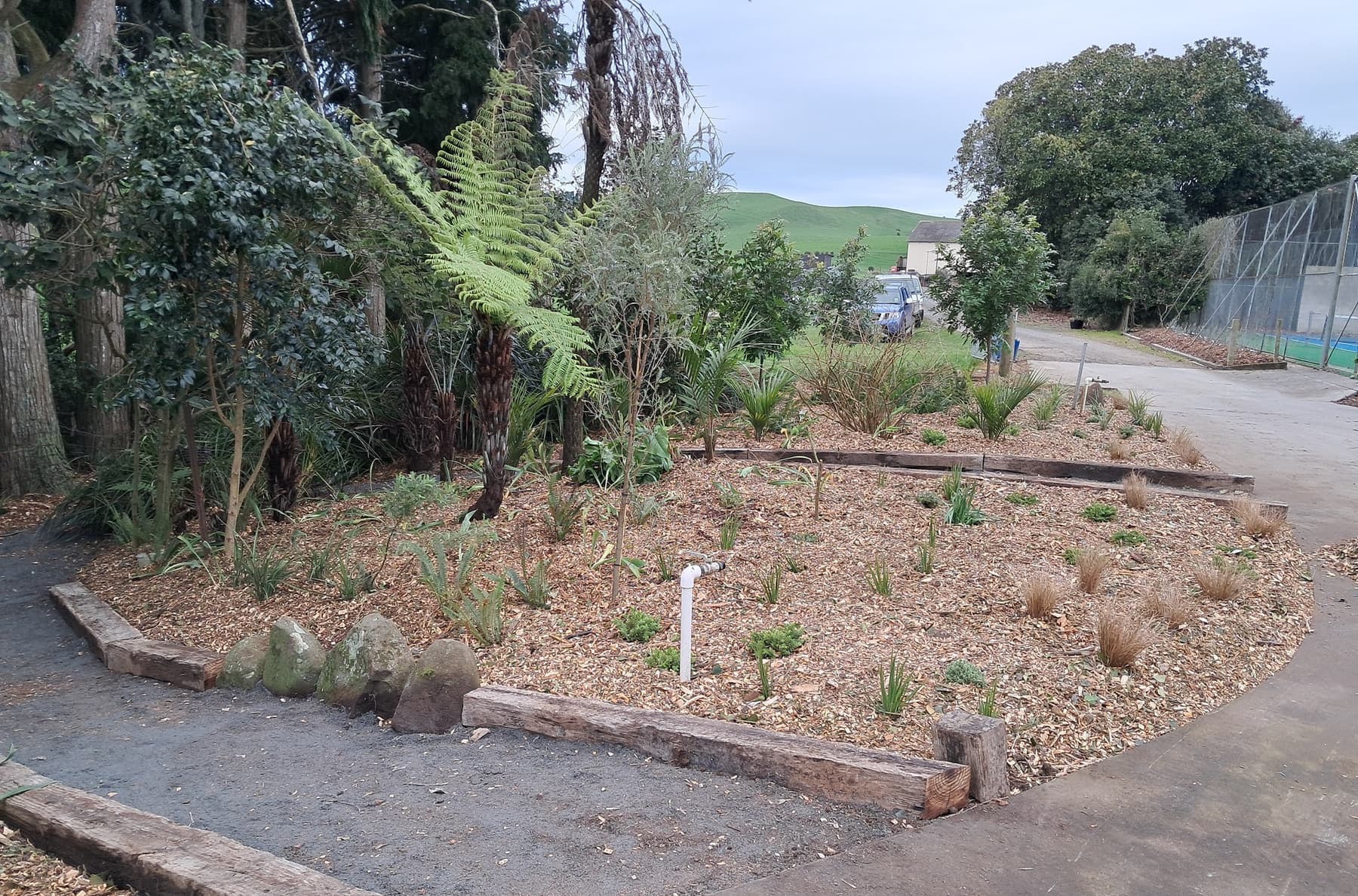
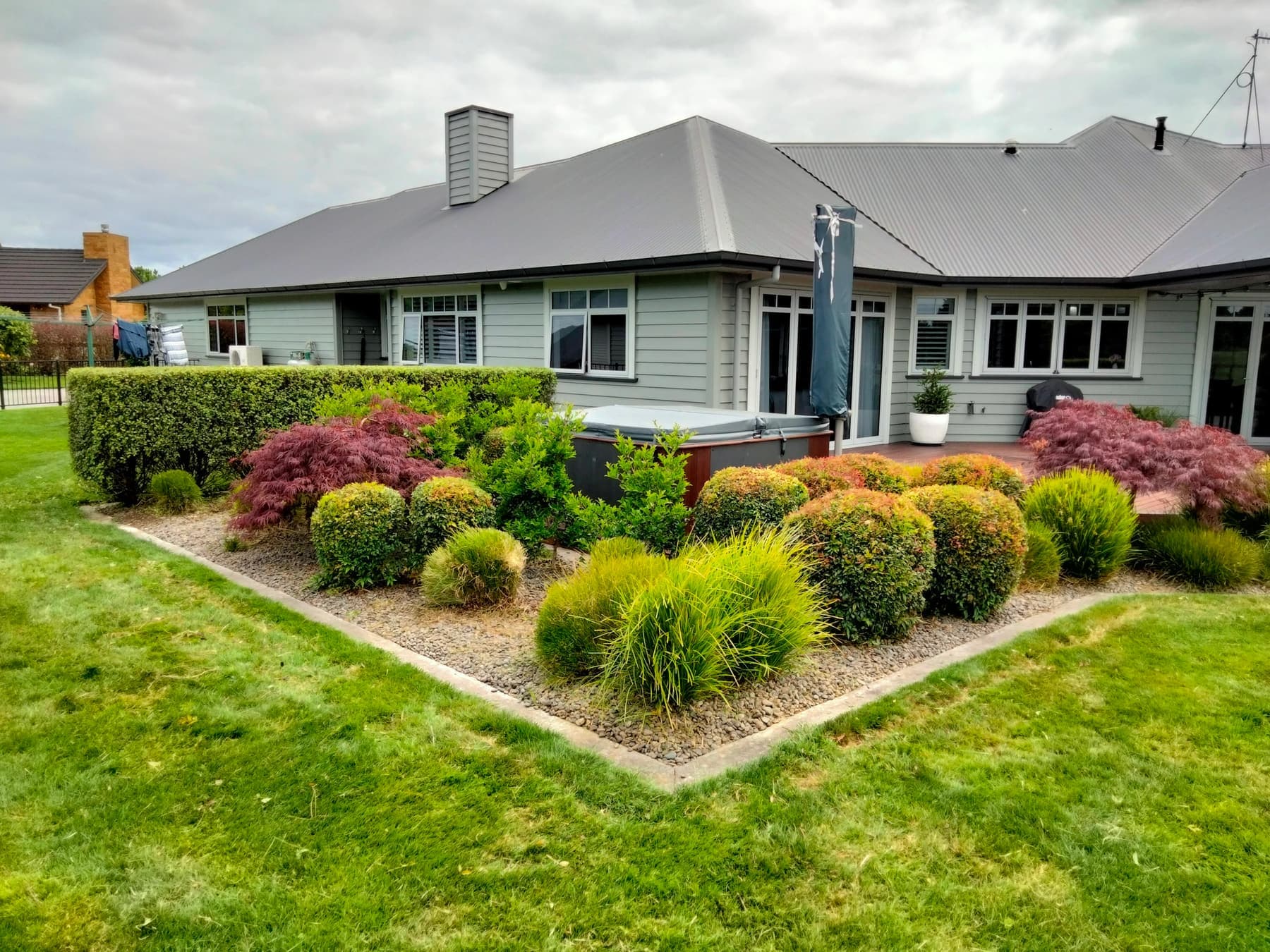
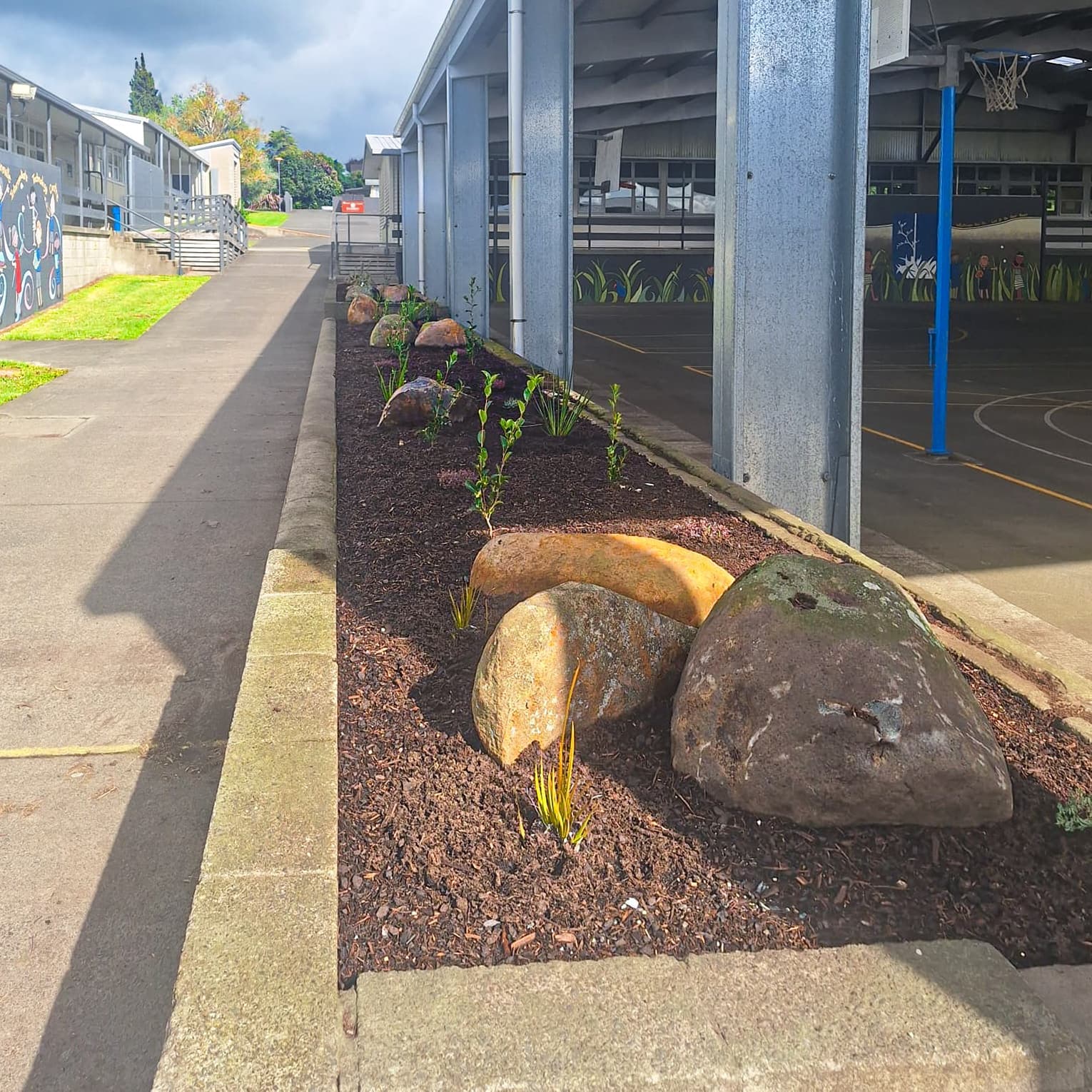
For garden beds, favour a balanced palette of trees, shrubs, perennials and groundcovers that provide structure across the year. Mulch is particularly valuable on larger properties, helping retain moisture, suppress weeds and give beds a finished appearance. It also reduces the ongoing burden of hand weeding, provided the beds are properly prepared and maintained.
Give productive areas the right place
Orchards, vegetable gardens and fruit trees can be a rewarding part of lifestyle living, but they need more than a spare corner. Productive areas require sun, water access, good drainage, protection from wind and enough room for pruning, harvesting and equipment.
Fruit trees should be selected and spaced with their eventual size in mind. Proper formative pruning in the early years establishes a strong framework, improves access and supports future fruit production. Leaving trees unpruned until they are oversized creates a bigger, more expensive correction later.
It also pays to separate productive spaces from ornamental gardens where possible. A vegetable garden has different soil, watering and maintenance needs from a front entrance garden. Giving each area a defined purpose makes day-to-day care easier and keeps the overall property looking orderly, even during busy growing seasons.
Design maintenance into the landscape
A landscape is only as successful as its ability to be maintained. This does not mean every property needs to be low maintenance. It means the level of care should match the owner’s time, capability and expectations.
Some clients enjoy tending gardens and pruning fruit trees themselves but prefer professional help with large-scale mowing, hedge trimming or tree work. Others want a complete scheduled programme that keeps lawns, gardens, hedges and seasonal tasks under control throughout the year. Both approaches work when the landscape has been designed honestly around the available level of care.
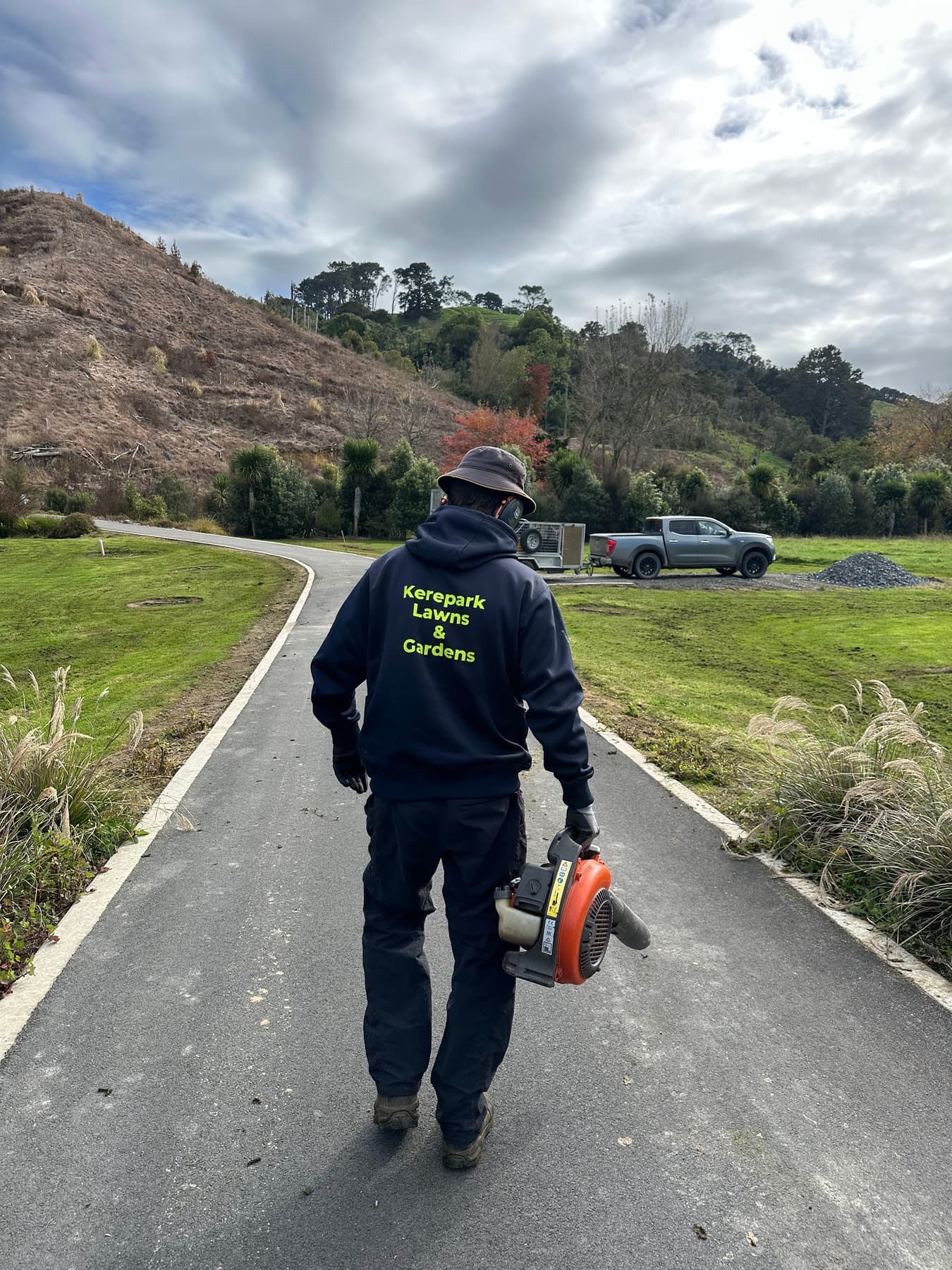
Regular maintenance also protects the value of construction and planting work. Timely mowing, feeding, mulching, pruning and weed control support plant health before small issues become major corrections. For larger grounds, a coordinated team can maintain a consistent standard across areas that are often treated separately: gardens, lawns, orchard trees, shelter hedges and entrance spaces.
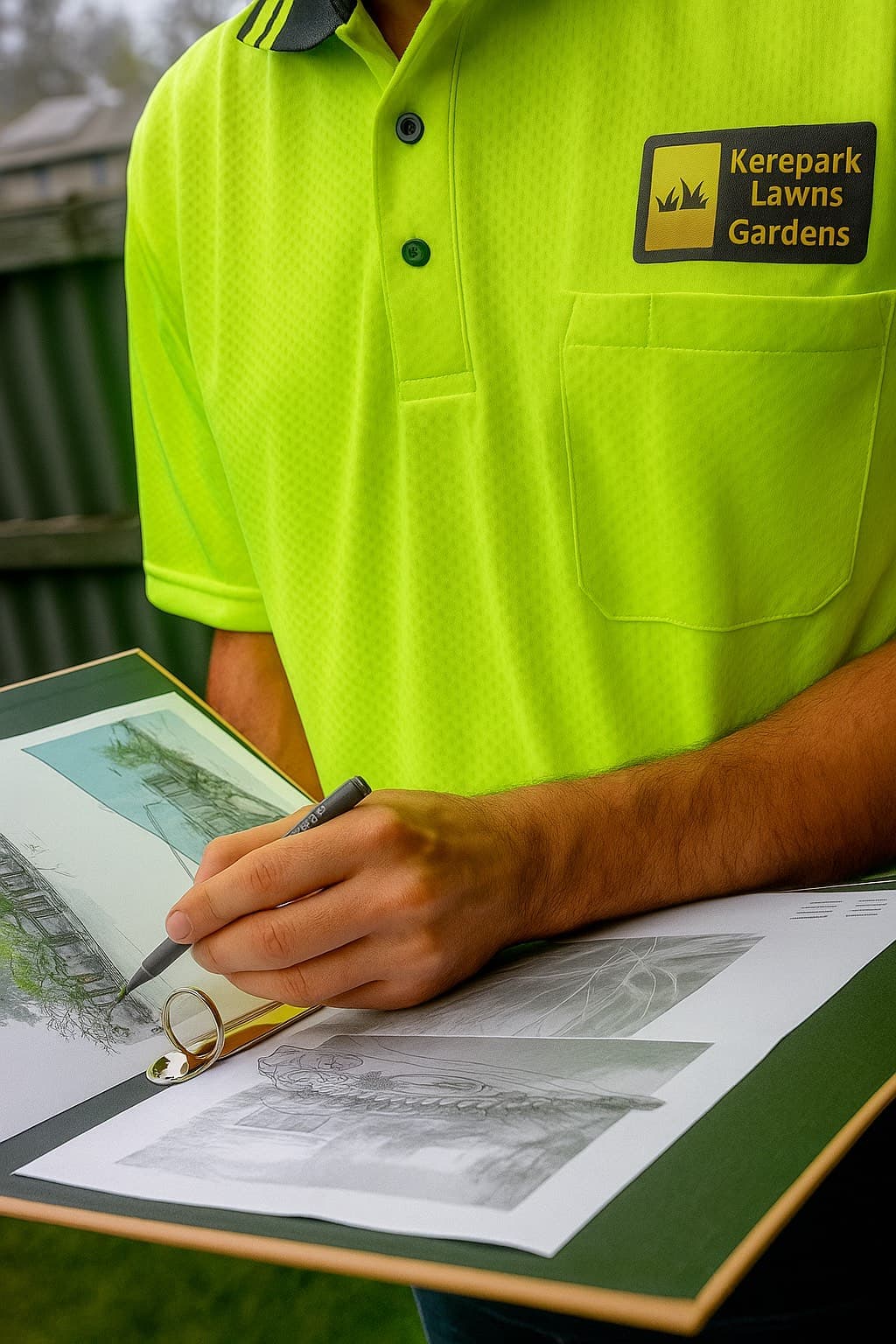
Kerepark Lawns & Gardens approaches this as a complete property lifecycle, from tailored design and construction through to the practical care that keeps a landscape improving over time.
Know where to invest
Not every part of a lifestyle block needs the same level of finish. Concentrate premium materials and detailed craftsmanship where people arrive, gather and spend time: the entry, house surrounds, outdoor entertaining areas and primary garden views. Use simpler, durable solutions in service zones and wider grounds.
The same principle applies to planting. Feature trees, carefully composed borders and quality specimen plants can create strong focal points near the home. Further out, mass planting and resilient species often give better visual impact for the investment. This layered approach keeps the property cohesive without turning every square metre into a high-maintenance garden.
A well-planned lifestyle block should make rural living easier to enjoy, not add another full-time responsibility. Begin with the practical questions, make room for future maintenance, and build each area to suit the way your household uses the land. With sound planning and consistent care, the property can remain welcoming, functional and distinctly yours through every season.