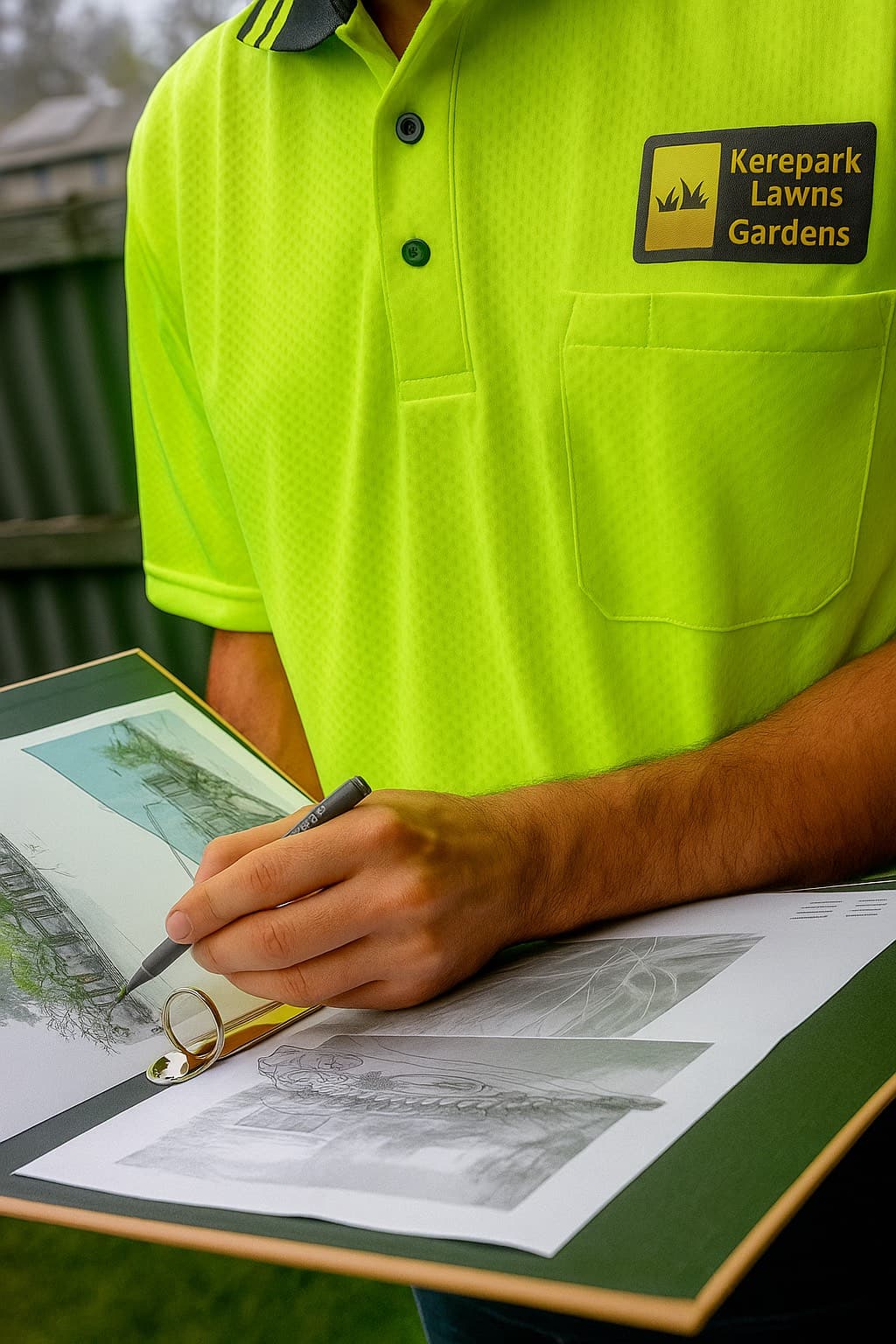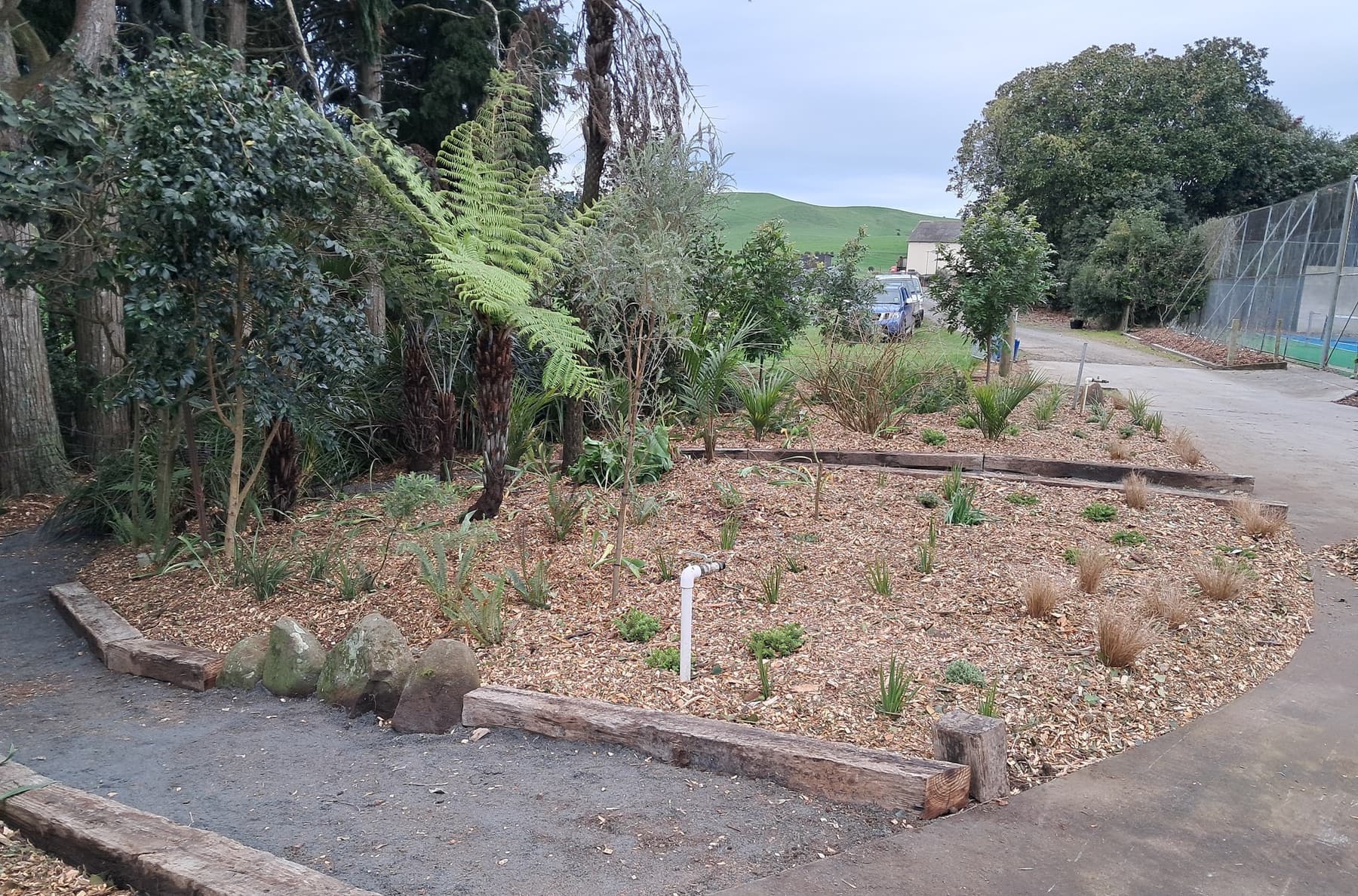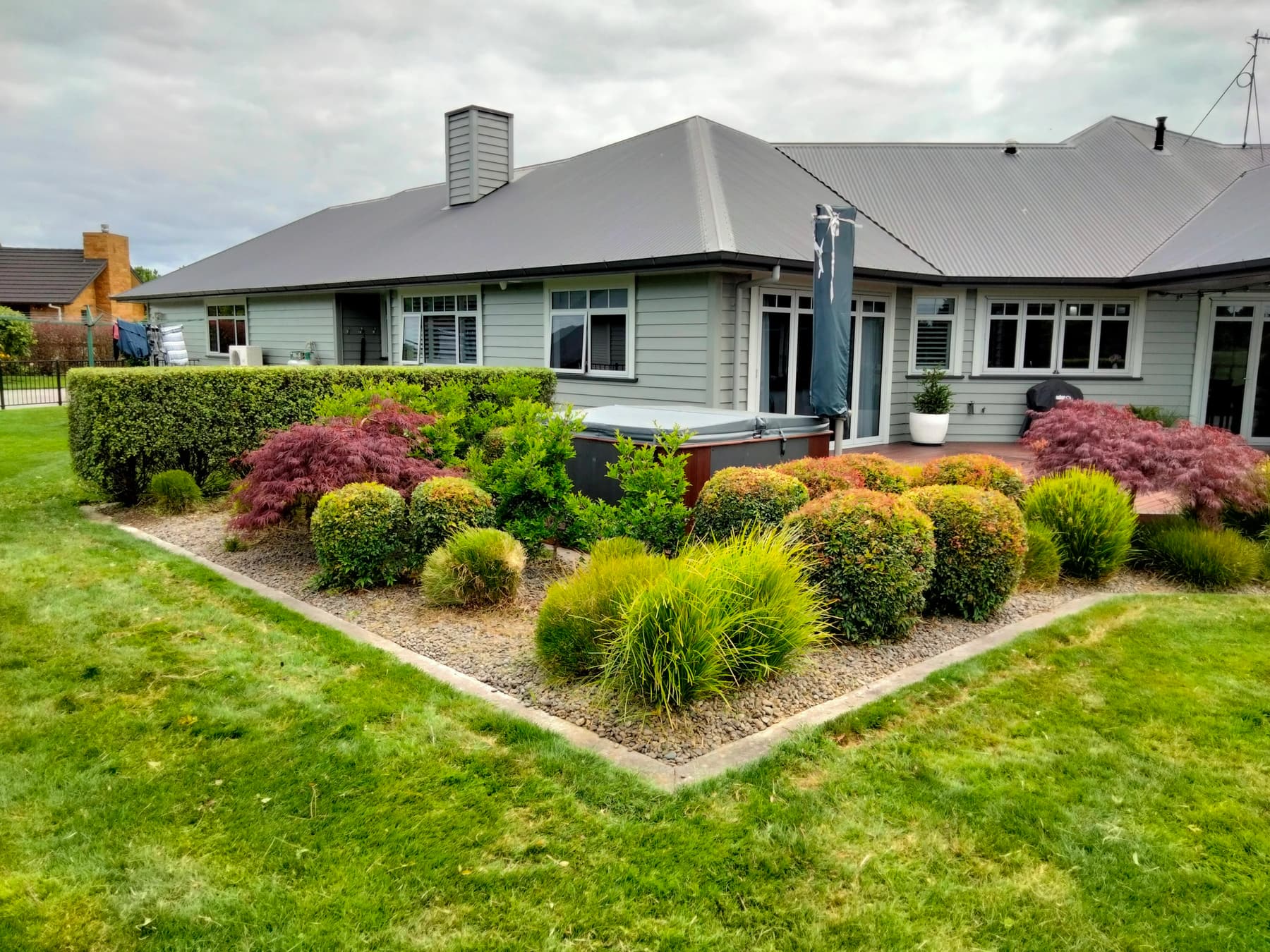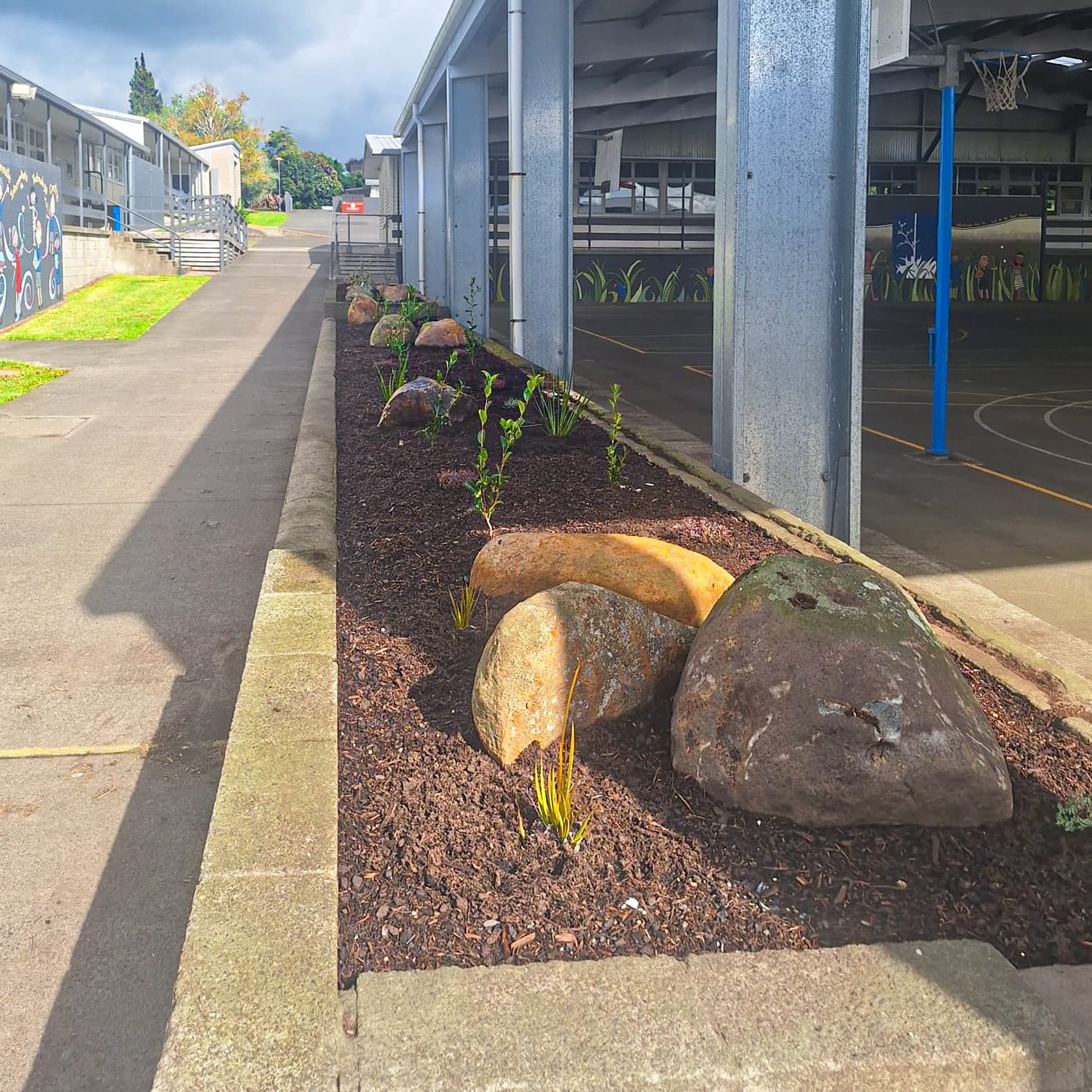
A Waikato garden has to do more than look impressive on the day it is planted. It needs to handle wet winters, dry spells, heavy soils, active family life and the ongoing demands of a rural, lifestyle or commercial property. Well-considered landscape design Waikato property owners can rely on begins with those realities, then creates an outdoor space that becomes more established, useful and enjoyable with every season.
A beautiful result is never just a matter of choosing appealing plants or laying fresh lawn. It comes from understanding the site, making sound construction decisions and planning for the level of care the property will receive after the work is complete. That is what protects your investment and keeps the garden looking considered rather than overgrown or unfinished.
Landscape Design Waikato Properties Need to Work Hard
The Waikato has a generous growing climate, but it also presents conditions that deserve respect. Rainfall can expose poor drainage quickly. Clay soils may hold water through winter, then set hard in drier weather. Open lifestyle blocks can be affected by wind, while established residential sections often have mature trees, shade and limited access to work around.
A successful design responds to these conditions from the outset. This may mean shaping the land so water moves away from buildings and high-use areas, improving soil before planting, selecting species suited to the aspect, or creating shelter without closing off a valued view. On a rural property, it may also mean allowing for vehicle access, boundary planting, orchard care, pets and the practical movement of people and equipment.
The best answer depends on the property. A formal garden around a heritage home needs a different approach from a low-maintenance courtyard in town, or a commercial frontage that must look tidy every week of the year. The common requirement is a plan that suits the site and the people responsible for it.
Begin With How You Want to Use the Space
Good landscape design starts with a clear brief. Before selecting plants, consider how the outdoor areas need to serve your household, visitors, customers or staff. A family may need an open lawn, safe paths and a durable entertaining area. Retired homeowners may prefer accessible garden beds and planting that offers strong visual interest without intensive upkeep. A commercial manager may need clear entries, neat hedges and grounds that present the business well with minimal disruption.
For lifestyle and rural properties, the brief is often broader. There may be an existing orchard to restore, expansive lawns to manage, mature trees requiring careful attention, or a desire to create structure around a new home. These properties benefit from dividing the grounds into manageable zones: arrival areas, productive gardens, entertaining spaces, shelter planting and lower-maintenance outer areas.
This early thinking avoids a common disappointment: a garden that photographs well but does not fit daily life. A narrow path is frustrating around bins or garden equipment. An exposed patio will sit empty. A large planted border can become a burden if no one has time to weed, prune and feed it properly. Design should make the property easier to enjoy, not harder to manage.
Put Structure Before Planting
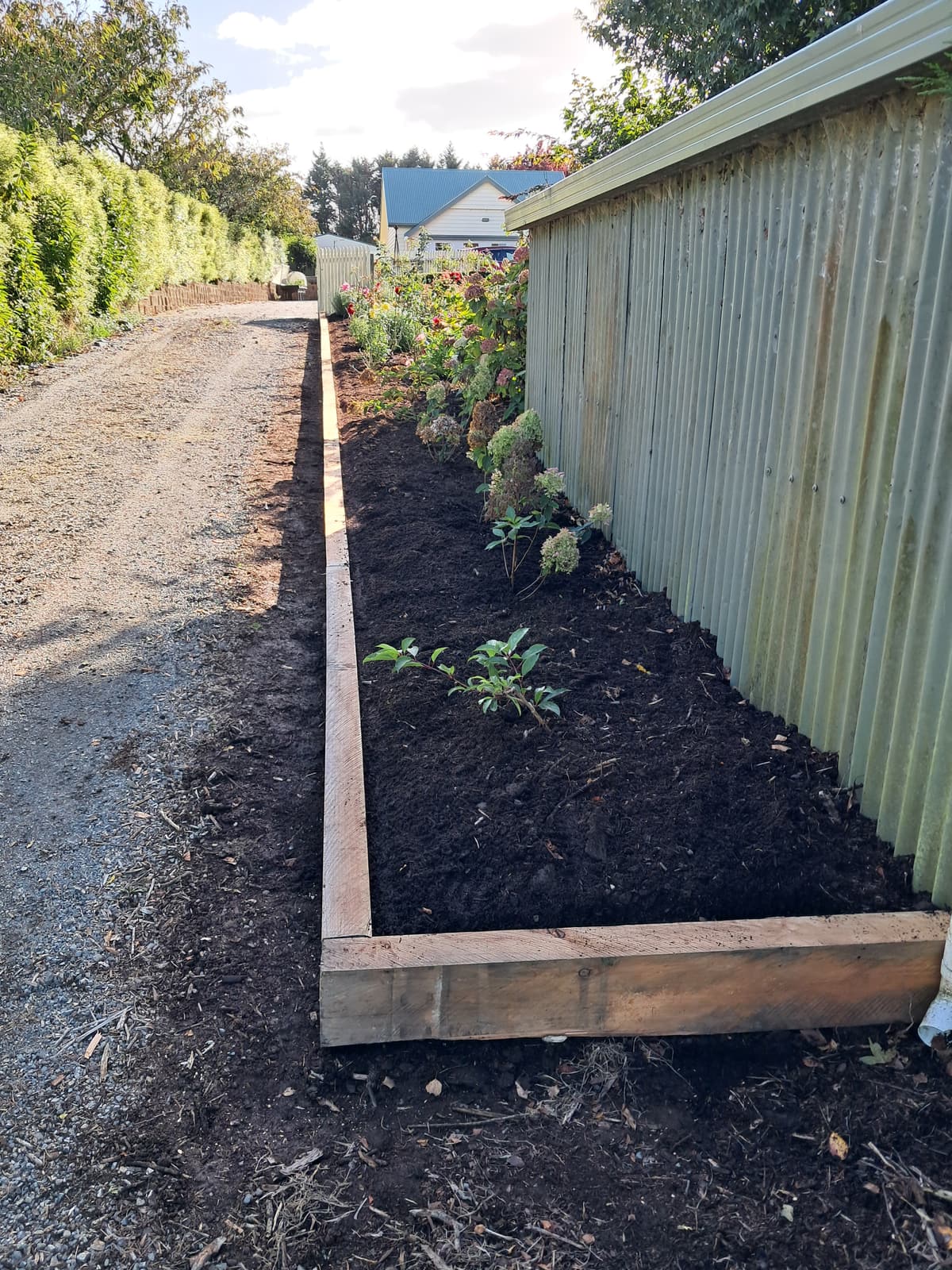
Plants bring softness, colour and seasonal change, but the structure beneath them determines whether a landscape feels coherent and lasts. Paths, edging, retaining, steps, drainage, lawns and outdoor living areas should be considered together rather than added in stages without a wider plan.
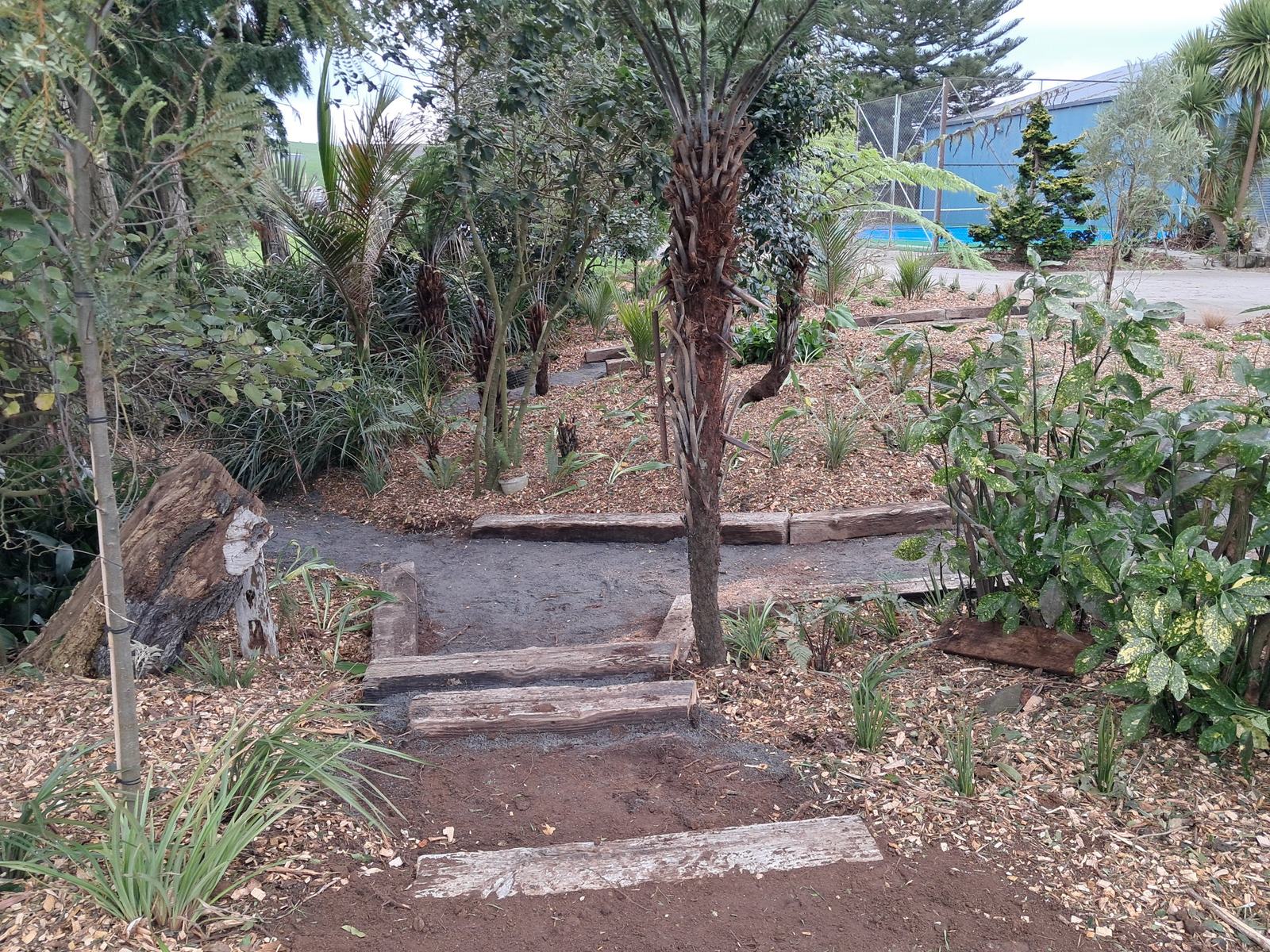
This is particularly important where levels change. Retaining and steps need to be safe, well built and appropriately drained. Poorly managed water behind a retaining wall can cause movement and damage, while badly placed steps can interrupt access across the property. The right construction solution may cost more initially, but it reduces the likelihood of repairs and makes the finished space more comfortable to use.
Material choices should also suit the home and the workload ahead. Timber can bring warmth, while stone, concrete and pavers offer different levels of durability, texture and maintenance. There is no single premium material for every job. The right option is the one that complements the property, performs in its setting and can be maintained to the standard you expect.
Choose Planting for Resilience, Not Just First Impressions
A planting plan should create interest across the year while allowing each plant enough space and light to mature. Overcrowded gardens may look full on installation day, but they soon compete for nutrients, restrict airflow and require constant cutting back. Thoughtful spacing produces healthier plants and a cleaner, more lasting result.
In Waikato conditions, plant selection should account for soil moisture, frost pockets, summer sun, wind exposure and shade. Evergreen structure can anchor the garden through winter, while flowering shrubs, perennials, grasses and trees add changing colour and form. Productive planting can be included where it has a genuine place in the routine of the household, whether that is a few herbs near the kitchen or an established fruit-tree area requiring seasonal pruning.
Native and exotic plants can both have a role. Natives are often valued for their resilience, habitat benefits and connection to the local environment. Exotics can offer formal character, seasonal flowers or a particular look that suits the home. The important consideration is not following a trend. It is choosing plants that will thrive in the conditions and support the overall design.
Design With Maintenance in Mind
Every garden needs care. The difference is whether that care has been anticipated. A well-designed landscape makes mowing, hedge trimming, pruning, feeding and seasonal tidy-ups more straightforward. It also helps prevent small issues from becoming costly corrections.
For example, lawn areas should have sensible edges and access for mowing equipment. Hedges need enough room to be trimmed without damaging nearby plantings or structures. Trees should be positioned with their eventual canopy, root growth and leaf drop in mind. Beds benefit from mulching and a clear planting layout that makes weeds easier to identify and remove.
This is where an integrated approach has real value. When the same team can contribute to design, build the work and provide ongoing garden maintenance, practical decisions carry through every stage. The result is not a handover to an unfamiliar contractor, but an outdoor environment cared for by people who understand how it was intended to develop.
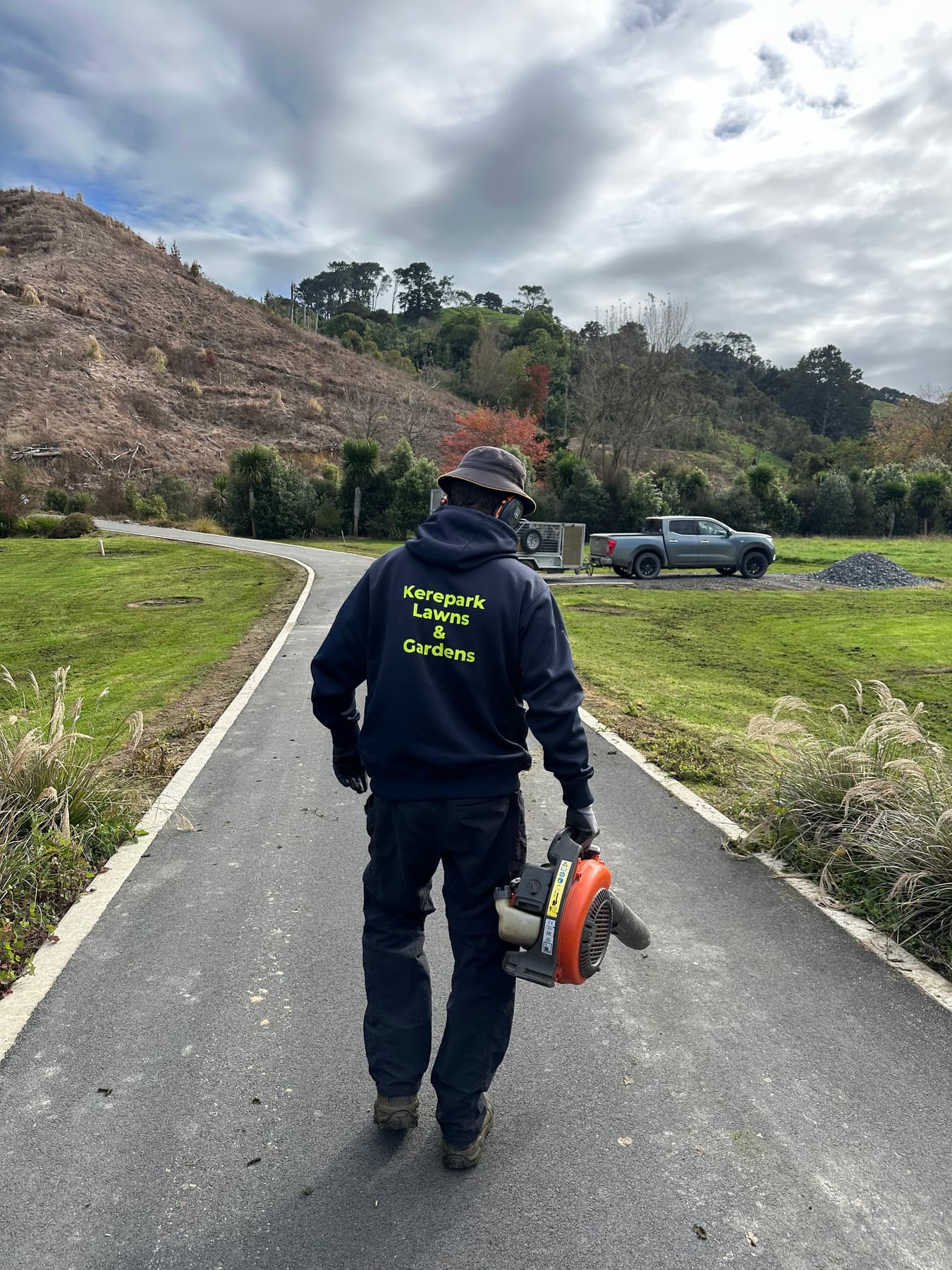
For busy homeowners and commercial sites, scheduled maintenance also protects presentation. Regular mowing, garden care, hedge work and tree attention keep the grounds orderly and healthy, rather than allowing work to accumulate until a major clean-up is required. Frequency can be tailored to the property, season and expected standard of finish.
Build in Stages Without Losing the Plan
Not every landscape needs to be completed at once. Staging can be a sensible way to manage budgets, particularly on larger properties or new builds. The key is to have an overall design before starting the first stage.
A logical sequence often addresses essential groundwork first: drainage, access, retaining and major hardscaping. Lawns and primary planting can follow, then secondary garden areas, screens, orchard improvements or decorative details. This prevents expensive rework, such as lifting new paving to install drainage or removing young trees to create a path that should have been planned earlier.
A staged project should still feel complete along the way. Each finished area needs to function well and connect naturally to the next stage, rather than appearing like an isolated addition.
A Better Long-Term Standard for Your Grounds
Quality landscape design is not about filling every corner of a property. It is about creating the right balance of open space, planting, practical access and enduring materials. When those elements are planned well, the garden supports the way you live and presents your property at its best without demanding constant attention.
Kerepark Lawns & Gardens brings design, construction and ongoing care together for property owners across the Waikato. A site consultation is an opportunity to discuss how your grounds are used, what is not working and what a durable, well-managed outdoor space could become.
The most rewarding gardens are rarely the ones completed fastest. They are the ones given a sound plan, skilled workmanship and the consistent care to settle in well over time.