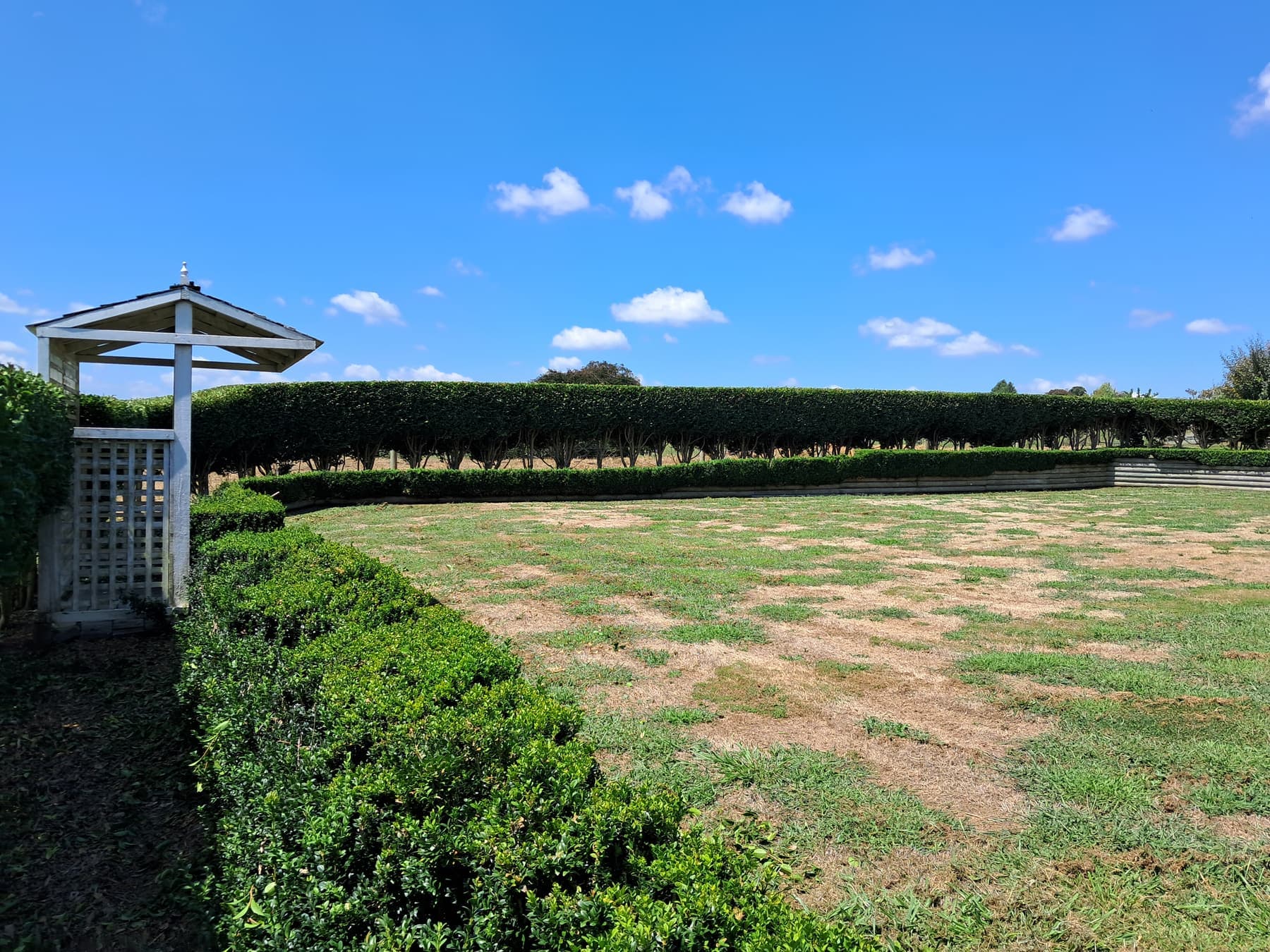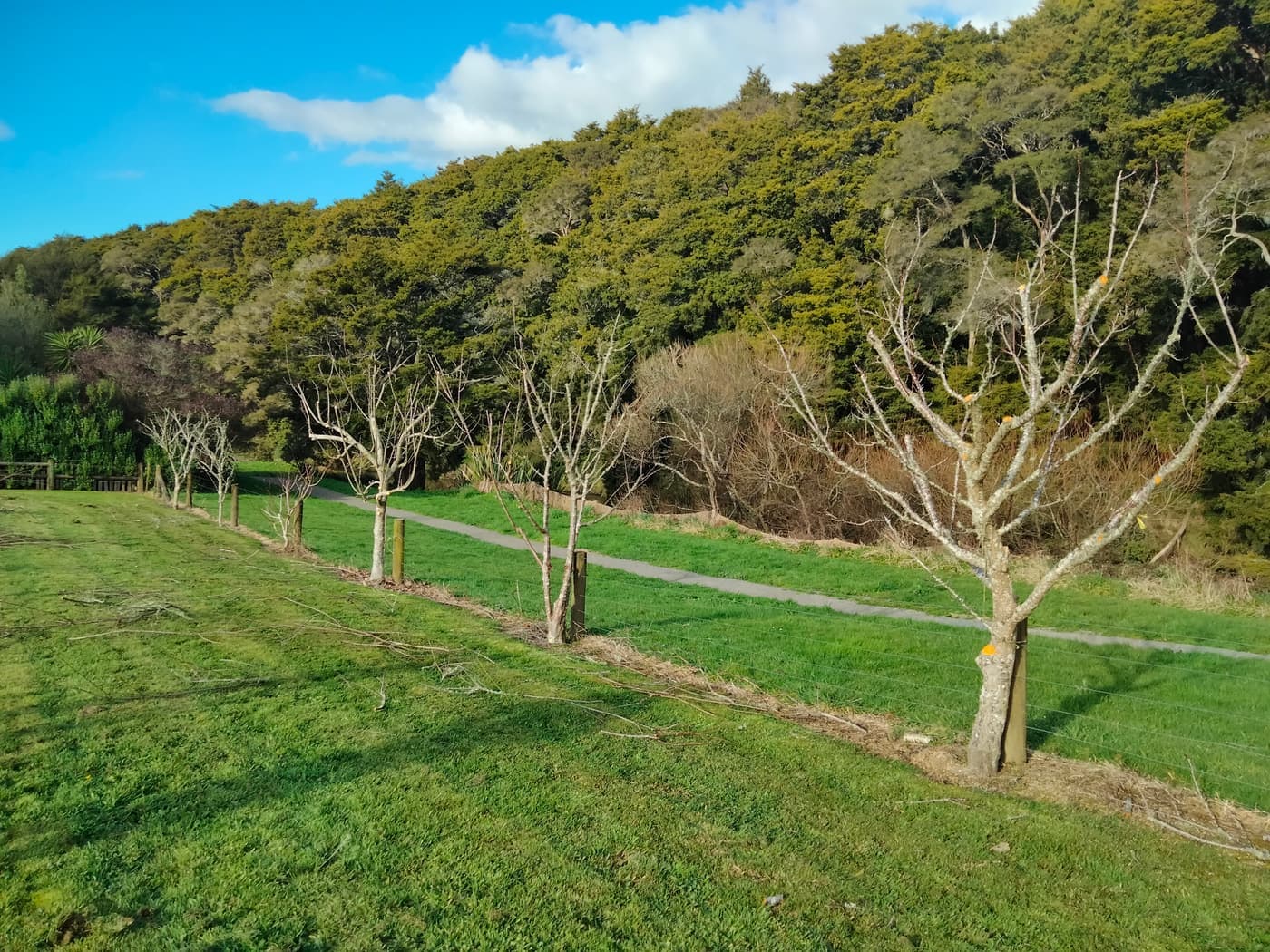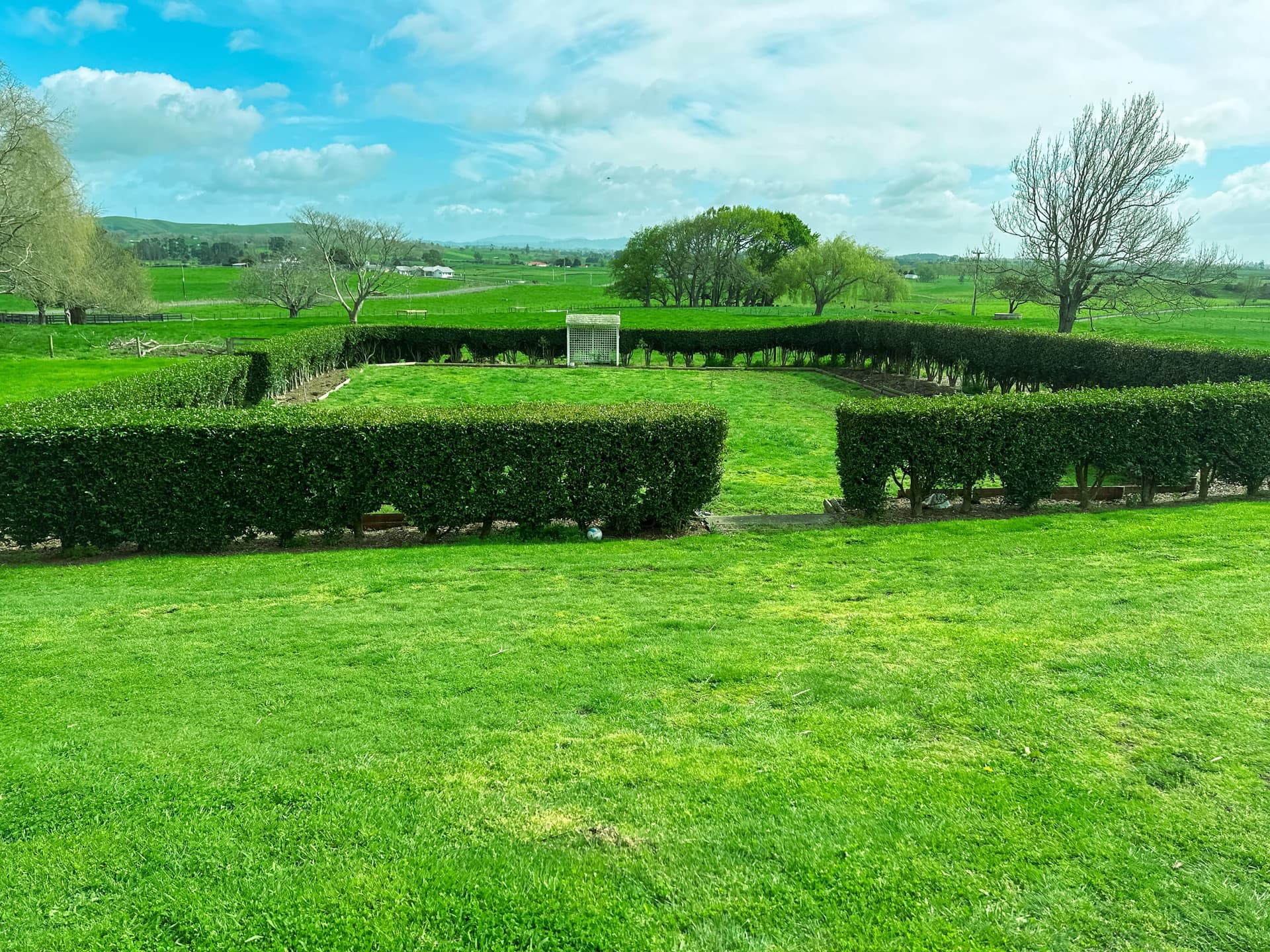
A hedge that has put on 300 mm of fresh growth since its last cut will quickly look untidy, even on an otherwise well-kept property. Cut it too hard or at the wrong time, however, and the result can be thin growth, brown patches and months of recovery. So, how often should hedges be trimmed? For most established hedges in the Waikato, two to four trims a year keeps them dense, healthy and well-shaped. The right schedule depends on the plant, its purpose and the standard you expect from the space.
For a formal boundary hedge at the front of a home, a lifestyle property entrance or a commercial site, regular light trimming is usually better than an occasional severe cut. It protects the hedge’s shape while keeping maintenance manageable.
How Often Should Hedges Be Trimmed in Waikato?
Most hedges need attention through the active growing months, generally from spring through early autumn. Warm temperatures and reliable rainfall can create strong growth in the Waikato, particularly after a fertiliser application or a run of wet weather. A hedge that is clipped only once a year can become woody and sparse at the base, making it harder to restore a clean, full appearance.
As a practical guide, formal, fast-growing hedges often require trimming every six to 10 weeks during the main growing season. This commonly works out to three or four cuts a year. Slower-growing or informal hedges may need only one or two carefully timed trims.
Rather than treating every hedge alike, look for the point where fresh shoots extend beyond the intended line of the hedge. A light trim at that stage maintains a neat finish without removing too much leafy material. Waiting until the hedge is visibly overgrown usually means a heavier job and a less refined result.
The Hedge Type Makes a Real Difference
The species determines how quickly a hedge grows, how well it responds to clipping and how far it can be cut back safely. This is why a single timetable does not suit every property.
Fast-growing formal hedges
Lilly pilly, griselinia, pittosporum and some varieties of escallonia are popular choices for screening and boundaries because they establish well and respond reliably to regular pruning. They can grow vigorously in favourable conditions. For a crisp, formal shape, plan on three or four trims annually, with the first often occurring after the main spring flush.
Lilly pilly in particular benefits from consistent, lighter cuts. Allowing it to grow unchecked before taking a large amount off can expose bare inner branches and reduce the dense green screen that makes it so useful.
Conifer hedges
Conifers such as leyland cypress are often used on rural and lifestyle properties for shelter, privacy and wind protection. They need disciplined maintenance. A well-managed conifer hedge is usually trimmed one to three times a year, depending on the desired height and form.
The key is to avoid cutting back into old brown wood, where many conifers will not regenerate. Once a conifer hedge is allowed to outgrow its available space, reducing its width can become difficult or impossible without compromising its appearance. Early, regular shaping is far more cost-effective than trying to correct an oversized hedge later.
Flowering and informal hedges
Camellia, viburnum, abelia and other flowering shrubs are often better suited to a more natural outline. They may only need one annual tidy-up, plus selective pruning to remove dead, crossing or poorly placed branches. The timing matters: trim spring-flowering shrubs after they finish flowering, otherwise you may remove the buds that would provide the next display.
An informal hedge should still look intentional. Selective pruning preserves its character while preventing it from spilling into paths, driveways, windows and neighbouring spaces.
Trim for the Result You Want
A hedge beside a rural driveway has a different job from one framing a formal courtyard or screening a commercial car park. Frequency should reflect the hedge’s role, not just the calendar.
A privacy hedge needs enough density to block sightlines, so it benefits from regular trimming that encourages branching close to the base. A shelterbelt may be managed less frequently, provided it remains structurally sound and clear of fences, buildings and accessways. Hedges beside a footpath, entrance or parking area need closer attention for visibility, safe access and a professional presentation.
For properties with extensive grounds, a planned maintenance programme is often the most reliable approach. Regular visits allow each area to be managed at the correct stage, rather than waiting until every hedge requires a major cut at once. It also means issues such as pest damage, disease, irrigation problems or declining growth can be identified before they affect the wider landscape.
The Best Times of Year to Trim
Spring and early summer are productive periods for hedge trimming, once new growth has started to harden slightly. A trim at this point encourages the hedge to branch and fill out. A follow-up cut in late summer or early autumn can restore a tidy outline before growth slows.
Avoid heavy trimming during frost-prone periods. Fresh cuts and tender new shoots can be more vulnerable to cold damage, particularly in exposed parts of the Waikato. It is also wise to avoid major pruning during very hot, dry conditions, when a hedge may already be under moisture stress.
Before cutting, check for active bird nests. Native birds and other wildlife often use dense hedges for shelter, especially through spring. Where nesting is present, postpone work in that area until it is safe to proceed.
Why Light, Regular Trimming Works Better
The goal is not simply to make a hedge smaller. Correct trimming directs growth where it is needed, maintains the plant’s health and produces a balanced, lasting shape.
A hedge should generally be slightly wider at the bottom than at the top. This small taper lets light reach the lower foliage, helping to prevent the bare, shaded base that is common in top-heavy hedges. The effect is subtle when done well, but it makes a significant difference over time.
Using sharp, well-maintained equipment is equally important. Clean cuts heal better and leave a more even finish. Large hedges, tall screens and hedges near buildings may require professional equipment and safe working methods, especially where ladders, power lines or difficult ground conditions are involved.
Heavy renovation pruning has its place, but it carries more risk. Some broadleaf hedges can be brought back gradually over one or two seasons. Others, particularly mature conifers, may not recover after hard cutting. A site inspection is the sensible first step when a hedge has become too tall, too wide or noticeably thin.
Signs Your Hedge Is Due for Attention
A hedge does not need to look wildly overgrown before it is ready for trimming. Fresh shoots sticking out beyond the face, a loss of definition along the top, branches crowding a walkway or leaves blocking windows are all useful signals.
You may also notice the hedge becoming dense on the outside but open underneath. This calls for a more considered approach than simply shearing the exterior. Selective thinning, gentle reshaping and ongoing light trims can help restore better light and airflow without stripping the hedge back all at once.
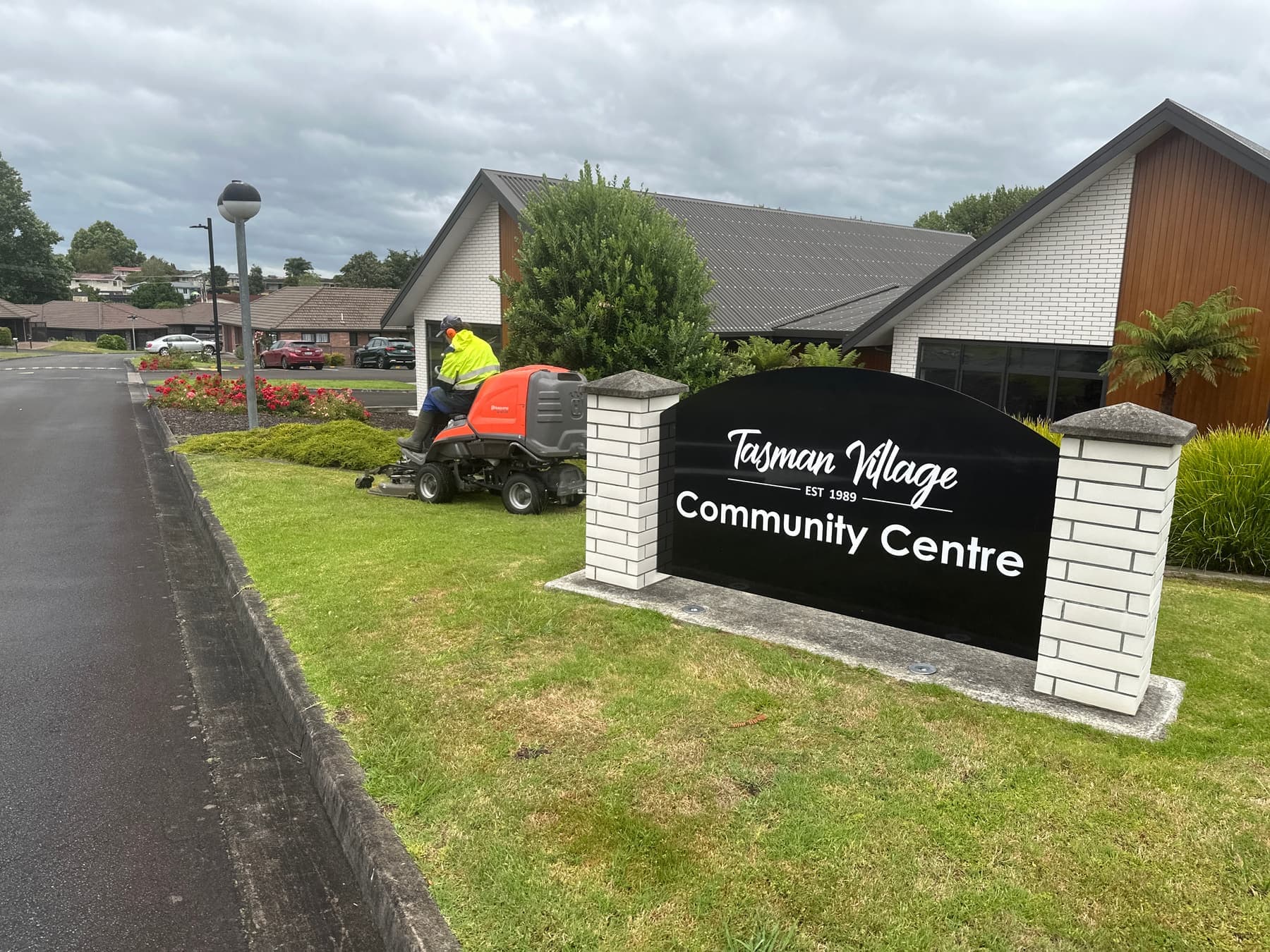
For large residential gardens, lifestyle blocks and commercial grounds, hedge care is most successful when it is coordinated with mowing, garden maintenance, tree work and seasonal planting care. Kerepark Lawns & Gardens can manage these tasks as part of a practical property-care plan, with work timed to suit the plants and the way your outdoor areas are used.
A well-trimmed hedge should not look freshly attacked. It should look settled, even and naturally suited to its surroundings – a quiet sign that the property is being cared for properly.