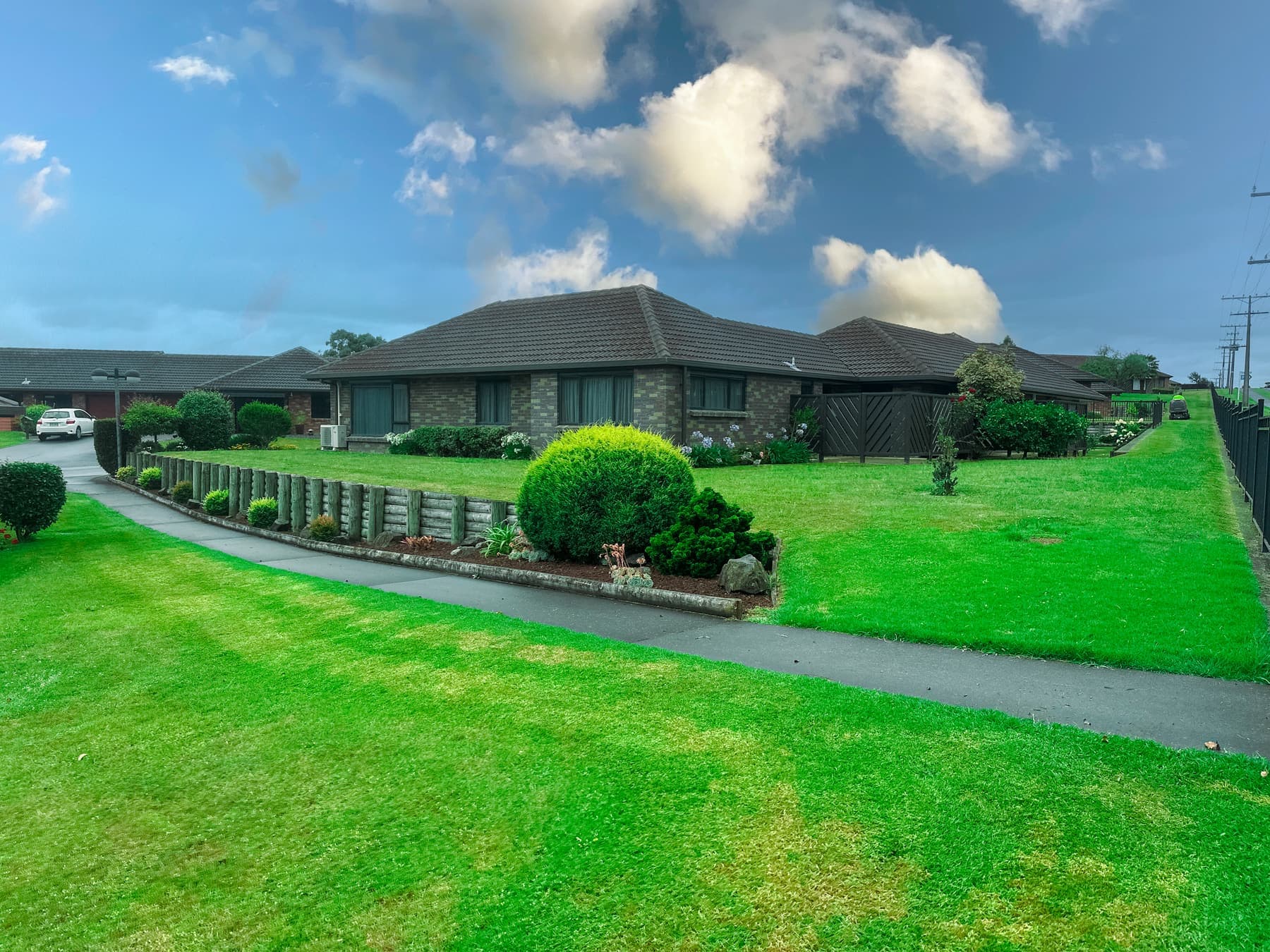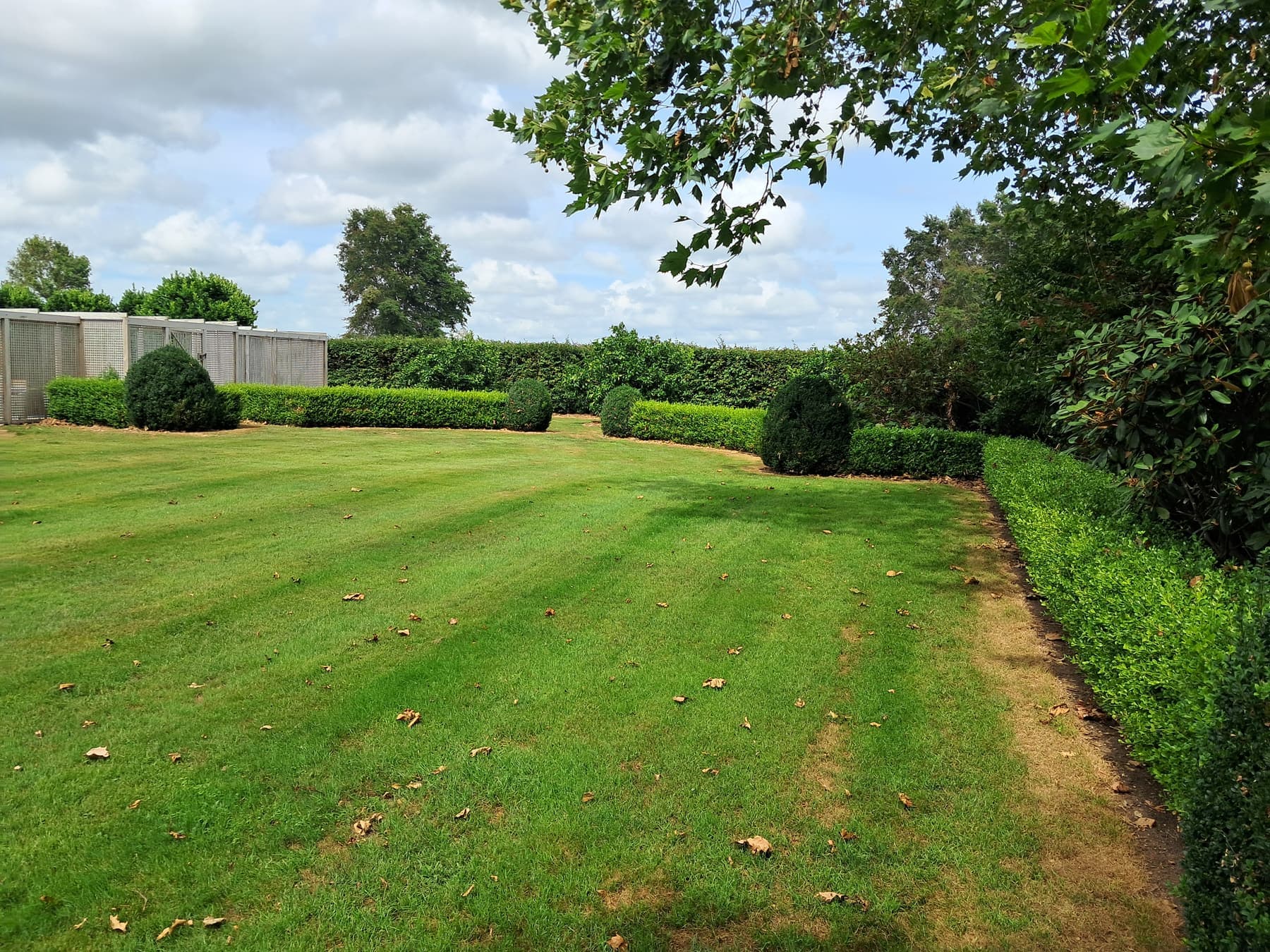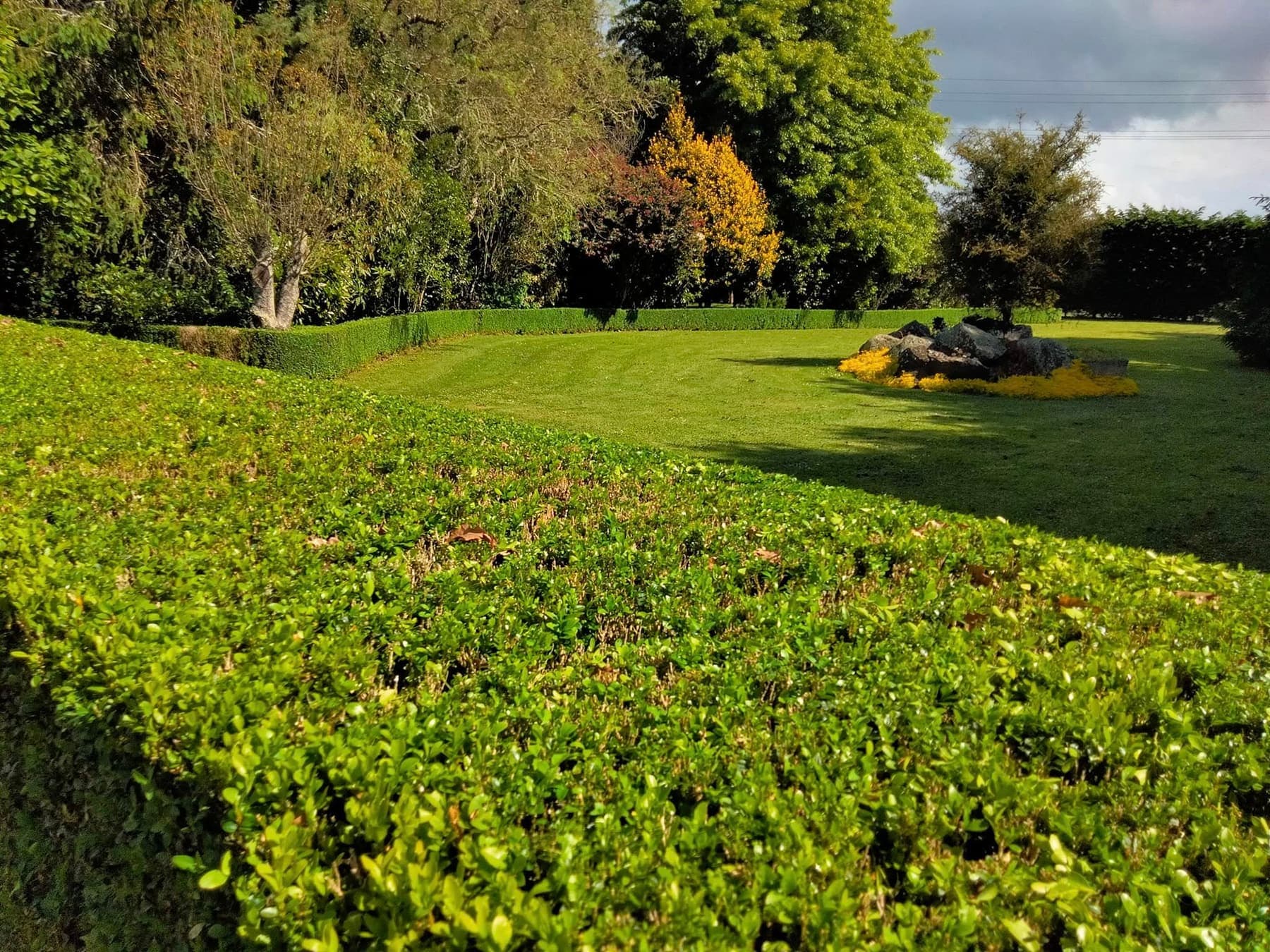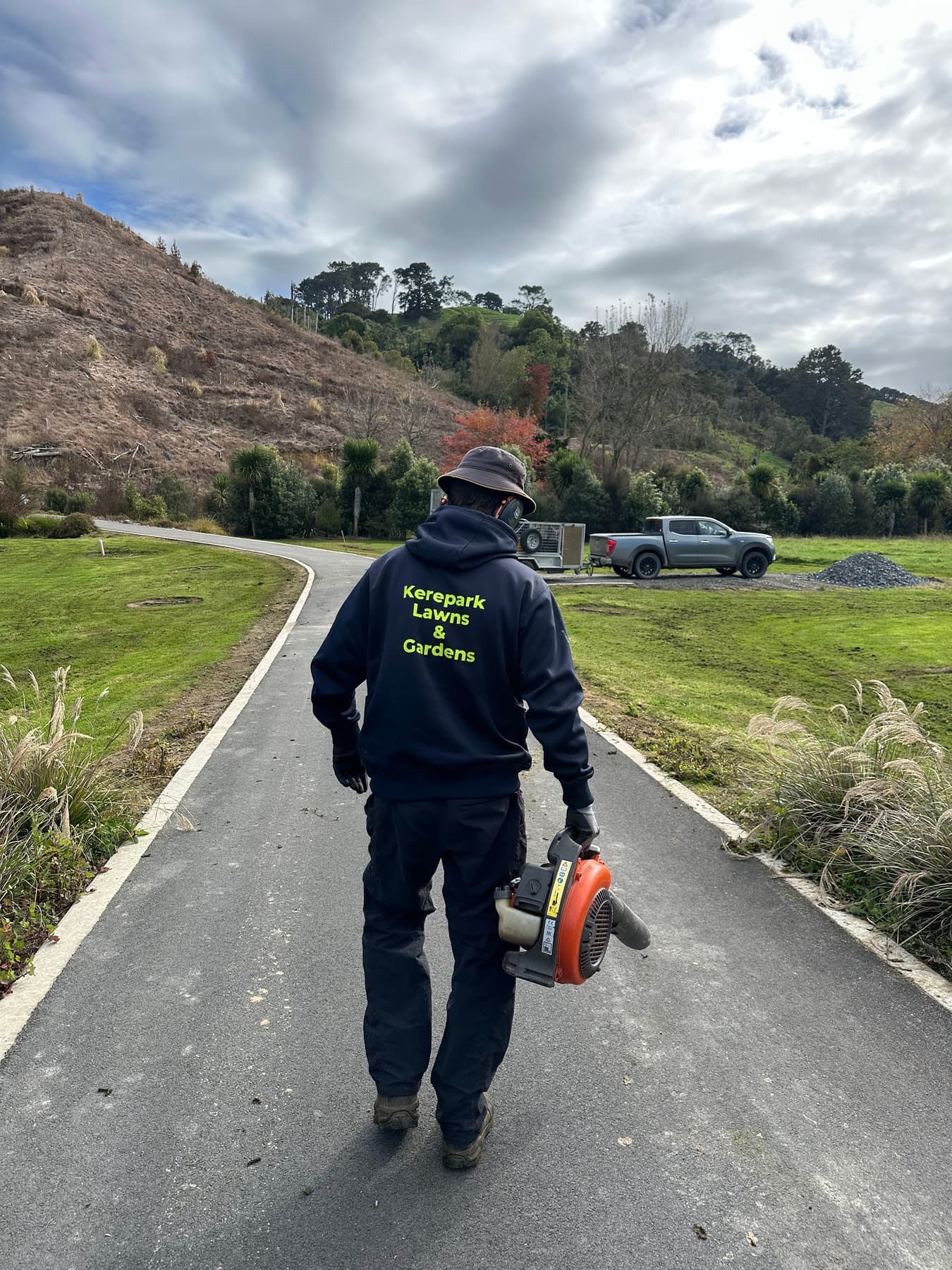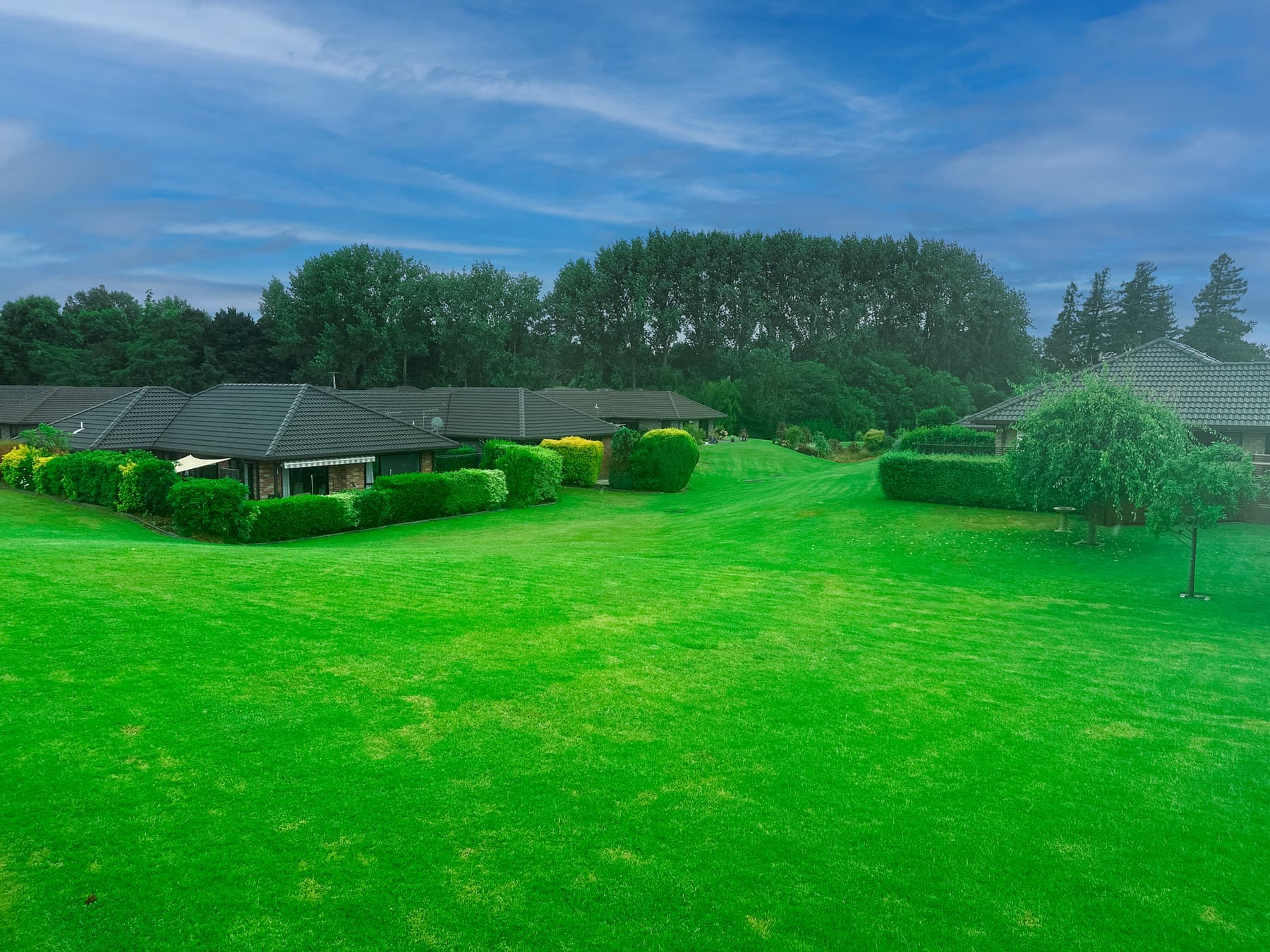
A commercial lawn is noticed long before anyone comments on it. At an office, retail site, school, rural business or managed complex, tidy grounds signal that the property is cared for and operating well. Commercial mowing Waikato services should do more than cut grass – they should keep your site consistently presentable, safe and manageable through every season.
For property and operations managers, mowing is rarely a one-off task. It is part of a broader standard for the grounds: clear accessways, controlled edges, healthy turf, trimmed planting areas and a site that looks considered between maintenance visits. That calls for a planned service, capable equipment and a team that understands how commercial properties work.
What Reliable Commercial Mowing Looks Like
The right mowing programme begins with the property itself. A level corporate lawn beside a car park needs a different approach from sloping grounds around a rural workshop, accommodation complex or lifestyle estate. Grass type, soil conditions, drainage, public access, traffic patterns and seasonal growth all influence the mowing frequency and finish.
Regular attendance is the foundation. During Waikato’s stronger growing months, lawns can quickly move from neat to overgrown if visits are delayed. Cutting too much leaf off at once can also stress turf, leave clippings behind and create a patchy appearance. A sensible schedule maintains an even height, rather than relying on occasional heavy cuts to recover the site.
A professional result includes more than the pass of a mower. Edges around footpaths, kerbs, garden beds and buildings need attention. Clippings should be managed appropriately, especially around entrances, drains, parked vehicles and public areas. The team should leave the grounds orderly, not create extra work for staff after they leave.
For commercial properties, timing matters as much as appearance. Work may need to be planned around customer traffic, staff arrival times, school activity, deliveries or tenant access. Clear communication about the schedule, weather delays and any changing requirements helps prevent mowing from becoming a disruption.
Commercial Mowing Waikato Sites Need Through the Seasons
Waikato lawns do not grow at one predictable rate all year. Warm, wet periods can accelerate growth dramatically, while dry spells slow it down and make turf more vulnerable to scalping. A fixed schedule can be useful, but it should not be treated as inflexible when conditions on site say otherwise.
In spring, mowing often needs to become more frequent as grass responds to warmer temperatures and rain. This is also when uneven growth, compacted patches and weeds become more visible. Early attention can keep lawns from looking neglected as the busy season begins.
Summer requires a more measured approach. Cutting heights may need adjustment to retain moisture and protect the root zone, particularly on exposed sites or lawns with lighter soils. Mowing very short may look sharp for a few days, but it can leave grass stressed, thin and more open to weeds when hot, dry conditions arrive.
Autumn is a useful time to restore order after summer wear. Leaf litter, overgrown edges and encroaching garden beds can make a maintained property look untidy even when the grass itself is being cut. It is also a practical time to identify lawn areas that could benefit from aeration, repair or changes to drainage.
Winter growth is often slower, but commercial grounds still need regular oversight. Wet soil, standing water and soft turf require care to avoid rutting or damage from machinery. At some sites, a lighter-touch visit combined with edging, blowing down hard surfaces and general grounds care is the best outcome.
Mowing Is Part of Your Property’s Presentation
A neat lawn supports the entire landscape. It gives structure to garden beds, makes signage easier to see and improves the first impression at entrances. On a larger site, it also brings visual consistency to spaces that might otherwise feel disconnected – from the front boundary to staff areas, shared accessways and rear service zones.
The practical benefits matter too. Keeping grass at an appropriate height improves visibility around driveways, pathways and site entrances. Maintaining edges prevents turf from creeping across paved surfaces. Managing growth around fences, buildings and planting areas can reduce the places where debris, moisture and pests accumulate.
This is why mowing works best when it is coordinated with wider garden and property maintenance. Hedges may need trimming to keep sightlines open. Trees can drop branches or leaf litter across lawn areas. Garden beds can spill into paths, and neglected weeds can undermine the clean lines created by regular mowing. Managing these elements together avoids the uneven result of treating each task as unrelated.
Kerepark Lawns & Gardens can coordinate mowing with hedge trimming, garden care, tree work and seasonal property maintenance, giving commercial clients one reliable point of contact for their grounds. That is particularly valuable for sites where presentation needs to remain consistent without the property manager having to arrange multiple contractors.
Choosing a Mowing Programme That Fits Your Site
The lowest quote is not always the lowest ongoing cost. Infrequent or rushed mowing can lead to poor turf health, untidy clippings, missed edges and a property that needs extra remedial work later. A well-scoped maintenance programme protects the value of the landscape already in place.
When discussing commercial mowing, start with the outcomes you need. Is the priority a polished customer-facing entrance, safe and clear shared grounds, controlled growth across a large rural site, or all of these? The answer shapes the programme, including visit frequency, areas included, mowing heights and whether gardens, hedges or hard surfaces should be maintained at the same time.
Access should be considered early. Gates, vehicle movements, parking arrangements, steep sections and narrow spaces affect the equipment that can be used safely and efficiently. Larger ride-on equipment can be an excellent choice for broad open areas, while detailed spaces around buildings, garden beds and paths need finishing equipment and careful hand work. The best approach is usually a combination, not one machine used everywhere.
It is also worth setting expectations around wet weather. Mowing saturated ground can compact soil, leave wheel marks and damage the lawn. A contractor who reschedules an unsuitable visit is protecting the condition of your site, provided communication is prompt and the work is completed at the next practical opportunity.
Questions worth asking before you appoint a contractor
Ask how the mowing schedule changes through peak growth and dry periods, how clippings and edges are handled, and who you contact if the site requirements change. Confirm whether the team can manage related work such as hedges, garden beds, leaf clearing and minor tree care. For multi-tenanted or public-facing sites, ask how work is planned to minimise disruption and protect people, vehicles and property.
These details reveal whether you are engaging a provider for a basic cut or a team prepared to take stewardship of the grounds.
A Better Standard for Commercial Grounds
Commercial lawn care should reduce the pressure on your team, not create another task to monitor. With the right schedule and a crew that pays attention to the details, your grounds remain tidy through rapid growth, changing weather and everyday site activity. The result is a property that feels cared for at every visit, not only after a major clean-up.
If your current lawn maintenance is inconsistent, begin with a walk-through of the site. Identify the areas visitors see first, the spaces that create safety or access concerns, and the landscape tasks that repeatedly fall behind. A tailored mowing and property-care plan can then keep those standards in place, season after season.